A healthy school snack gets eaten when it is easy to open, pleasant to nibble, not too messy, and satisfying enough to bridge the gap between breakfast and lunch, or lunch and home time. For most UK families, that means simple foods in sensible portions, with a bit of fibre or protein, a familiar taste, and packaging that can survive the bottom of a school bag.
The best healthy school snacks are not the ones that look perfect on a meal plan. They are the ones children recognise, can manage on their own, and will actually finish in the ten minutes they have left after finding their jumper and queueing for the playground. A crisp apple slice that stays pale, a small pot of yoghurt with a spoon, a cheese and oatcake combo, or a handful of cereal squares in a tub can all do the job far better than an ambitious lunchbox idea that comes home untouched.
What counts as a healthy school snack?
For school days, we think a healthy snack needs to pass four tests.
First, it should be balanced enough to do more than provide a quick burst of sweetness. That does not mean every snack needs to look like a miniature meal. It means choosing foods that bring something useful to the table, such as fruit, veg, dairy, wholegrains, pulses, eggs, or nuts and seeds where school rules allow them.
Second, portion size matters. A snack should take the edge off hunger, not replace lunch. For younger children especially, very large snack portions can leave them too full for the meal that follows. A small banana, a satsuma, a couple of oatcakes with cream cheese, or a mini tub of plain popcorn can be enough.
Third, it has to work in real life. School snacks need to travel well, cope with being packed at 7am, and survive a warm classroom or a crowded tray. If it leaks, crumbles into dust, or needs a knife and fork, it is probably not the best choice for a Tuesday.
Fourth, it needs to suit school. That includes allergy policies, age of the child, whether there is refrigeration, and whether the snack is for morning break, lunchbox sides, or after-school club. A healthy option that is banned because it contains nuts, or that spoils before lunch, is not a practical option at all.
For UK families, it also helps to think in terms of everyday foods rather than “health” branding. A packet with claims on the front can still be high in free sugars, salt, or saturated fat. A plain yoghurt, a boiled egg, or sliced cucumber with hummus may be less flashy, but often fits the brief better.
How to build a snack that keeps children going
When a snack disappears in three bites and hunger returns half an hour later, it usually lacks staying power. The easiest way to improve that is to combine texture and substance.
Fibre helps with that. Foods such as fruit, veg, oats, wholegrain crackers, and pulses tend to take a bit more chewing and feel more substantial than airy, highly refined snacks. Think apple slices instead of apple-flavoured bars, or oatcakes instead of a handful of puffed crisps.
Protein can also make a snack feel more satisfying. We are talking about ordinary foods here, not sports nutrition in miniature. Cheese, yoghurt, eggs, hummus, roasted chickpeas, milk, and seed butters where allowed can all help. If you want more ideas for using protein in normal, unfussy ways, our guide to healthy high-protein snacks that actually fit real life goes into more detail.
Pairing foods is often the sweet spot. A piece of fruit on its own is absolutely fine, but fruit plus something else can carry a child further. Try pear slices with cheddar cubes, a rice cake with cream cheese, or carrot sticks with hummus. The mix of crunch, creaminess, and chew makes the snack feel more complete.
Texture matters more than adults sometimes expect. Children often eat with their senses first. Crisp cucumber, juicy grapes cut appropriately for age, dry cereal with a good crunch, or a softly chewy flapjack square can be more appealing than foods that turn soggy by break time. That does not mean every crunchy food is automatically a better choice, but it does explain why texture can make or break a lunchbox.
Routine helps too. If a child knows what to expect, they are more likely to eat it. Rotating five or six dependable snacks is often more successful than constantly introducing “better” alternatives. Familiarity wins on busy school mornings.
Easy healthy school snack ideas for real lunchboxes
The strongest lunchbox snacks are usually the least dramatic. They use common ingredients, need little prep, and still taste good a few hours later.
Here are practical ideas that travel well.
Fruit and dairy pairings:
- Apple slices with a squeeze of lemon to slow browning, plus a small portion of cheddar
- Satsuma with a mini pot of plain or lightly sweetened yoghurt
- Banana with a small handful of wholegrain cereal in a tub
- Grapes, sliced lengthways for younger children, with a cheese string
Crunchy veg and dip:
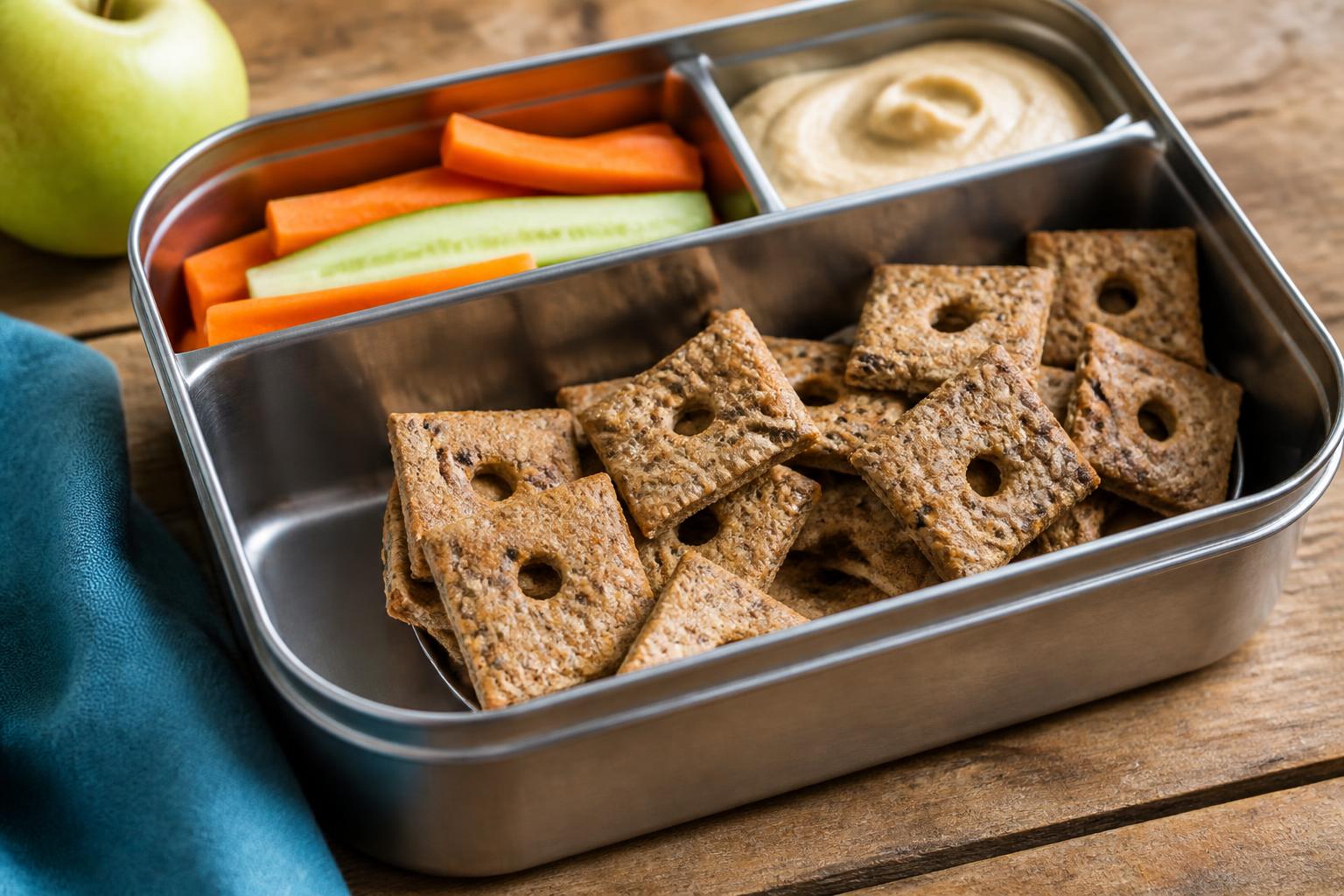
- Cucumber batons, pepper strips, and carrot sticks with hummus
- Sugar snap peas with a small pot of soft cheese
- Cherry tomatoes, if age-appropriate, with mozzarella pearls packed cold
Crackers, oatcakes, and crisp breads:
- Oatcakes with cream cheese
- Wholegrain crackers with cheddar
- Crispbreads with seed spread, if the school allows seeds and the topping travels well
- Mini sandwiches cut into fingers, using wholemeal bread and simple fillings
Protein-forward but still child-friendly options:
- A boiled egg, peeled in advance for younger children
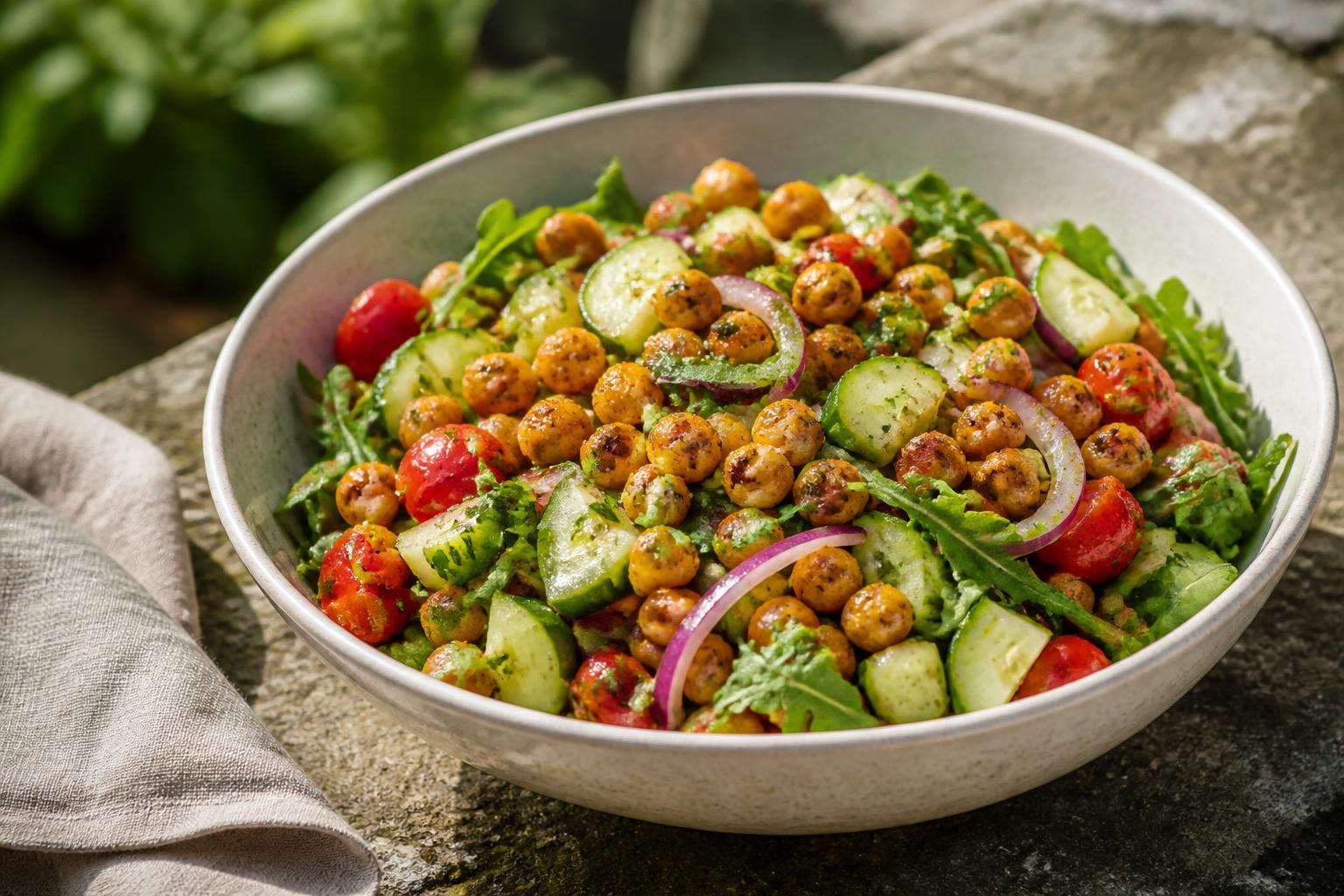
- Roasted chickpeas in a small tub
- Edamame beans, chilled and packed in a leakproof pot
- Cubes of roast chicken for older children if kept properly cold
Simple homemade bakes:
- Oat-based flapjack made with modest sweetness and cut into small squares
- Mini egg muffins with grated veg
- Savoury muffin bites with cheese and sweetcorn
- Banana and oat bites with no sticky icing or crumbly topping
Shop-bought options that can work:
- Plain popcorn in a sensible portion
- Unsweetened or lower sugar yoghurt pouches, if the school allows them
- Wholegrain cereal biscuits, checking sugar and portion size
- Rice cakes or corn cakes with straightforward ingredients
For children who like savoury snacks more than sweet ones, it helps to think beyond fruit. Our piece on healthy savoury snacks that keep everyday choices simple is full of ideas that translate well to lunchboxes.
A few combinations are especially reliable because they hit that useful mix of crunch, softness, and substance:
- Cheese cubes, cucumber rounds, and wholegrain crackers
- Apple slices, oatcakes, and a small pot of yoghurt
- Roasted chickpeas, pepper strips, and a mini naan or pitta
- Plain popcorn, raisins in a small amount, and a cheese portion
If you are packing crisps or crisp-style snacks occasionally, be choosy about format. Vegetable crisps, lentil puffs, and baked snacks can sound virtuous, but the label still matters. We break that down in our guide to whether vegetable crisps are a healthy swap for potato crisps.
What to watch for on labels and in portions
Front-of-pack language can be distracting. “Natural”, “baked”, “source of fibre”, and “no added sugar” do not automatically make a snack a strong everyday choice. Turn the pack over and look at what is actually in it.
Sugar is one of the first things to check. In the UK, labels show total sugars, not always free sugars on the pack itself, so context matters. A plain yoghurt contains naturally occurring milk sugars, while a yoghurt dessert with syrup, fruit purée concentrate, or sugar high on the ingredients list is a different proposition. Dried fruit can be useful, but it is sticky and concentrated, so it is best kept to small portions and ideally eaten at mealtimes for dental reasons rather than constantly grazed.
Salt is worth watching in savoury snacks, crackers, and crisp-style products. Foods marketed at children are not automatically low in salt. Compare similar products rather than assuming the cartoon on the packet means anything nutritionally.
Saturated fat matters most in pastries, chocolate-coated bars, some biscuits, and certain fried snacks. Again, this is not about banning foods forever. It is about noticing whether a lunchbox snack is an everyday option or more of an occasional one.
Ingredients lists can also tell you how far a snack has travelled from its original food. Ultra-processed formats vary hugely, and the label alone does not tell the whole story, but a long list of flavourings, extracts, syrups, and additives can be a sign to pause and compare with a simpler option. A pot of yoghurt with oats and berries is different from a confectionery-style yoghurt-coated bar, even if both sit in the “snacks” aisle.
Portion size is where many healthy intentions wobble. A family bag decanted into a lunchbox is still a family bag in disguise. It helps to portion into small tubs or buy formats that naturally create a stopping point. One mini wrap, two oatcakes, a small fruit portion, or a child-sized yoghurt is easier to judge than a large open packet.
Safety matters too. Whole nuts are not suitable for young children because of choking risk, regardless of nutritional value. Grapes should be cut lengthways for younger children. Cherry tomatoes and similar round foods may also need cutting depending on age and the school’s guidance. Hard chunks of raw veg need to match the child’s chewing ability. A healthy snack still has to be safe in a busy classroom.
How school rules and allergies change the best choice
The “best” snack on paper can be the wrong one once school rules enter the picture. Many UK schools are nut-free or nut-aware because of severe allergies. That usually rules out peanuts, tree nuts, and often products labelled “may contain nuts” only in specific cases set by the school. Always follow the school’s own written policy rather than guessing.
Seed products can also be restricted in some settings, though less commonly. Sesame is a recognised allergen, and tahini-based dips may not suit every classroom. If there is any doubt, check before packing.
Allergen awareness goes beyond the obvious. Homemade bakes sent into nursery or reception may not be allowed at all. Shared snack tables often have stricter rules than individual lunchboxes. In the UK, Natasha’s Law applies to prepacked for direct sale foods sold by businesses, not to what parents pack at home, but it has rightly made many schools and families more alert to clear ingredient awareness.
Storage is another practical limit. If the school has no fridge access, perishable foods need an insulated lunch bag and an ice pack if they are meant to stay cold until lunch. Cheese, yoghurt, cooked chicken, and egg-based snacks can still work, but they need proper packing and common sense. For a short mid-morning break, a simpler ambient snack may be easier.
Mess matters more than it should, but it does matter. Powdery coatings, crumb storms, sticky bars, and drippy pots are less likely to be eaten calmly in uniform. Teachers notice, children notice, and some children will avoid a snack if it feels awkward to manage. Dry, tidy, easy-to-hold formats often win.
Perishability matters too. Sliced apple can go brown, bananas can bruise, and crisp crackers can soften if packed next to damp fruit. A divided lunchbox helps. So does packing dips separately and keeping crunchy elements away from moisture until the last moment. If you are trying to build better snack habits across the day, not just at school, our tips on healthy habits that actually fit a busy UK day can help keep the whole routine manageable.
The shape of the school day changes the right choice as well. A snack for a 10.30am break is different from one eaten on the walk to football club at 4pm. Morning break snacks are usually best kept light, quick, and easy to finish. After-school snacks can be a little more substantial, especially if dinner is still a way off.
Finally, the child matters most. Some children eat best from small, separate bits. Others prefer one neat item they can hold in one hand. Some want crunch every time. Others like soft, familiar foods. Healthy school snacks work when they fit the child, the timetable, and the rules, not when they chase perfection.
A good school snack is modest, practical, and pleasing to eat. That is enough. If it survives the lunchbox, suits the classroom, and comes home as an empty tub rather than a full one, it is doing exactly what it should.

Questions about this article or a correction to suggest? Get in touch. Read more about our editorial approach.