If you want healthy high-protein snacks that work in ordinary British life, the answer is rarely a single miracle bar or a giant tub with “protein” splashed across the lid. The best options are the ones that give you a decent amount of protein for the portion, while still making sense for sugar, salt, fibre and how much you are actually going to eat.
That matters because a snack lives or dies on practicality. It has to survive a work bag, fit a commute, feel satisfying at 4pm, or quietly sort out the gap between dinner and bedtime without turning into a second meal. Protein can help a snack feel more substantial, but it is only one part of the picture.
What makes a snack both healthy and high in protein?
A snack can reasonably be called high in protein when protein is a noticeable feature of the portion, not just a tiny bonus. In real shopping terms, that usually means looking for products where protein is doing some actual work in the snack, rather than appearing as a marketing flourish because a handful of seeds or a dusting of milk powder has been added.
There is no single perfect threshold, because snacks come in very different formats. A 25g pack of roasted broad beans, a 150g pot of skyr, and a two-egg snack pot do not weigh the same, store the same way, or play the same role in the day. Looking only at “protein per 100g” can make watery foods look weaker than they are in practice, while looking only at “protein per portion” can hide the fact that the portion is unusually large.
So we judge both.
In everyday use, we look for a snack that gives a worthwhile amount of protein in the portion you are likely to eat, without dragging in too much else that works against it. That “too much else” depends on the product:
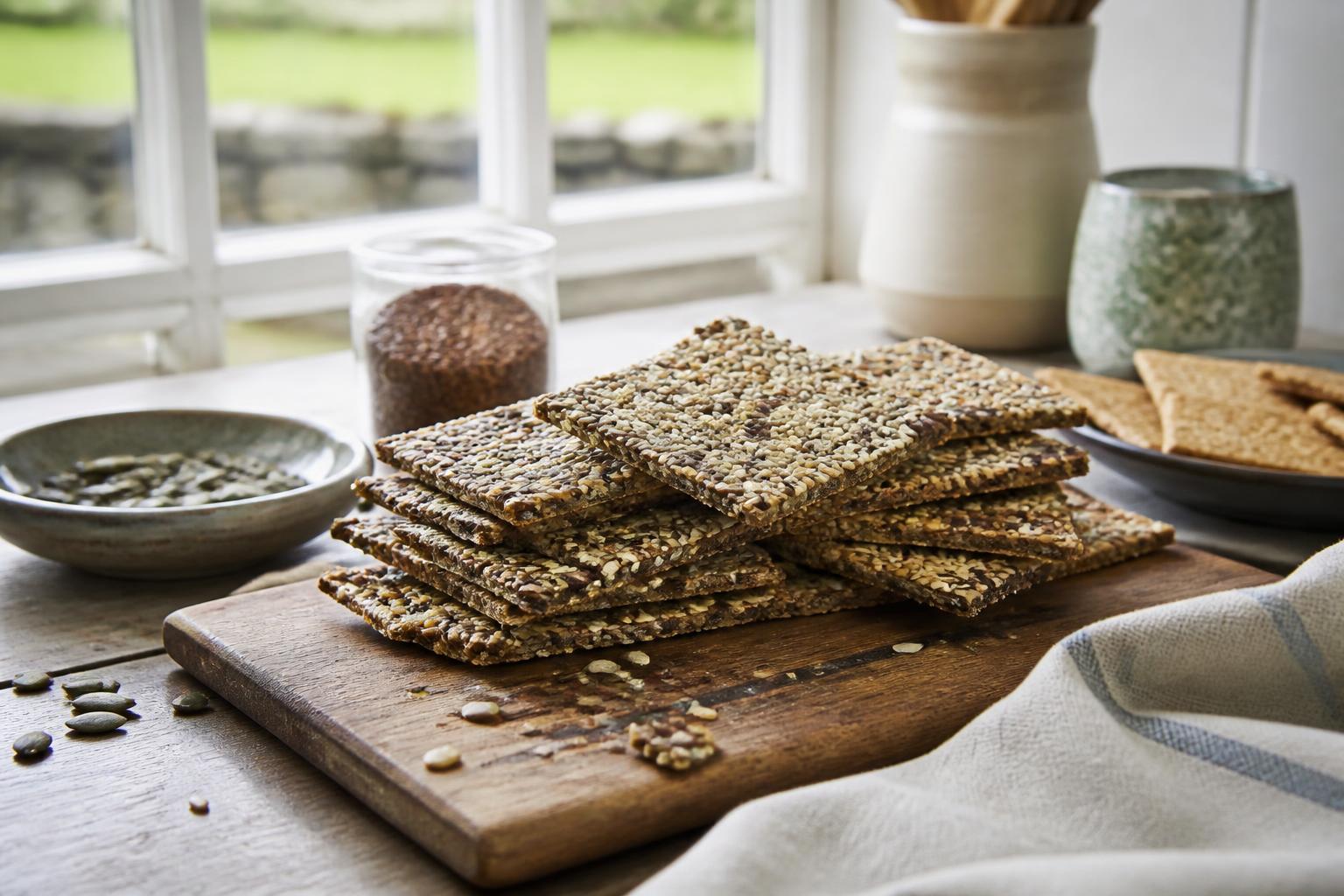
- Fibre matters because it often helps a snack feel more rounded and filling, especially in crunchy formats like pulses, wholegrain crackers, or nut and seed mixes.
- Salt matters most in savoury snacks. Some high-protein crisps, jerky-style products, cheese bites and roasted pulse snacks can climb quickly.
- Sugar matters most in flavoured yoghurts, puddings, bars and coated snacks. A product can be protein-rich and still be closer to a dessert than a practical everyday snack.
- Portion size matters because a snack that only looks balanced at 60g or 80g may not be a snack for everyone. Equally, a very small portion can make a respectable nutrition panel look less useful once hunger turns up.
This is where “healthy” stays broader than “high in protein”. We are not just asking whether a food contains protein. We are asking whether the whole packet or pot makes sense as a regular between-meal choice.
Why people choose protein between meals
Most adults are not hunting for protein snacks because they think every break in the day needs a bodybuilder angle. They are usually trying to solve something more ordinary.
The first reason is fullness. A snack with some protein often feels more substantial than one built mostly from refined starch or sugar. That does not mean protein is magic, and it does not mean every person reacts the same way, but in practical terms many people find that a yoghurt, boiled eggs, edamame, or roasted chickpeas carry them further than a few plain crackers.
The second reason is convenience. Plenty of classic high-protein foods are meal foods, not snack foods. Chicken, lentils, fish and tofu are all useful, but not many people are eating them one-handed on a train platform. Snack brands know this, which is why there are now so many pouches, bars, baked crisps, cheese portions and chilled pots aimed at the gap between lunch and dinner.
The third reason is routine. Some people always want something mid-morning. Others need a 4pm bridge so they do not arrive at dinner ravenous. Some want an evening snack that feels steadier than biscuits. Protein becomes part of that routine because it can make the snack feel more deliberate and less flimsy.
There is also a texture reason, which gets overlooked. Crunchy snacks built from peas, lentils, chickpeas, broad beans or seeds can scratch the same itch as crisps while bringing a different nutritional profile. They will not always be lighter, and they are not automatically healthier just because they come from pulses, but they can be a useful swap when what you really want is crackle, crunch and something savoury.
If you want more format ideas beyond protein specifically, our guide to healthy snack ideas for adults on real days looks at how different snacks fit actual routines.
How to judge a high-protein snack on the label
In the UK, the quickest way to judge a snack is to use both the nutrition table and the ingredients list. Front-of-pack claims are only the trailer.
Start with the nutrition table. On UK packaging, you will usually see values per 100g or 100ml and often per portion too. For snacks, check:
- Protein per portion
- Protein per 100g
- Fibre
- Sugars
- Salt
- Calories for the actual amount you expect to eat
Why both per 100g and per portion? Because each catches a different trick.
Per 100g lets you compare products fairly across brands. Per portion tells you what you are really getting from the pack in your hand. A yoghurt pot may look modest per 100g but still provide a solid amount of protein because the pot is large enough. A bag of “protein crisps” may look impressive per 100g, but the actual bag may not deliver much more protein than a standard snack once you account for the portion.
Then read the ingredients list. In the UK, ingredients are listed in descending order by weight. If the first few ingredients are milk, strained yoghurt, soybeans, chickpeas, peas, nuts, seeds or egg, that usually tells a clearer story than a huge “HIGH PROTEIN” flash on the front.
Also watch for what has been added to create the protein claim. There is nothing automatically wrong with milk protein, soy protein or pea protein isolates, but they can change the nature of the product. A bar or puffed snack made largely from isolates is still a food, but it may be far more engineered than it first appears. That is where people start talking about ultra-processed foods.
We prefer not to turn “ultra-processed” into a panic button. It is a description, not a verdict. Some processed protein snacks are handy and perfectly workable. The useful question is whether the product still makes sense once you look past the gym-style branding. Is it mostly protein isolate, sweeteners and flavourings, or is it recognisably built from foods you would expect?
For salt, savoury products deserve extra scrutiny. Roasted pulses, meat snacks, cheese crisps and protein crisps can all be surprisingly punchy. For sweeteners, check bars, puddings and flavoured dairy pots. In the UK, you may see sweeteners such as sucralose, acesulfame K, steviol glycosides or polyols. Some people are perfectly happy with them. Others dislike the aftertaste or find large amounts less comfortable. The label will not tell you how you personally will feel, but it will tell you whether sweetness has been dialled up without sugar.
One more UK-specific point. Front-of-pack traffic light labels are common here, though not universal. They can be useful for a quick check on fat, saturates, sugars and salt, but they do not tell you much about protein quality or whether the portion is realistic. Use them as a shortcut, not a final answer.
Everyday healthy high-protein snack ideas that are easy to find
The easiest way to build a list of realistic options is by format. Different snacks suit different parts of the day.
Crunchy options
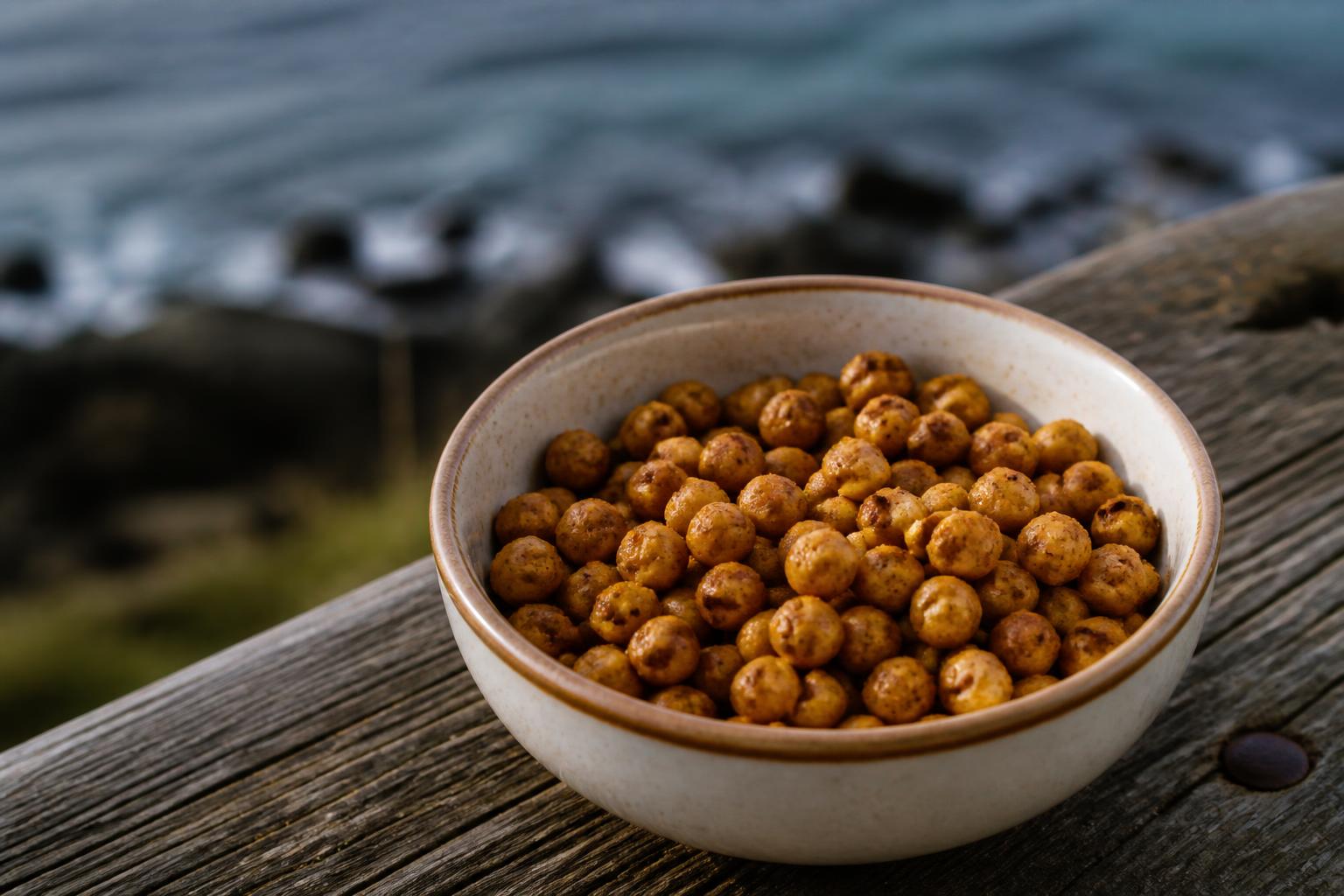
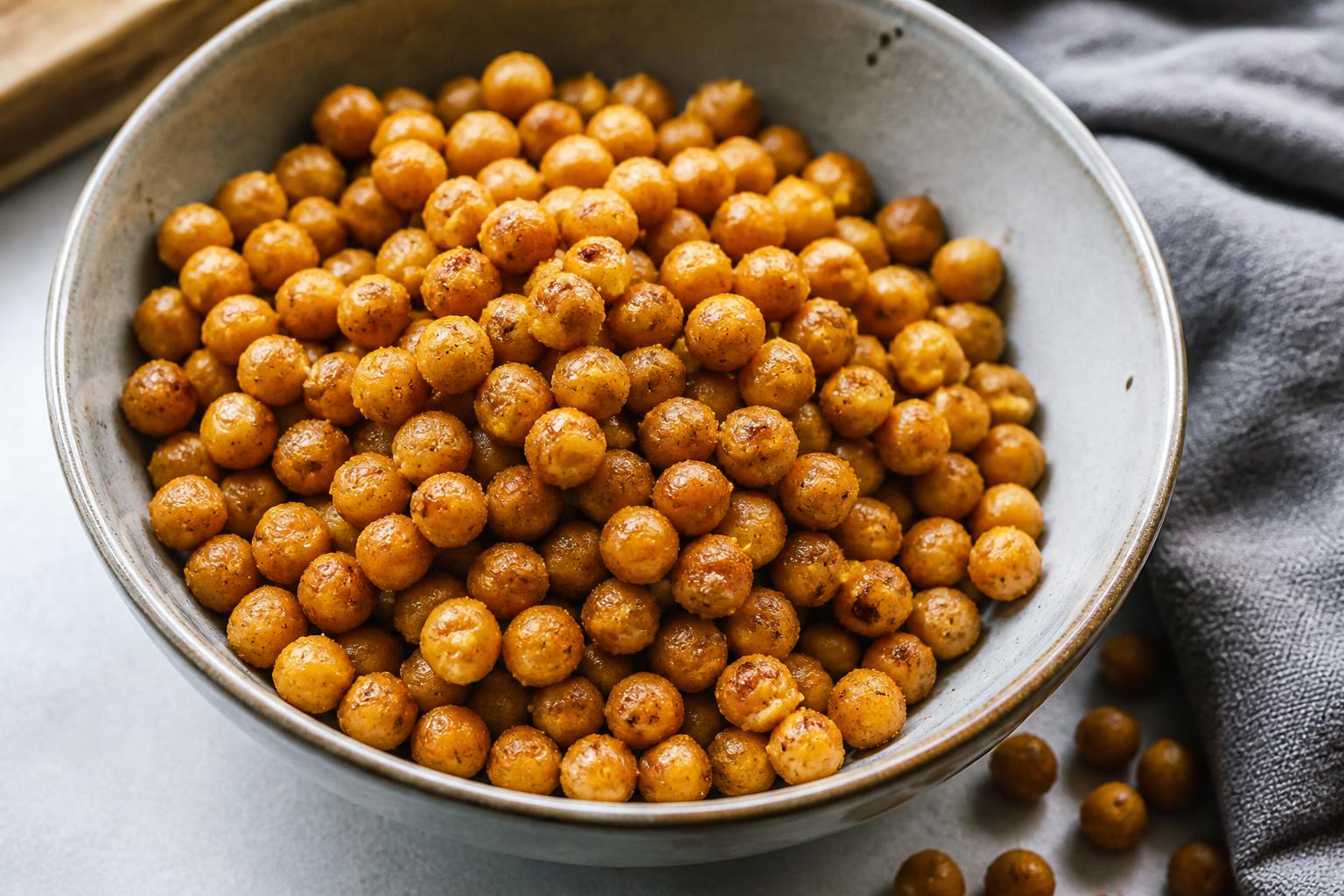
Roasted chickpeas, broad beans and edamame are among the most useful cupboard and bag-friendly choices. They are crunchy, savoury, and usually offer both protein and fibre. They suit desks, car journeys, and those afternoons when only something crisp will do. The main watch-out is salt, plus the fact that they are easy to keep eating absent-mindedly.
Nuts and seed mixes can also work well. They bring protein, though often less than people assume, and they can feel satisfying because they are rich and textured. The catch is portion size. A “healthy” nut mix can become a very large snack very quickly if eaten straight from the bag. Pre-portioned packs are often more realistic than family bags.
Cheese crisps or baked cheese bites are handy for low-fuss savoury snacking and travel well, but they can be high in salt and saturated fat. They are best treated as one option in the mix, not the automatic winner because they shout about protein.
Protein crisps made from peas, lentils or added protein blends can be useful when you want a familiar crisp format. Some are genuinely decent. Others are all branding and very little substance. Compare them with ordinary pulse snacks rather than assuming the word “protein” means better.
If your main need is something shelf-stable and crunchy for work, our round-up of crunchy work snacks that cope without a fridge is a good place to start.
Chilled options
Greek-style yoghurt, skyr and quark are the obvious chilled staples. Plain versions usually give you the most flexibility, because you can add fruit, cinnamon, or a spoonful of seeds without piling on a lot of sugar from the base product itself. Flavoured versions can still be useful, especially for convenience, but compare labels because sweetness varies a lot.
Cottage cheese divides opinion on texture, but it is practical, mild and easy to pair with cherry tomatoes, cucumber or crispbreads. It works especially well as an evening snack when you want something cool and savoury rather than another sweet pot.
Boiled eggs are one of the simplest ready-to-eat protein snacks around. They travel reasonably well for a few hours in a lunch bag, suit a quick breakfast add-on, and have a built-in portion. Pairing them with veg sticks or a piece of fruit often makes them feel more complete.
Edamame pots, if you can find them chilled or frozen to prep at home, are another strong option. They bring protein, fibre and a fresh, green bite that feels very different from bars and baked snacks.
Cupboard and hybrid options
Nut butter sachets can be useful for travel or desk drawers, especially with an apple, oatcakes or rice cakes. On their own, they are more of an ingredient than a snack, but paired properly they become practical.
Tinned fish snack formats, where available, can work well for people who want a more savoury, meal-like option. They are not for every office, and they are not subtle, but at home or on a solo lunch break they can be excellent.
Protein bars sit in the hybrid category. Some are convenient and genuinely useful, especially when you need something that can live in a bag for days. But many are closer to confectionery in texture and sweetness, with a protein claim attached. They can still have a place, just not always the place the packaging suggests.
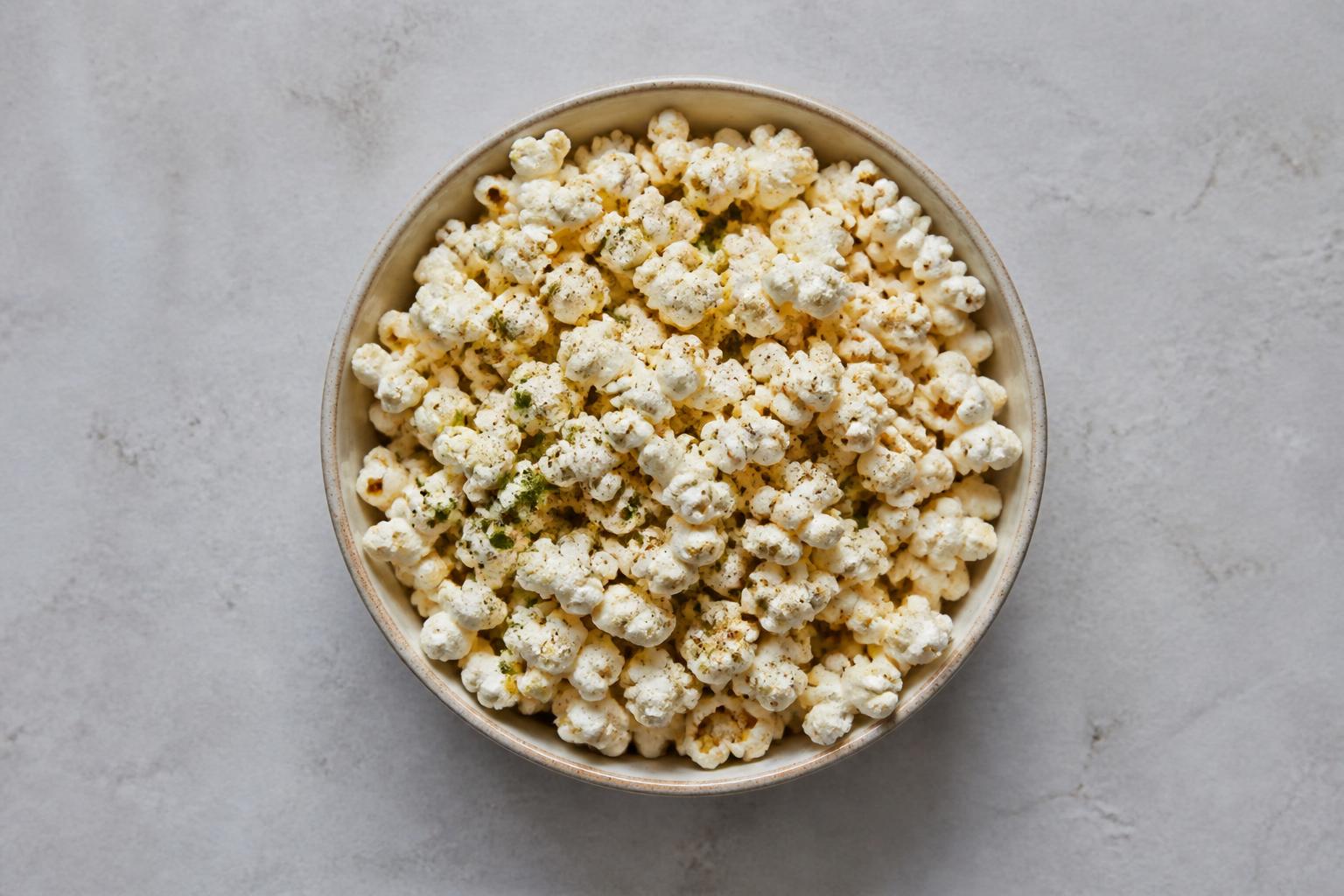
Popcorn is not usually a high-protein snack on its own, but it can be part of the picture if you pair it with roasted seeds, a cheese portion or yoghurt. If crunch is your priority, our piece on popcorn flavour ideas that suit how you snack explores ways to make it more satisfying.
Common mistakes when choosing protein snacks
The first mistake is trusting the front of the pack too much. “High protein”, “protein packed”, “fit”, “fuel”, “natural”, “guilt free”, all of these can create a halo that makes shoppers stop asking basic questions. How much protein is there really? How big is the portion? What else comes with it?
The second mistake is comparing unlike with unlike. A 160g pot of skyr and a 35g protein bar are not doing the same job. A pack of nuts and a flavoured yoghurt may land in the same snack basket, but they differ hugely in energy density, texture, sugar, fibre and storage needs. The better comparison is often within the same format. Compare yoghurts with yoghurts, bars with bars, pulse snacks with pulse snacks.
The third mistake is overlooking portion size. Nuts, trail mixes, savoury crackers and roasted pulses can all look sensible on paper, then become much less so when the bag is polished off while answering emails. On the other side, some bars and mini pots are so small that they barely touch appetite, which can send you straight into a second snack.
The fourth mistake is assuming “healthy” and “ultra-processed” are opposites with no overlap. Some minimally processed foods are brilliant snacks. Some heavily processed foods are still practical, balanced enough and useful in context. The label matters more than the vibe.
The fifth mistake is forgetting salt. It is easy to fixate on sugar in sweet snacks and miss the fact that savoury protein products can be heavily seasoned. Jerky, cheese snacks, roasted beans and protein crisps can all stack up if they become a daily habit.
How to pick the right option for your routine
The right snack depends less on abstract ranking and more on what your day actually looks like.
If you want something for a work bag or commute, prioritise shelf stability, tidy eating and a portion that does not require cutlery. Roasted pulses, nuts in measured packs, or a bar you genuinely enjoy may be more realistic than a yoghurt you have to keep cold and eat standing up.
If you want something to bridge a long afternoon, a snack with both protein and fibre often feels steadier than one relying on sweetness alone. That could mean a pot of skyr with berries, roasted edamame, or cottage cheese with crisp veg.
If evenings are the danger zone, think about what kind of hunger it is. If you want volume and crunch, a tiny dense snack may not satisfy. A larger chilled option, or a crunchy snack paired with fruit, may fit better.
If budget matters, plain staples usually beat branded protein products. Eggs, natural yoghurt, cottage cheese, peanuts, seeds and chickpeas often stretch further than specialist bars and “performance” crisps.
If you follow a vegetarian or vegan diet, pulses, soy foods, nuts and seeds will do much of the heavy lifting. If you eat dairy, strained yoghurts and cottage cheese add more options. If you need gluten-free choices, check savoury snacks and bars carefully, because formats that look simple can still contain wheat-based flavourings or binders.
And if your appetite varies from day to day, let it. There is no prize for choosing the same snack every afternoon because the label says it is optimal. Sometimes the right move is a small crunchy nibble. Sometimes it is a more substantial pot or plate. Individual needs differ, and routine, medication, activity, age and personal digestion can all affect what feels right.
That is really the point with healthy high-protein snacks. The best ones are not the loudest, the leanest-sounding or the most aggressively branded. They are the snacks that fit your day, satisfy the reason you wanted a snack in the first place, and still look sensible once you turn the packet over.

Questions about this article or a correction to suggest? Get in touch. Read more about our editorial approach.