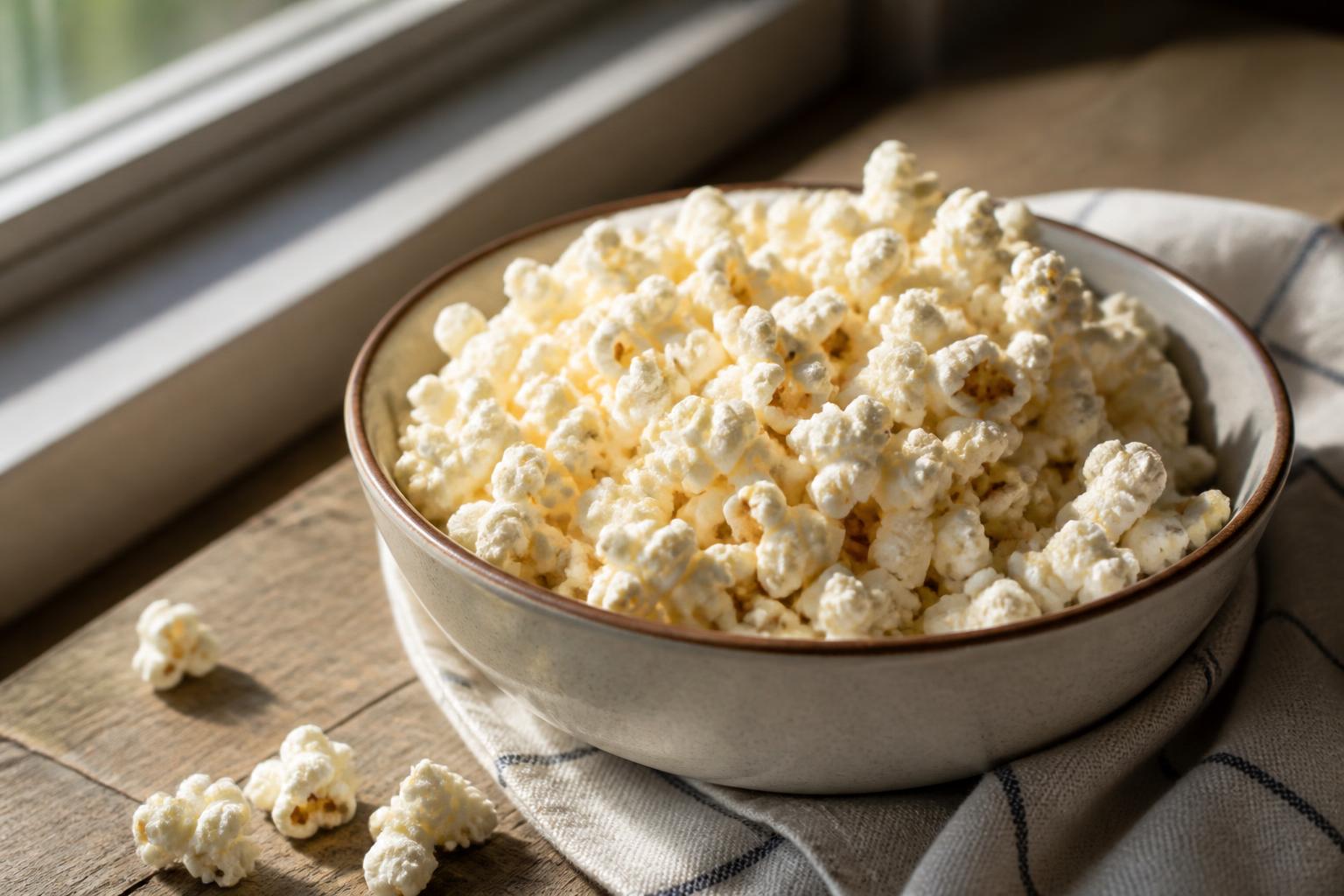
If you are asking whether popcorn can help with weight loss, the short answer is yes, it can. Plain popcorn is one of those snacks that can feel generous in the bowl without bringing the same calorie load as many crisps, biscuits or chocolate-based nibbles. That makes it a genuinely useful option when you want something crunchy, salty and satisfying.
The important bit is the word plain. Popcorn has a very healthy halo in some settings and a very indulgent one in others. A lightly seasoned air-popped bowl at home is a different creature from a buttery cinema tub or a sweet coated bag from the corner shop. So, is popcorn a good snack for weight loss? It often can be, provided you pay attention to how it is made, what is added, and how much you actually eat.
What makes popcorn useful for weight loss?
Popcorn starts with a whole grain, and that matters. Whole grains contain the bran, germ and endosperm, which means they keep more of their natural structure than heavily refined snack foods. In practical terms, that often helps a snack feel a bit more substantial.
One of popcorn’s biggest strengths is volume. A relatively small amount of kernels turns into a large bowl of popped corn, full of air and crunch. That gives you what nutrition professionals often call low energy density. You get a food that takes up plenty of space for fewer calories than dense snacks such as nuts, flapjacks, pastries or fried crisps. If you like to feel as though you have had a proper snack, not just three polite bites, that can be very helpful.
Fibre is another part of the picture. Popcorn contains fibre, and fibre can help with fullness. It slows things down a bit, gives the snack more staying power, and can stop that familiar pattern where a tiny snack disappears in seconds and leaves you rummaging in the cupboard ten minutes later. If digestive comfort is part of your wider food routine, you may also like our piece on how popcorn can help things move along.
Texture matters too. Crunchy foods tend to take longer to eat than soft, melt-away snacks. Popcorn is noisy, nibbley and a little bit effortful in a good way. That can create a natural pause between handfuls. You notice what you are eating. You get the sensory satisfaction of salt, crunch and aroma, without needing a huge calorie hit to make the snack feel worthwhile.
There is also a practical advantage. Popcorn is easy to make at home with very little added fat. If you air-pop it, or pop it in a pan with a modest amount of oil and a light hand with seasonings, you stay much closer to the simple wholegrain version that makes popcorn useful in the first place.
So when people ask us whether popcorn is a good snack for weight loss, our answer is usually this: it can be, because it offers bulk, crunch and fibre for relatively few calories, as long as you do not dress it up into a dessert or a buttery event.
When does popcorn stop being a light snack?
Popcorn stops being a light snack when the extras begin to outweigh the popcorn itself. This happens more easily than many people realise.
Oil is the first thing to watch. A little oil can improve flavour and help seasoning stick, but generous pouring changes the maths quickly. Butter does the same, especially when it is melted over a large bowl and not measured. The popcorn still looks light and fluffy, but the calorie content rises quietly in the background.
Sweet popcorn can be even trickier. Sugar coatings, caramel, toffee, chocolate drizzle and yoghurt-style coatings all push popcorn away from simple wholegrain territory and into confectionery territory. That does not mean you can never have them. It just means they are better thought of as treats than as everyday weight loss snacks.
Even savoury versions can become surprisingly rich. Cheese powders, loaded flavour sachets and heavily seasoned ready-to-eat packs may bring extra salt, fat and energy. The words on the front of the pack are not always much help. “Lightly salted”, “sea salt”, “hand popped”, “natural” and “skinny” can sound reassuring, but the nutrition panel is where the real story sits.
Portion size is the other big turning point. Popcorn is airy, so people often assume it barely counts. Then a family bag becomes a solo desk snack, or a giant cinema tub becomes part of the film rather than something consciously chosen. That is where a snack that could have been sensible turns into several servings eaten without much notice. If you are curious how quickly popcorn portions can become oversized outside the home, our guide to cinema popcorn in the UK also shows how the format itself encourages bigger buys.
There is also the nibbling effect. A biscuit comes in units. A chocolate bar has an end point. Popcorn in a big bowl can feel endless. Because each piece is small and light, it is easy to keep grazing while scrolling, watching television or working. The issue is not that popcorn is secretly bad. It is that distracted eating can make almost any snack far less useful for appetite control.
How much popcorn is a sensible portion?
A sensible portion is one that feels satisfying without becoming a bottomless prop. For most adults, that usually means serving popcorn into a bowl rather than eating from a large bag, multipack or mixing bowl.
At home, a small to medium cereal bowl of plain or lightly seasoned popcorn is often a practical place to start. That tends to look generous enough to scratch the crunchy-snack itch while still keeping the portion visible. If you pop your own, measure the kernels before cooking rather than guessing after the bowl is full. It is much easier to stay realistic at the kernel stage.
Packaging can be misleading. Single-serve bags are not always especially small, and sharing bags are not always treated as sharing bags. Always check whether the nutrition information is given per 100g, per serving, or per bag. In the UK, food labels commonly show values per 100g and often per portion as well, but the declared portion may not match what you will actually eat. One bag can contain more than one serving even when it looks like a straightforward snack.
Bowl size matters more than people think. A very large bowl makes a moderate portion look meagre, so you top it up. A smaller bowl makes the same amount look abundant. This is not about tricking yourself. It is about setting up a portion that is easy to enjoy and easy to finish.
If mindless grazing is your weak spot, pre-portioning helps. Put one serving in a container or bowl, put the rest away, and sit down with it deliberately. The same principle works well for packed lunches and office snacks. If you are trying to improve your everyday food rhythm more broadly, our article on building a healthy lunch box that still feels like a treat uses the same practical logic.
A sensible portion also depends on what else is happening around it. If popcorn is a bridge between lunch and dinner, you may want a more filling snack than if it is simply a crunchy extra with a cup of tea. Which brings us neatly to pairings.
Is microwave popcorn as good as air-popped?
Microwave popcorn can be fine, but it is not automatically the same as air-popped. The format alone does not tell you whether it is a good choice. The ingredients list and nutrition label do.
Air-popped popcorn is usually the simplest option. If you are popping plain kernels with hot air, there is no need for added oil during cooking. That generally keeps calories lower and makes it easier to control what goes on afterwards. You can then add a pinch of salt, smoked paprika, nutritional yeast, cinnamon, or other seasonings in amounts that suit you.
Microwave popcorn varies widely. Some bags are fairly straightforward. Others contain more oil, butter flavouring, sugar or salt than you might expect. “Sweet”, “salted” and “butter” are obvious clues, but even products marketed as lighter options can differ a lot from one brand to another. That is why the front-of-pack message is less useful than the actual numbers.
Ready-popped bagged popcorn sits somewhere in the middle. It is convenient, often portionable, and can be a perfectly reasonable option if you choose carefully. But again, there is no single rule. Some are lightly seasoned and relatively modest. Others are heavily coated and closer to a treat snack.
Rather than asking which format wins in all cases, we prefer to ask four label questions:
First, how much is the serving you are likely to eat?
Second, how much fat is in that amount?
Third, how much sugar and salt have been added?
Fourth, is the ingredient list mostly popcorn, or has it become a long recipe?
That approach is more useful than assuming all microwave popcorn is bad or all air-popped popcorn is virtuous. Air-popped usually gives us the most control, but a microwave or ready-popped option can still fit well if the label stacks up and the portion is sensible.
One note on rules and labelling. In the UK, nutrition labelling follows retained food information rules that are very similar to the wider EU framework, particularly around values per 100g or 100ml and allergen emphasis. Since Brexit, there are some regulatory differences in the background, but for shoppers comparing popcorn on a UK shelf, the practical habit is the same, read the nutrition declaration and ingredients list carefully.
How to make popcorn work in a real UK routine
The best snack is not the one that looks saintly on paper. It is the one you will actually eat with some enjoyment, without it opening the floodgates to five other things. Popcorn can do that job very well in a normal UK routine.
Timing helps. Popcorn works best when you know why you are eating it. Mid-afternoon is a classic example. Lunch is fading, dinner is not close enough, and you want something savoury and crunchy rather than another sweet pick-me-up. A planned bowl of popcorn at that point can be much more useful than drifting into biscuits at the office or picking at whatever is left in the kitchen.
Pairings can make it more satisfying. On its own, popcorn gives crunch and volume, but not much protein. If you find that a bowl of popcorn leaves you prowling for more food, pair it with something that has a bit more staying power, such as a pot of Greek yoghurt, a piece of fruit, or a small portion of cheese. The popcorn then becomes part of a balanced snack rather than a lonely puffed filler.
For evening snacking, set a boundary before the film starts. Decide on one bowl, season it, sit down with it, and leave the rest in the kitchen. This matters because popcorn is one of the easiest snacks to eat by the fistful without noticing. If you tend to snack in front of the television, structure beats willpower every time.
Seasoning is where popcorn can stay interesting without becoming heavy. A lot of people get bored because they think the options are plain salt or sugary cinema-style sweetness. In reality, popcorn handles dry seasonings beautifully. Paprika, black pepper, garlic granules, a little curry powder, cinnamon, cocoa, or finely grated hard cheese can all change the mood of the bowl. If you want ideas that feel realistic rather than faddy, our guide to popcorn flavour ideas that suit how you actually snack is a good place to browse.
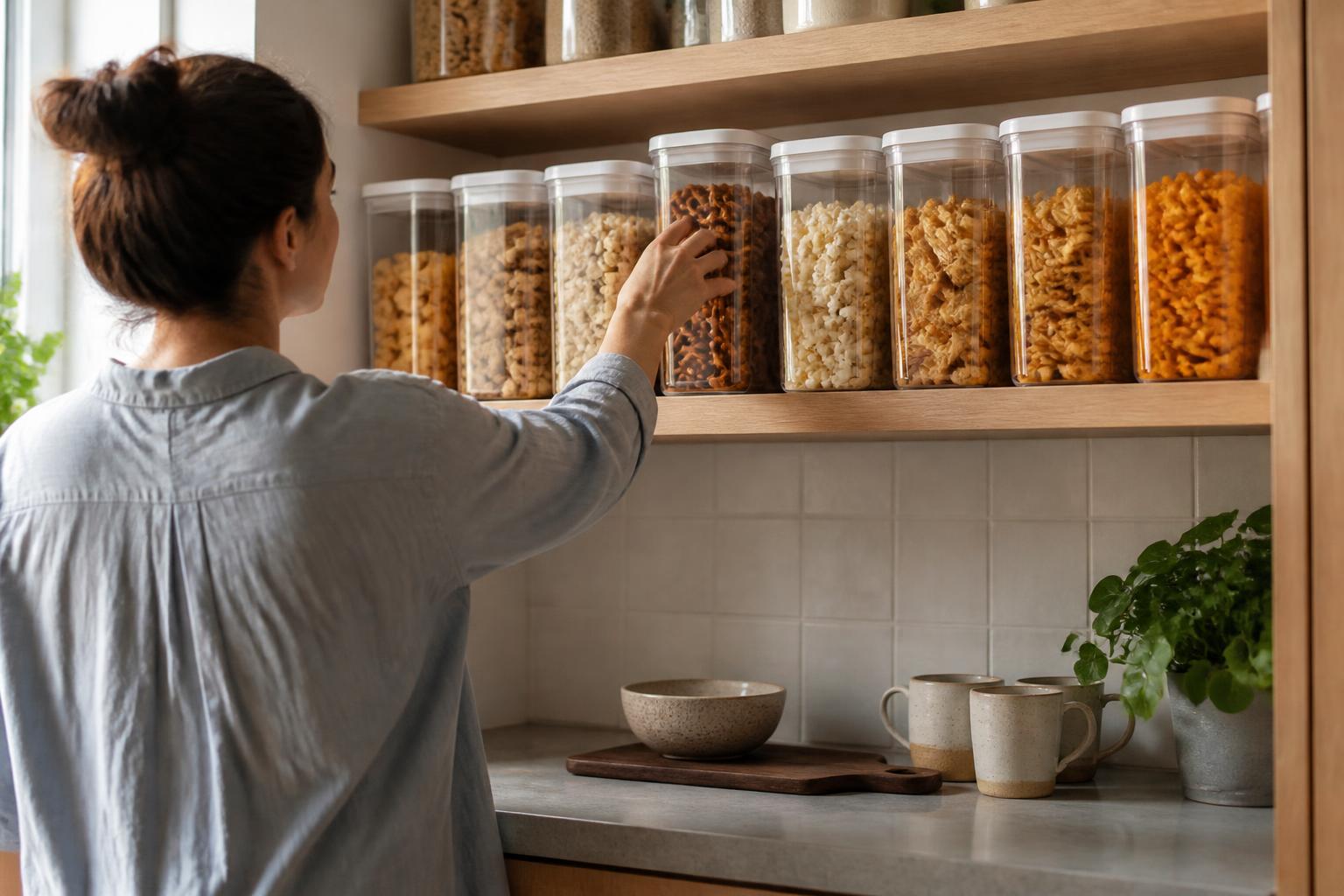
Shopping habits matter too. If you buy popcorn in giant bags because they seem better value, portion them out when you get home. If you keep several snack formats around, store the better everyday options at eye level and the more indulgent ones less visibly. A tidy setup sounds unglamorous, but it makes a real difference to what gets grabbed first.
When reading labels in the supermarket, compare products side by side. Look at calories per bag, not just per 100g. Check for added oils and sugars. Notice how much salt is included, especially if you eat other salty snacks through the week. And be wary of halo words that suggest lightness without saying much.
Finally, keep the bigger picture in view. Popcorn is not a magic weight loss food, and it does not need to be. It is simply a handy, flexible snack that can support your goals when used well. If it helps you swap out denser, less filling snacks, keeps portions feeling generous, and slots into your routine without drama, it is doing exactly what a good everyday snack should do.
So, is popcorn a good snack for weight loss? In many cases, yes. Choose plain or lightly seasoned versions, keep an eye on extras, serve a sensible amount, and treat the label as more important than the format name. Done that way, popcorn earns its place in the cupboard quite comfortably.

Questions about this article or a correction to suggest? Get in touch. Read more about our editorial approach.