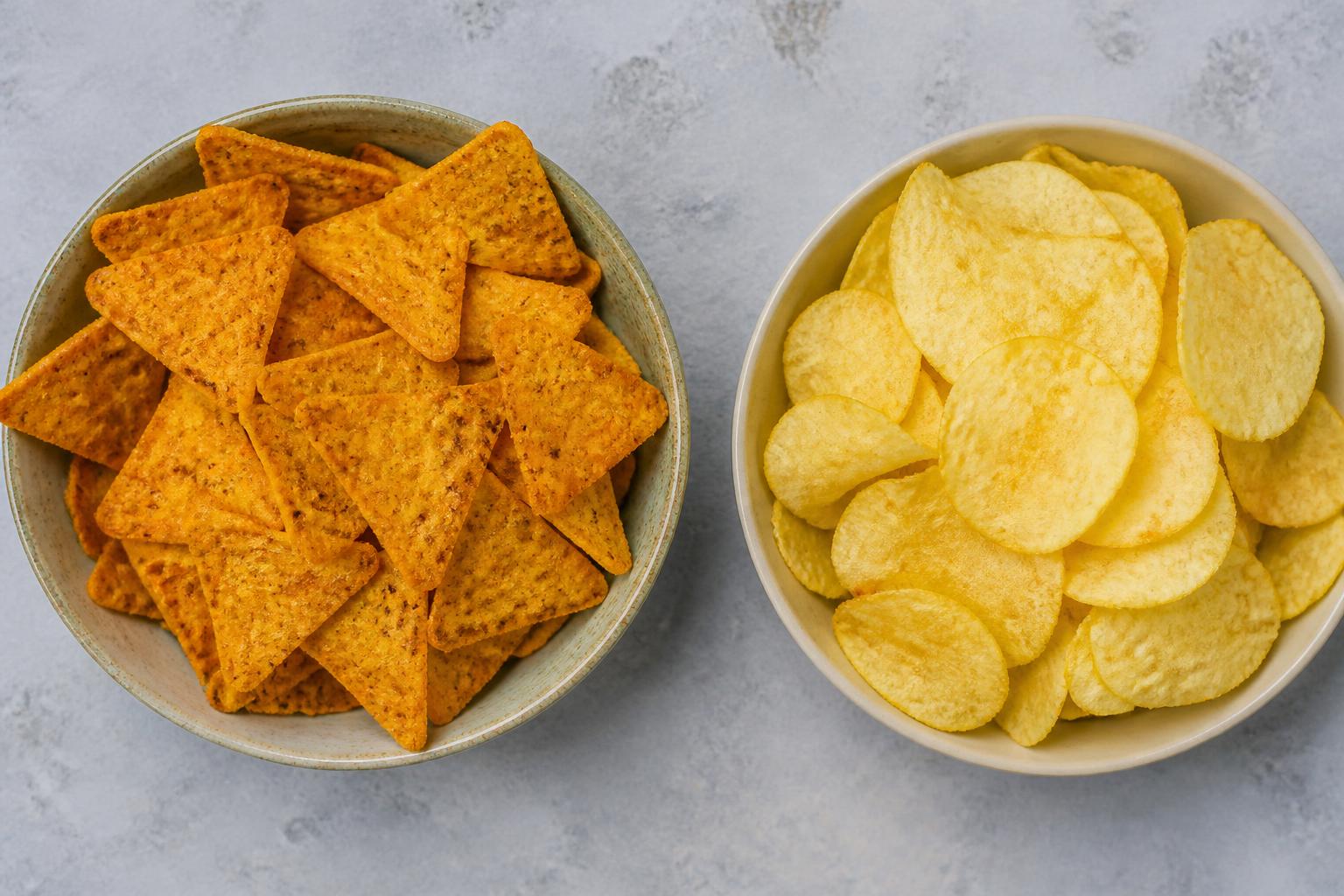
If you have ever stood in the snack aisle wondering whether lentil chips are healthier than crisps, the honest answer is, sometimes, but not automatically. A lentil-based snack can offer more fibre and protein than standard potato crisps, which may make it a more satisfying choice. But that does not mean every bag is lower in calories, lower in fat, or lower in salt.
The better question is not which category wins in theory, but which packet in your hand is the stronger choice for how you actually snack. A heavily seasoned lentil chip can be just as easy to overeat as a crisp, while a simple salted potato crisp can look surprisingly reasonable next to a more processed “better for you” option. Once you know what to check on the label, the answer gets much clearer.
Are lentil chips actually healthier than crisps?
In broad terms, lentil chips often have a nutritional advantage over standard crisps because lentils naturally bring protein and fibre to the mix. That can help with fullness and may make them feel a bit more substantial than a purely starchy snack. For many people, that is the main reason they look like the healthier pick.
But there is no universal winner across all products. Lentil chips are still a processed snack. They are often made from lentil flour or lentil powder mixed with starches, oils, flavourings and seasonings, then baked, popped or fried depending on the product. Crisps, meanwhile, vary enormously too. A hand-cooked, heavily salted, oil-rich crisp is not nutritionally the same thing as a lighter, plain potato crisp with a short ingredients list.
So, are lentil chips healthier than crisps? Often they can be, especially if the product is higher in fibre and protein without being excessive in salt and fat. But some are only marginally different, and a few are not much better at all. The category name on the front of the pack is not enough. The numbers on the back matter more.
This is also where marketing can muddy the waters. Words such as “plant-based”, “gluten-free”, “popped” or “made with lentils” can sound wholesome, but they do not tell you the whole nutritional story. In the UK, the legally useful part is the nutrition table and ingredients list, not the feel-good wording on the front.
What to compare on the packet
When we compare snacks in the UK, we start with the nutrition declaration per 100g, then look at the per portion figure if the portion is realistic. Per 100g is the fairest way to compare one bag with another because portion sizes can be conveniently small on some packs.
Here is what to check.
Fibre
This is one place where lentil chips may pull ahead. Many potato crisps contain very little fibre, while lentil-based snacks can provide a more useful amount. A higher fibre snack may help you feel fuller and can make a snack fit better into a day that is otherwise light on pulses, wholegrains, fruit and veg.
On UK labels, fibre is listed in grams. There is no magic cut-off that instantly makes a snack healthy, but if one product has clearly more fibre per 100g than the other, that is a real point in its favour.
Protein
Lentil chips also often contain more protein than standard crisps. Again, that can support fullness, particularly if you are eating the snack on its own rather than alongside a sandwich, yoghurt or other protein-rich food.
That said, snack protein can be oversold. A lentil chip is not the same thing as a bowl of lentils. The protein may still be modest in a normal serving, so it is better to see it as a bonus rather than a reason to ignore everything else on the packet.
Salt
Salt is one of the easiest ways for a snack to lose its healthy halo. In the UK, labels usually show salt rather than sodium, which is helpful because it is the figure most people recognise. If two products are close on calories and fat, the one with less salt is often the better everyday option.
Seasoned lentil chips can sometimes be quite punchy here, especially flavours that lean cheesy, barbecue, chilli or sour cream style. A plain or lightly salted crisp may compare better than you expect.
Fat and saturated fat
Both lentil chips and crisps can be baked, popped or fried, and the method affects the final fat content. Total fat matters, but saturated fat deserves its own look. Oils used in production vary, and flavour coatings can change the numbers as well.
A lentil chip with a higher fibre content may still carry a similar fat load to a crisp. If the fat and saturated fat are both high, the lentil base does not cancel that out.
Calories
Calories are not the only measure, but they still count. Some people assume lentil chips are always much lighter than crisps. Sometimes they are not. Because both are dry, crunchy, concentrated snacks, the calorie difference per 100g can be smaller than the front of pack branding suggests.
This is where serving size matters too. A product that seems lower in calories “per serving” may simply define a smaller serving. Compare the per 100g figure first, then ask yourself whether you would actually stop at the listed portion.
Ingredients
The ingredients list tells you what kind of snack it really is. With crisps, a simple list might be potatoes, oil and salt. With lentil chips, you may see lentil flour, potato starch or corn flour, rice flour, oil, flavourings, sugar, yeast extract, acidity regulators and more.
A longer list does not automatically make a product bad, but it can reveal when a snack is leaning heavily on refined starches and flavour systems rather than mostly on lentils. If lentils are the star ingredient, we want to see them high up the list, not buried beneath cheaper fillers.
Front of pack traffic lights
Many UK packs also include front of pack colour coding for fat, saturates, sugars and salt. This is useful for quick comparison, though not every product uses the same style. It is a UK convention rather than a universal EU one, and it gives a handy at-a-glance check when you are deciding between similar bags on the shelf.
For this particular comparison, sugar is rarely the deciding factor. Salt, fat and saturates are usually more relevant.
Where lentil chips may have an edge
The strongest case for lentil chips is not that they are automatically “cleaner” or dramatically lower in calories. It is that they can offer a better nutritional balance for a crunchy snack.
First, they may provide more fibre. That matters because many snack foods are low in it, and many adults do not get enough across the day. A lentil-based snack with a decent fibre contribution can be more useful than a crisp that gives you mainly starch, fat and salt.
Second, they often contain more protein. That can make a mid-afternoon snack feel less flimsy. If you are trying to bridge the gap between lunch and dinner without raiding the biscuit tin an hour later, a snack with a bit more protein and fibre may simply do the job better.
Third, lentil chips can sometimes be less greasy in texture, especially popped or baked versions. Texture is not nutrition, but it can affect how much you eat. Some people find a lighter, airy lentil snack easier to portion than a deeply savoury crisp that keeps pulling them back into the bag.
There is also the variety factor. Lentil chips can help widen the ingredients you eat, especially if your routine snacks are mostly potato-based. That does not make them a nutritional marvel, but it can make your snack cupboard more interesting and slightly more balanced.
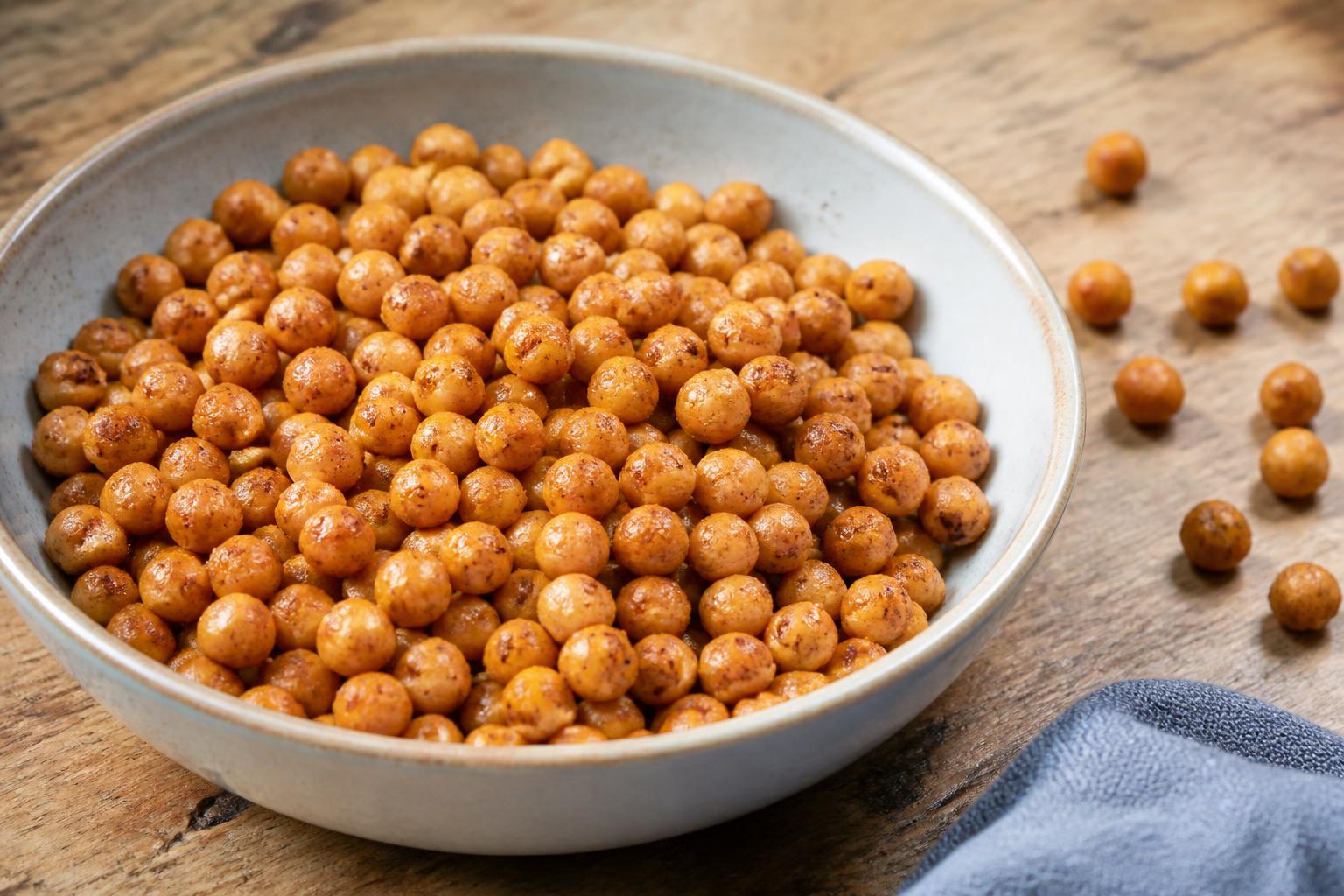
This is similar to what we see with other pulse-based snacks. If you are curious about options beyond crisps, our guide to roasted chickpeas in the UK made simple looks at another crunchy snack that can bring more fibre and protein than standard crisps.
The key word in all of this is “may”. Lentil chips have the potential to be better, not a guarantee. Once the product is heavily flavoured, generously oiled or built around lots of starch alongside a token amount of lentil, the edge can shrink quickly.
Where crisps can still come out well
Potato crisps are easy to dismiss because they are the classic “junk food” benchmark, but some compare more respectably than people expect.
A plain or simply salted potato crisp can have a short, recognisable ingredients list. If the seasoning is minimal, the salt may be moderate rather than sky-high. If the product is not trying to mimic a takeaway in powder form, it may also avoid some of the extras that make lentil chips look more engineered.
Crisps can also be satisfying in a straightforward way. Potatoes are not the enemy. The issue is usually what happens to them in processing, frying and flavouring. A crisp made from sliced potato, oil and salt is still an indulgent snack, but it is at least transparent about what it is.
This matters because healthiness is not just about the ingredient that headlines the pack. A lentil chip built from lentil flour plus starches, flavour enhancers and a salty coating is not necessarily more virtuous than a plain potato crisp.
There is also portion control to think about. Strongly flavoured lentil snacks can be just as moreish as crisps, and sometimes more so because they are marketed as the sensible option. People can end up eating more of them with less guilt. A small bag of plain crisps, eaten and enjoyed, may fit perfectly well into an overall balanced day.
We see the same pattern when people compare other vegetable-based snacks with traditional potato ones. Our piece on whether vegetable crisps are a healthy swap for potato crisps explores how often the answer depends more on oil, seasoning and portion than on the vegetable itself.
How to choose the better snack for real life
The best snack on paper is not always the best snack for your actual afternoon. We choose more sensibly when we match the snack to the moment.
If you are genuinely hungry and need something to keep you going, lentil chips may work better than standard crisps if they offer more fibre and protein. They can feel a little more substantial, especially if you pair them with something fresh such as cherry tomatoes, cucumber, or a yoghurt dip. That combination usually lands better than trying to make a tiny bag of crisps do the work of a mini meal.
If you simply fancy something salty and crunchy with lunch, a modest portion of crisps can be absolutely fine. In that situation, the aim is enjoyment and portion awareness, not turning every snack into a nutrition project. A small bag alongside a sandwich and fruit may make more sense than a large sharing bag of lentil chips eaten under the impression that they “don’t really count”.
Frequency matters too. If you eat this kind of snack most days, the label differences become more important. A product with less salt and more fibre is worth seeking out because those small choices add up. If you have crisps occasionally, the bigger picture of your overall diet matters more than whether one bag had slightly more protein.
Portion size is where good intentions often wobble. Sharing bags are notoriously bad at pretending to be for several people. If you know you tend to keep grazing, buy single portions or decant a serving into a bowl. Crunchy snacks are very easy to eat mindlessly, especially while working, driving or watching telly.
Storage can help more than willpower. Keeping snacks visible, tidy and portioned makes it easier to choose what you actually meant to eat instead of what fell out of an overstuffed cupboard. Our guide to snack storage that keeps boxes tidy and easy to reach is useful if your kitchen has a habit of turning one planned snack into three accidental ones.
It is also worth looking at what else you have eaten that day. If lunch was low in protein and fibre, a better-balanced snack might be useful. If dinner is going to be salty and rich, a lighter snack earlier on may be the smarter move. No single bag decides your health. Patterns do.
For many people, the most practical rule is this:
Choose lentil chips when they are clearly higher in fibre and protein, and not excessively high in salt or fat.
Choose crisps when the ingredients are simpler, the seasoning is lighter, and the portion is sensible.
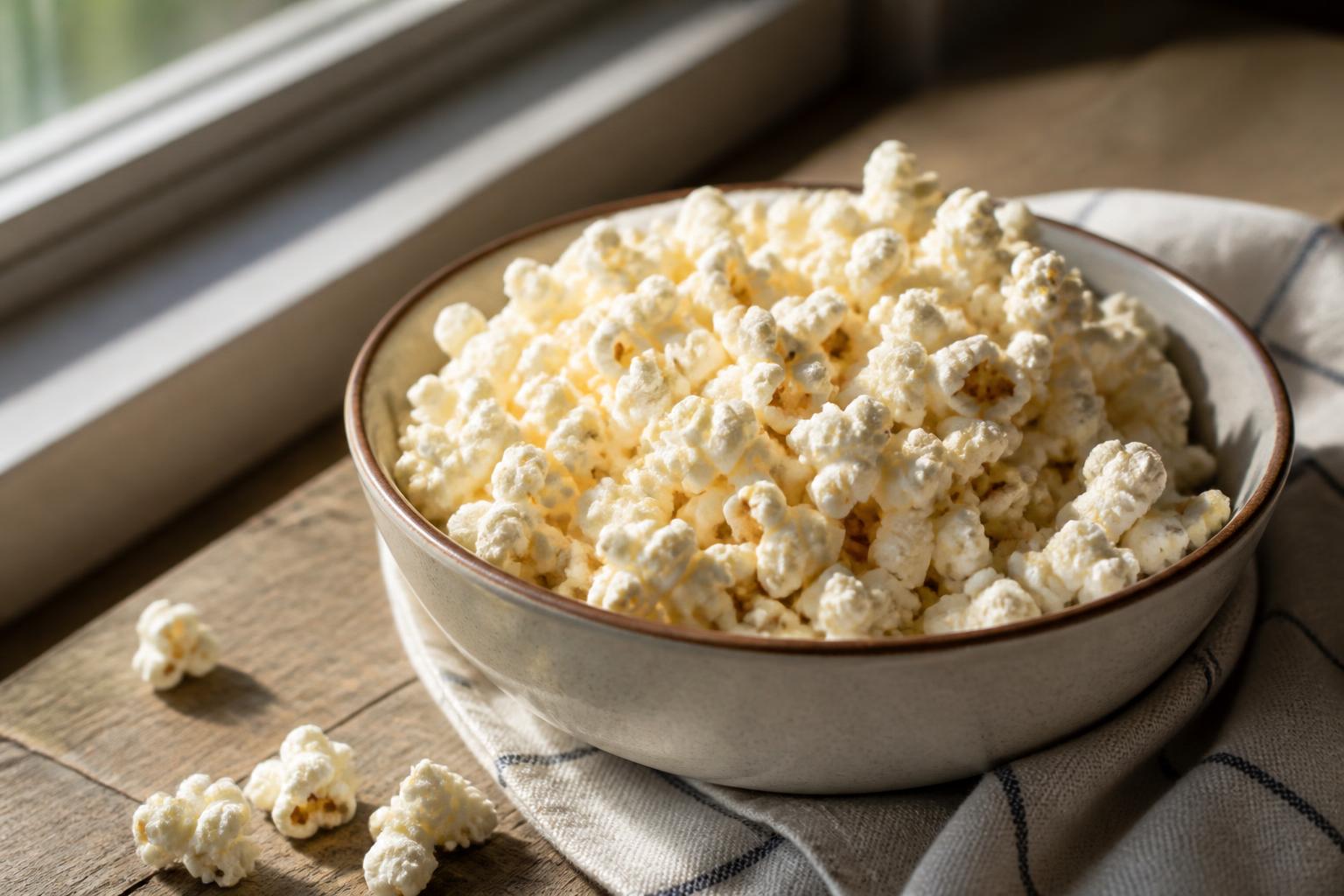
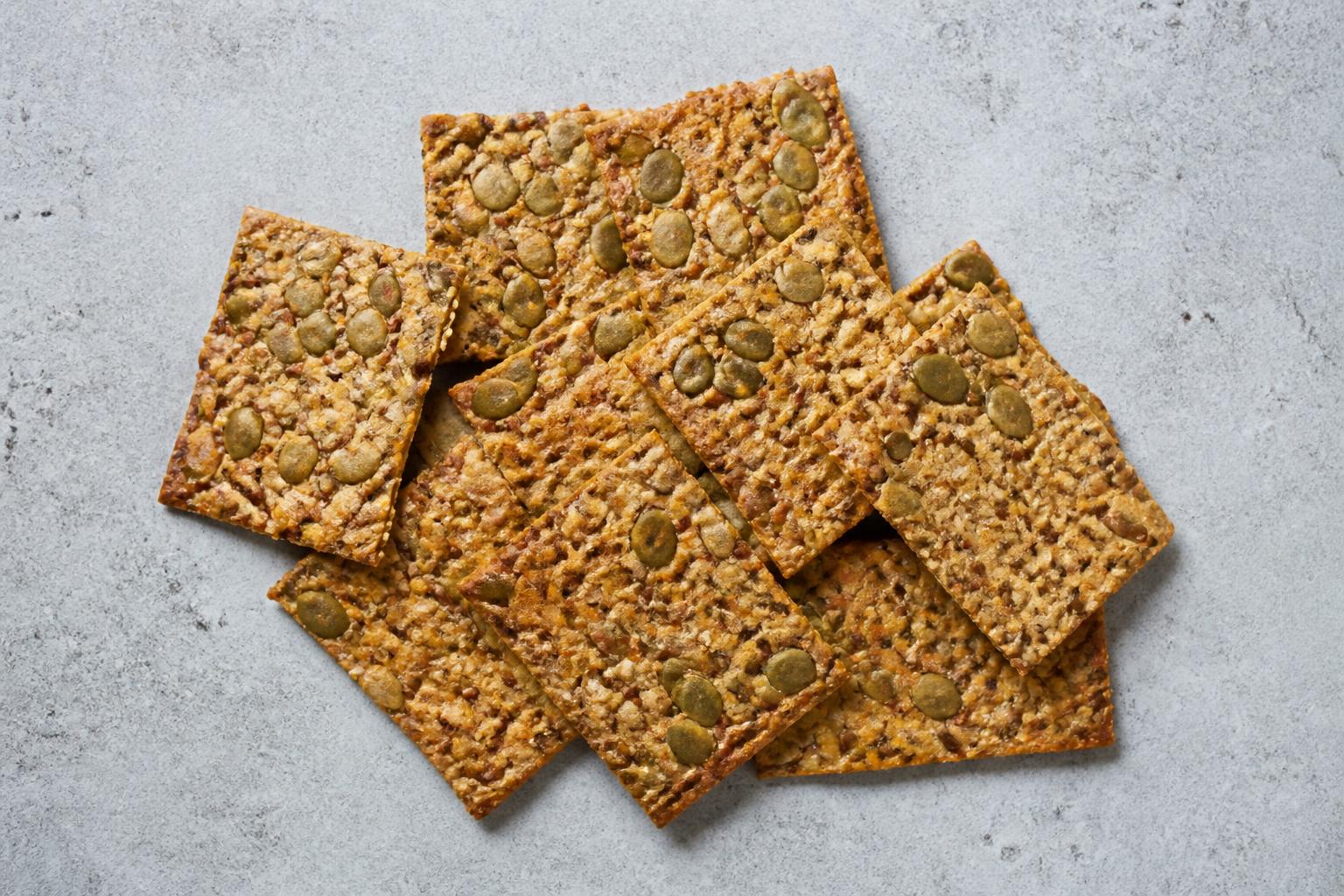
And if neither packet looks especially brilliant, that is useful information too. Sometimes the better snack is not between those two bags at all. It might be popcorn, roasted chickpeas, crackers with hummus, or simply waiting until your next proper meal.
So, are lentil chips healthier than crisps? Often, yes, they can be. But not by default, and not enough to stop reading the packet. The healthier choice is usually the one with better fibre, protein, salt and fat numbers for a realistic portion, and the one that fits the rest of your day without turning into a whole bag eaten on autopilot. In the snack aisle, that is the difference that actually counts.

Questions about this article or a correction to suggest? Get in touch. Read more about our editorial approach.