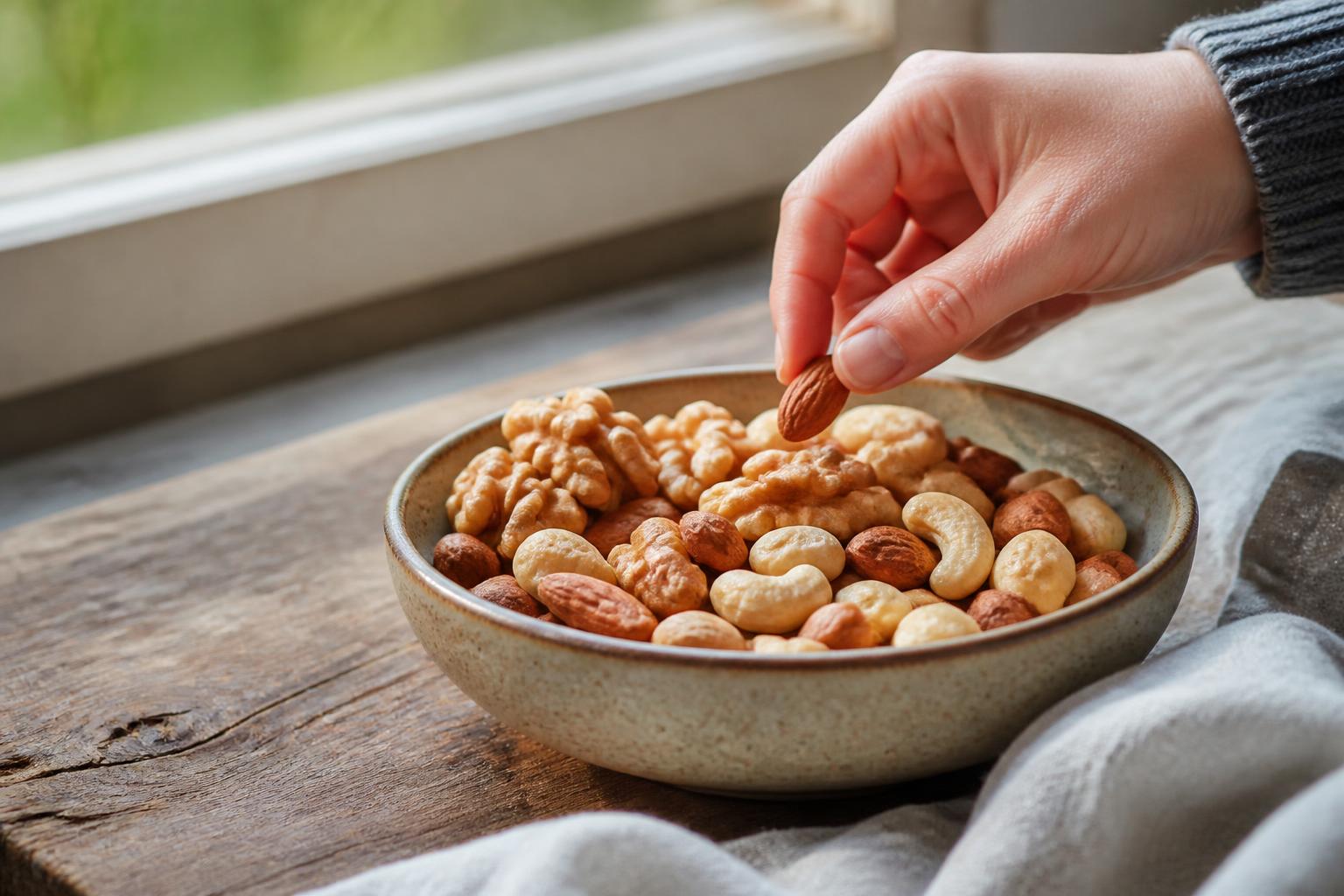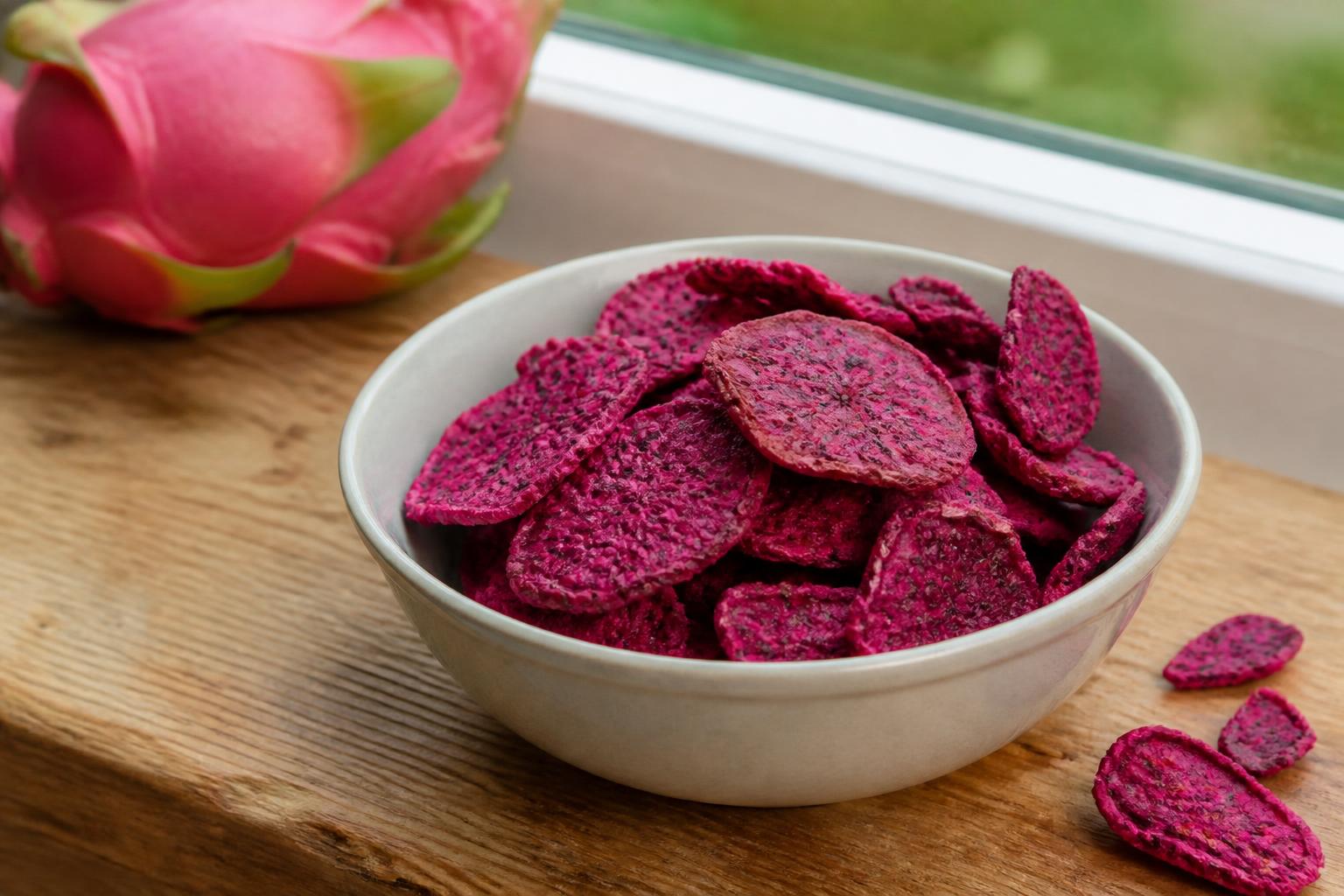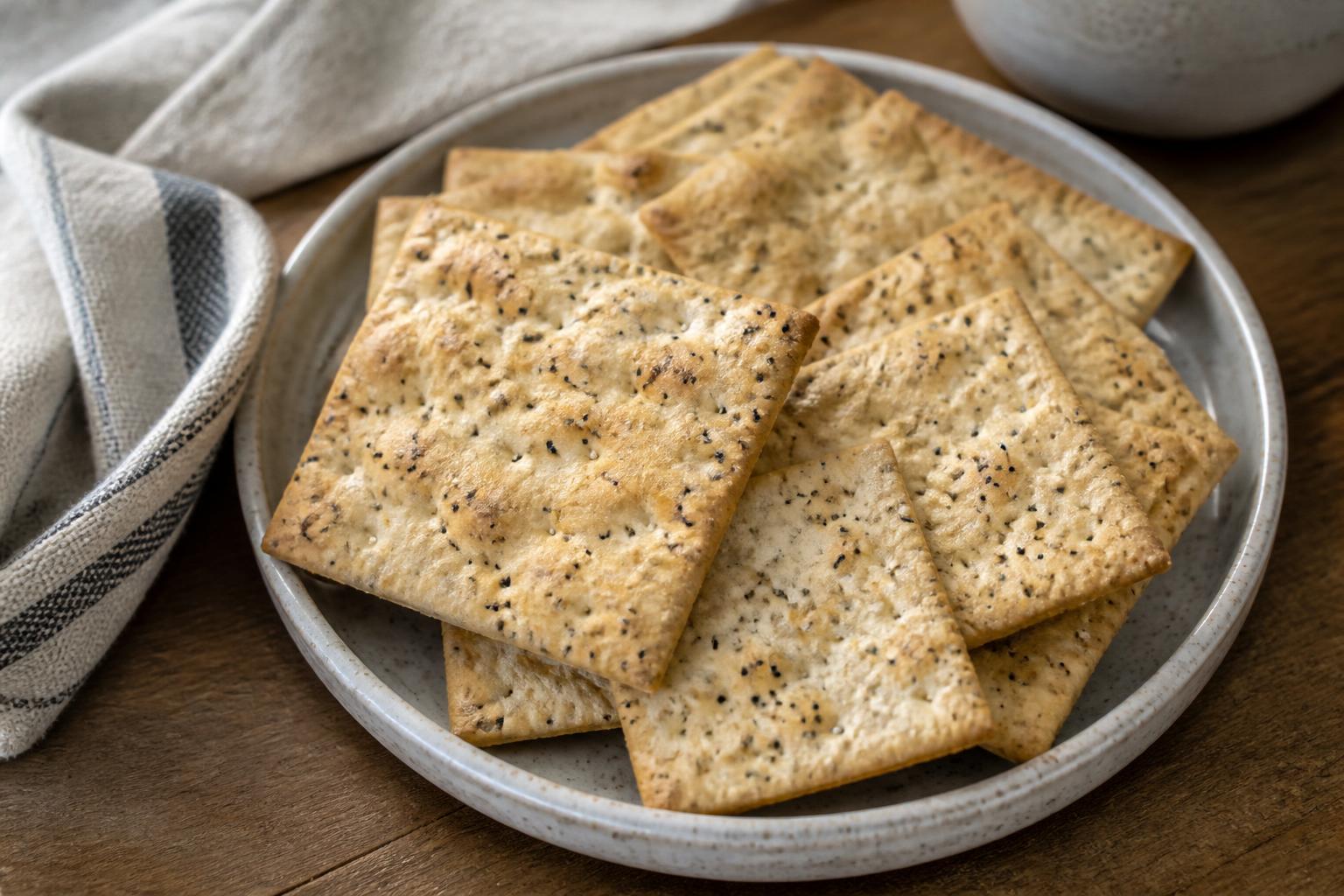
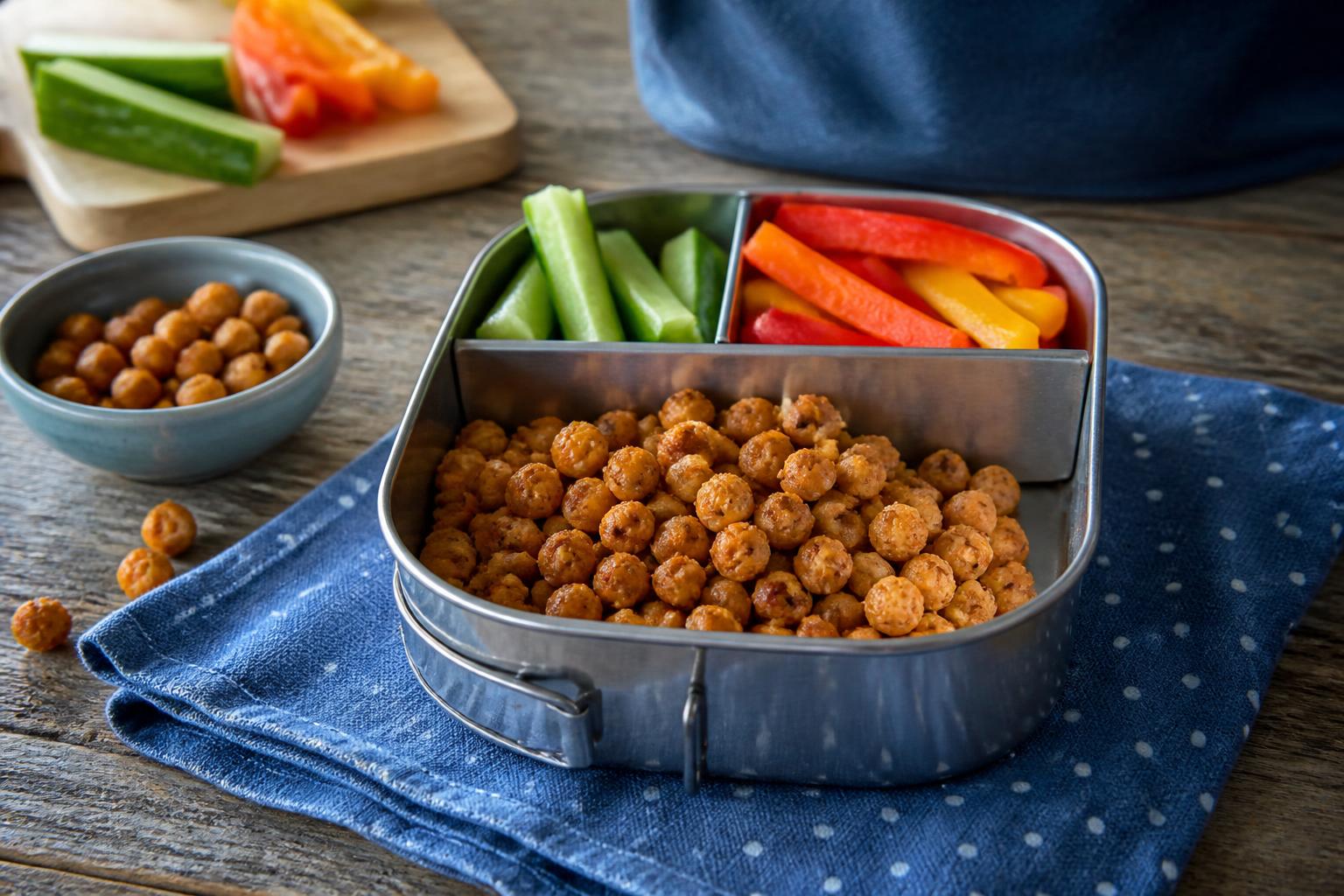
Most parents are not looking for picture-perfect snack boards on a Tuesday at 4.15 pm. They want something children will actually eat, something that keeps them going until the next meal, and something that does not turn every packed lunch or car journey into a negotiation. That is where healthy snacks for kids really earn their keep. They do not need to be elaborate. They need to be sensible, filling enough, and easy to keep in the rhythm of ordinary UK family life.
For us, the best children’s snacks sit in the middle ground. They are not sweets pretending to be wholesome because the packet says “natural”, and they are not so worthy that they come home untouched. A good snack supports breakfast, lunch and tea rather than replacing them. It takes the edge off hunger, adds something useful nutritionally, and fits the setting, whether that means a lunchbox, the back seat of the car, or the kitchen counter after school.
What makes a snack healthier for children?
A healthier snack for children is not simply the one with the fewest calories, the least fat, or the greenest-looking packet. In practical terms, it is a snack that helps a child bridge the gap between meals without loading them up on free sugars, salt, or ultra-large portions that spoil appetite for the next proper meal.
Balance matters more than perfection. Children usually do better with snacks that combine at least two useful elements, such as fruit and dairy, wholegrain and protein, or vegetables and a dip. An apple on its own is absolutely fine, but an apple with a small piece of cheese or a spoonful of peanut butter is often more satisfying and longer lasting. The same goes for oatcakes with hummus, plain yoghurt with berries, or wholemeal toast fingers with mashed egg.
Timing matters too. Snacks are there to tide children over, not to become a rolling all-day buffet. If a child is grazing constantly, they can reach meals half-hungry and less interested in a broader range of foods. In most homes, the snack moments that genuinely help are mid-morning if breakfast was early, after school, or during a long journey. A snack given ten minutes before tea is usually just a meal-disruptor in disguise.
Portion size is another piece of the puzzle. Children do not need adult portions, and many packaged snacks quietly encourage them. A large bag, a giant cereal bar, or a “share” tub can turn a quick bite into a mini-meal. We prefer thinking in child-sized servings. One banana, a small pot of yoghurt, a couple of oatcakes with cream cheese, or a little tub of chopped cucumber and peppers is often enough.
It also helps to remember what UK guidance is actually concerned with. For children over four, the traffic light label on the front of packs can give a quick clue about fat, saturated fat, sugars and salt, but it is not the whole story. For younger children, especially under five, appetite, texture, choking safety and regular meal structure matter just as much. And in the UK, “free sugars” are the bigger concern than the natural sugars found in whole fruit or plain milk. That distinction is worth knowing when a product markets itself as fruit-based but is still packed with juice concentrates or purées.
The aim is not to make every snack nutritionally flawless. It is to make snacks useful. If they help children feel comfortably full, avoid a dramatic energy crash, and still come to meals ready to eat, they are doing the job.
How to build a filling snack without overcomplicating it?
The easiest way to build a more satisfying snack is to stop thinking in terms of “snack foods” and start thinking in food groups. Most filling children’s snacks are just small combinations of familiar foods.
A simple formula works well. Pick one item for fibre or carbohydrate, then add one for protein or fat. That could mean:
- fruit with yoghurt
- wholegrain crackers with cheese
- toast with peanut butter
- carrot sticks with hummus
- a boiled egg with cucumber slices
- a crumpet with soft cheese
- banana with milk
- oatcakes with mashed avocado
This kind of pairing tends to last longer than a dry biscuit bar or a handful of puffs. It also gives you flexibility with what is already in the fridge or cupboard.
Fruit is often the easiest starting point because it is naturally sweet and familiar. Apples, pears, satsumas, bananas and grapes all fit normal UK shopping habits. To make fruit more filling, pair it with something substantial. Apple slices with cheddar, banana with plain yoghurt, or pear with a few wholegrain crackers works well. If your child prefers softer textures, stewed apple with cinnamon and a spoonful of yoghurt can feel more comforting, especially in colder weather.
Vegetables can work surprisingly well as snacks when they are presented in an easy-to-eat form. Long cucumber batons, halved cherry tomatoes for older children, strips of pepper, sugar snap peas, or cooked sweetcorn in a little pot are all practical. The trick is often the dip. Hummus, cream cheese, tzatziki, or a mild bean dip can turn raw veg from a worthy idea into something children actually finish.
Wholegrains help with staying power. Oatcakes, wholemeal pitta strips, seeded crackers, plain popcorn, or small sandwiches made with wholemeal bread are all useful formats. You do not need to force the issue with the most rustic loaf in the bakery. A softer wholemeal wrap or half a toasted muffin can be more realistic for children.
Dairy and dairy alternatives can be handy too. Plain or lower sugar yoghurt, fromage frais with no added sugar, cheese cubes, or a small glass of milk all add protein and calcium. If you use plant-based alternatives, it is worth checking they are unsweetened and fortified, because not all are nutritionally equivalent to cow’s milk products.
Protein-rich options can be especially helpful after school, when children are ravenous and tea is still a while off. Boiled eggs, hummus, nut butters where school rules allow, edamame, chicken pieces, or a small pot of beans on toast fingers can all work. We have covered more of those combinations in our guide to healthy high-protein snacks that actually fit real life.
The main thing is to keep the build simple enough that you will repeat it. A snack only works in real life if it can be assembled while answering a school bag question, finding a lost trainer, and getting tea on.
Which snack formats suit lunchboxes, car journeys and after-school hunger?
The right snack often depends less on nutrition theory and more on where it needs to be eaten.
For lunchboxes, durability matters. The snack needs to survive a morning in a warm classroom or cloakroom area, be easy for small hands to manage, and not leak over maths homework. Good options include whole fruit, dried fruit in modest amounts, oatcakes, rice cakes, wholegrain crackers, cheese portions, mini pitta with hummus if kept cool, and chopped veg in a firm container. A homemade flapjack can work too if it is not overloaded with syrup and sugar.
Texture matters in lunchboxes more than adults sometimes expect. Soggy cucumber next to a sandwich or a bruised banana can put children off quickly. That is why firmer fruit, compartment pots, and dry crunchy items are so useful. If you want more lunchbox ideas, our piece on healthy school snacks that actually get eaten goes deeper into what travels well.
Car journeys need a slightly different approach. Mess, crumbs and stickiness suddenly matter a great deal. So does pace. A snack that can be eaten one piece at a time often works better than something gooey or crumbly. Think breadsticks, plain popcorn, peeled satsuma segments in a tub, cheese cubes, mini sandwiches, oat bars with sensible ingredients, or dry cereal in a snack pot. Water beats juice here, not just for sugar but because spill-prone sweet drinks in the car are nobody’s friend.
For safety, avoid anything that is a choking risk when children are eating strapped into a car seat, especially if they are very young. Whole grapes, large chunks of apple, nuts for little ones, and hard sweets are best handled carefully or avoided. Snack choice is not only about nutrition. It is also about whether a parent can glance in the rear-view mirror without panic.
After school is often the hungriest moment of the day. Children have used up energy, lunch may have been eaten early, and emotions can be running high. This is when a more substantial snack can be genuinely helpful. Toast with beans, a banana and yoghurt, a small bowl of cereal with milk, scrambled egg on toast fingers, or crackers with tuna mayo can all take the edge off without wrecking tea.
This is also the point where crunchy, savoury options can be useful, especially for children who are less interested in fruit. Not every crisp-like snack is equal, and the packet can be misleading, which is why we have looked separately at whether vegetable crisps are a healthy swap for potato crisps. The format may look virtuous, but the details still matter.
Different settings call for different levels of convenience. There is nothing wrong with using a packaged snack when it earns its place. The question is whether it is there because it genuinely works, or because the alternatives are always harder to reach.
What should parents watch for on labels and packaging?
Snack packaging is full of cheerful shortcuts. “No added sugar”, “made with real fruit”, “source of fibre”, “baked not fried”, “organic”, and “100 calorie pack” can all sound reassuring. None of them tells the whole story on its own.
Start with the ingredients list. Ingredients are listed in descending order by weight, so the first few items tell you a lot. If sugar, glucose syrup, fruit juice concentrate, honey, or syrup appear near the top, that snack may be more confectionery than everyday fuel, even if the front shows oats or berries.
For UK shoppers, free sugars are the key term to understand. These include sugars added to foods, plus sugars in honey, syrups, and unsweetened fruit juice. They do not include the naturally occurring sugars in whole fruit and plain milk. This matters because many children’s snacks lean heavily on fruit purée or juice concentrate. They may sound fruit-based, but they can still contribute a fair amount of free sugar.
Front-of-pack traffic light labels can help for products that carry them. A lot of items sold in the UK use this voluntary system, showing whether fat, saturates, sugars and salt are low, medium or high per 100g or 100ml. But it is voluntary, not mandatory, so not every product has it. The UK system also differs from some EU countries, where other front-of-pack approaches are more common. If you are comparing products in Britain, the traffic light panel is useful. If it is missing, you need to rely more on the nutrition panel and ingredients list.
Salt is easy to overlook in savoury snacks aimed at children. Crackers, baked crisps, veggie puffs and savoury bars can all vary widely. A product marketed as toddler-friendly or lunchbox-friendly is not automatically low in salt.
Portion size claims deserve a second look too. A packet may look like a single serving but contain more than one portion according to the label. Equally, a “per portion” sugar figure can seem low because the stated portion is tiny and unrealistic. It is worth checking both the per 100g values and what is actually in the pack your child will eat.
Be wary of halo language. “Gluten free” only matters if your child needs it. “Natural” has no strict nutritional magic. “Baked” can still mean salty and highly processed. “Fruit snack” can still mean sticky sugar. Even products sold in the baby and toddler aisle need reading properly.
If you want one quick rule, it is this. Trust the back of the pack more than the front.
How can families make healthier snacks easier and cheaper?
The easiest healthy choice is usually the one already washed, portioned and visible. Most families do not need a new philosophy. They need a system that works at 7 am and 5 pm.
Shopping with a rough snack plan helps. Rather than buying a random mix of “snacky” products, pick a few items from each useful group. For example:
- two fruits that travel well
- one veg for dipping or chopping
- one yoghurt or cheese option
- one wholegrain base such as oatcakes, wraps or crackers
- one protein extra such as hummus, eggs or peanut butter
That gives you combinations, not just individual items. It also reduces the common problem of having plenty of ingredients but nothing that feels snack-ready.
Prep goes a long way. Washing grapes, slicing peppers, boiling eggs, grating cheese, or portioning crackers into small tubs can make the better option just as fast as opening a packet. We are not talking about a Sunday evening production line worthy of social media. Ten minutes after the food shop is often enough.
Storage matters more than people think. Clear tubs at child height in the fridge can make a real difference. If children can see chopped fruit, cucumber sticks or ready-to-go yoghurt, those foods become normal choices rather than effort foods. A snack basket in the cupboard for oatcakes, plain popcorn, rice cakes and small boxes of raisins can do the same.
Frozen and tinned foods can help keep costs down and reduce waste. Frozen berries stirred into yoghurt, frozen edamame, tinned sweetcorn, or chickpeas mashed into a quick dip are all useful. Fresh produce is brilliant, but it is not the only route to a decent snack.
Leftovers are underrated too. A quarter of a cheese sandwich from lunch prep, a cold boiled potato with a little cream cheese, leftover chicken in a wrap, or a small pot of pasta salad can all become next-day snacks. Children do not always need a snack to look like a snack.
It also helps to decide where convenience packaging genuinely helps and where it quietly drains the budget. Individually wrapped portions can be useful for days out and lunchboxes, but at home it is usually cheaper to portion larger packs yourself. The same goes for chopped fruit and vegetables, which are handy when needed but often much pricier than whole produce.
Finally, keep expectations sensible. Some days the win is homemade yoghurt bark and beautifully cut peppers. Other days it is a banana, a cheese string and two oatcakes eaten while shoes are being located. Both can count as healthy snacks for kids if they do the job well.
Ordinary days are the real test. If a snack is balanced enough, easy enough, and appealing enough to survive the school run, the lunchbox and the after-school slump, it is probably a keeper. And if you are trying to make better food habits stick across the week, our guide to healthy habits that actually fit a busy UK day is a good next step.

Questions about this article or a correction to suggest? Get in touch. Read more about our editorial approach.