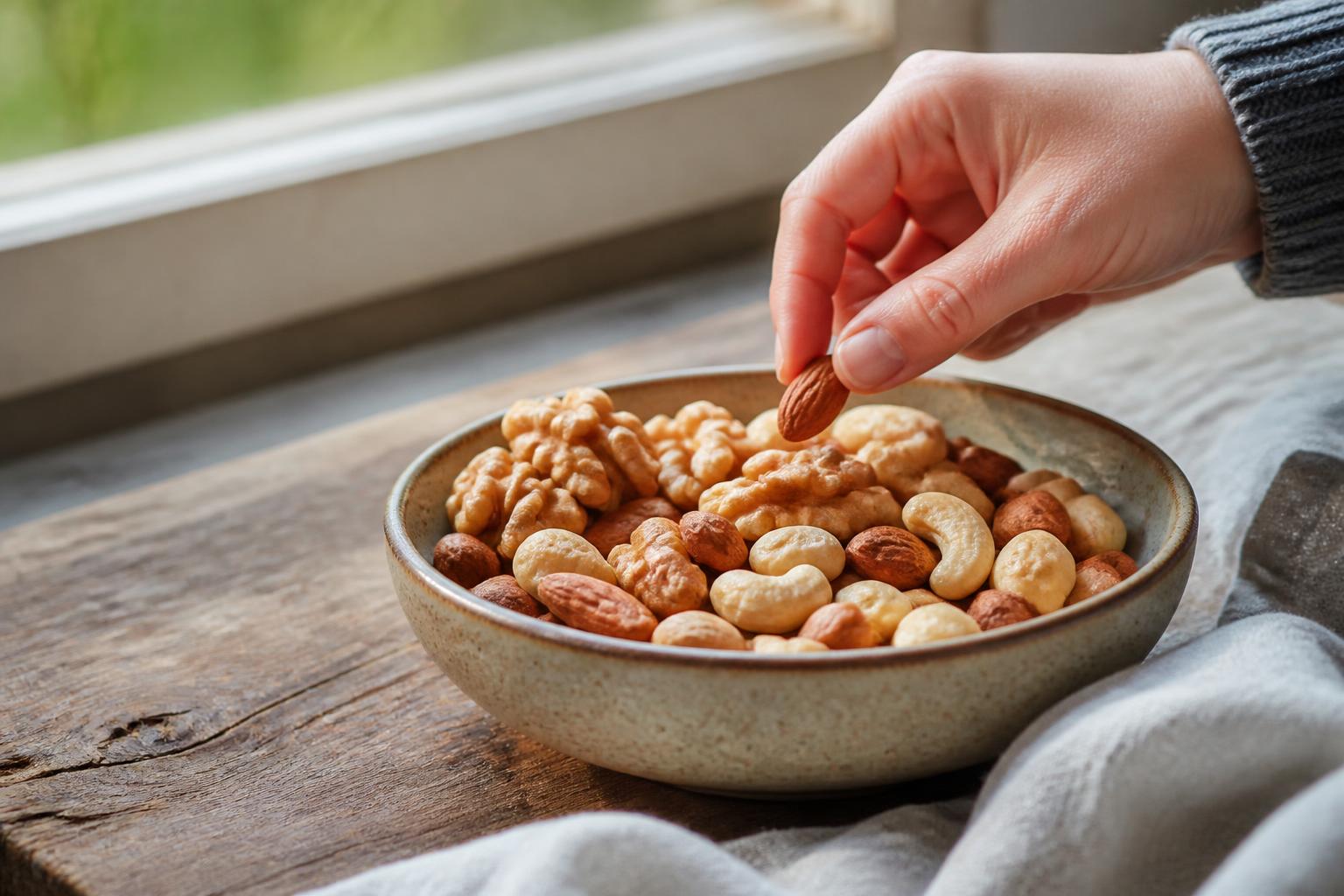
Yes, nuts can be a healthy snack for everyday eating. For most adults, a small handful of plain or lightly roasted nuts is a genuinely useful option when hunger hits between meals. They are satisfying, portable, crunchy, and packed with nutrients that many of us would like more of, including unsaturated fats, fibre, vitamins and minerals.
That said, the detail matters. Nuts are energy dense, so portion size counts. A packet of honey-roasted peanuts or heavily salted mixed nuts is not quite the same thing as a modest handful of unsalted almonds or walnuts. If you have ever wondered whether nuts are healthy snacks, the short answer is yes, usually, but the healthiest version is the one that keeps the ingredient list short and the portion sensible.
What makes nuts a healthy snack?
Nuts have a lot going for them nutritionally, which is why they turn up so often in advice about healthier snacking. The strongest case for them comes down to three things, fat quality, fibre, and the way they help people feel satisfied.
First, most nuts are rich in unsaturated fats. These are the fats generally seen as the more heart-friendly type when they replace foods high in saturated fat. Different nuts vary, but many contain a good mix of monounsaturated and polyunsaturated fats. Walnuts are especially known for providing omega-3 alpha-linolenic acid, while almonds, hazelnuts and peanuts are often praised for their monounsaturated fat content.
Second, nuts bring fibre. Fibre matters for digestive health, and it also helps a snack feel more substantial. A snack that gives you crunch and staying power is often more useful than one that disappears in three bites and leaves you rummaging in the cupboard again half an hour later.
Third, nuts contain protein. They are not a miracle protein food and they are not all equally high in it, but they do offer enough to help with fullness. In real life, that matters. A snack that combines fat, fibre and protein tends to keep us steadier than one built mostly from refined starch or sugar. If you are comparing options for a mid-morning desk snack or something to bridge the gap before dinner, that combination is a big part of the appeal. We cover that balance in more detail in our guide to healthy high-protein snacks that actually fit real life.
Nuts also supply useful micronutrients. Depending on the type, that can include vitamin E, magnesium, selenium, copper, manganese and folate. Brazil nuts are famous for selenium. Almonds are often noted for vitamin E. Cashews bring minerals such as copper and magnesium. Pistachios add potassium as well as a cheerful green colour that makes a snack bowl feel a bit less beige.
There is also the chewing factor. Nuts are crunchy, dense and slow to eat compared with many packaged snacks. That can help with satisfaction in a very practical way. You notice them. You chew them. You get a proper snack experience rather than a quick blur of crumbs.
Where is the evidence strongest? Broadly, it is strongest around nuts as part of an overall healthy eating pattern, especially for heart health and diet quality. They are not a magic food, and eating nuts does not cancel out everything else on the plate. But replacing less helpful snacks with a moderate portion of nuts is a sensible move for many people.
How much is a sensible portion?
For most adults, a sensible snack portion is around a small handful. In practical UK terms, that often means roughly 25g to 30g. You do not need to weigh every portion forever, but it can be surprisingly helpful to do it once or twice at home. Many of us think we are grabbing a handful and end up with two.
Portion size matters because nuts are energy dense. That is not a flaw. It is simply part of what they are. Their healthy fats make them nourishing, but they also make them easy to overeat if you are absent-mindedly grazing from a large sharing bag during a box set.
A small portion is often enough to do the job. If you eat nuts as a snack, rather than as a casual nibble while doing something else, you are more likely to get the benefit of that fullness. Putting them into a little pot or ramekin helps. So does pairing them with something bulky and fresh, such as an apple, satsuma or a few carrot sticks.
The right portion also depends on context. A desk snack between breakfast and lunch might be a modest handful. A more active day, a long walk, or a train journey where meals are awkward might justify a slightly larger portion or a mix of nuts and dried fruit. If you are trying to keep snacks balanced across a busy week, our piece on healthy habits that actually fit a busy UK day goes into the sort of planning that makes this easier.
One point worth keeping practical, not precious, is compensation. Because nuts are filling, people often naturally eat a bit less later. That is one reason they can fit well into everyday eating despite being energy dense. But this tends to work best when the portion is deliberate. A measured handful is one thing. A bottomless bowl in the pub is another.
Which nuts offer what?
There is no single best nut for everyone. Different nuts shine in different ways, and the nicest one to eat regularly is often the one that will actually make it into your bag, desk drawer or kitchen cupboard.
Almonds are the tidy all-rounders. They are crunchy, widely available, and useful for vitamin E, fibre and a decent hit of protein. They work well on their own and hold their texture nicely in homemade snack mixes.
Walnuts are softer, more buttery and slightly bitter in that pleasant, grown-up way. They are best known for their omega-3 alpha-linolenic acid content. If you like a richer, almost earthy crunch, walnuts are a smart addition to porridge, yoghurt or a small cheese board style snack plate.
Cashews are creamier and gentler in flavour. They are often a favourite for people who find some nuts a bit dry. They bring minerals including copper and magnesium. The catch is that they are very easy to keep eating, so portioning them out can be especially helpful.
Pistachios are a strong choice if you enjoy a snack with built-in pacing, especially when they are in shells. Shelling them slows you down and makes the portion more visible. They also offer fibre and protein, and the green and purple tones make them feel a bit more interesting than your average beige snack.
Hazelnuts have a sweet, rounded flavour and pair beautifully with fruit. Nutritionally, they are another good source of unsaturated fats and vitamin E. They can be lovely in autumn and winter snack combinations with pear or apple.
Peanuts are technically legumes, not tree nuts, but in snack terms they live in the same cupboard. They are affordable, familiar and high in protein compared with many other nuts. For plenty of UK households, peanuts are the most realistic everyday option. That absolutely counts. A healthy snack has to be one you will actually buy and eat.
Brazil nuts are the selenium specialists. You do not need many. In fact, because they can contain a lot of selenium, they are a good example of why more is not always better with nutrient-dense foods. They are useful in a mixed selection rather than as a large daily portion on their own.
Mixed nuts can be ideal if you like variety. Just check what kind of mix it is. A simple blend of nuts is very different from a party mix full of salted corn, coated peanuts and crunchy bits whose ingredient list reads like a chemistry practical.
When do nuts become less healthy?
Nuts start to lose some of their healthy shine when the extras pile up. Salt, sugar, syrups, coatings and flavour dusts can turn a straightforward snack into something much closer to confectionery or pub nibbles.
Salted nuts are not automatically off the menu, but it is worth knowing how quickly sodium can climb. In the UK, front-of-pack colour coding can be a useful shortcut. If you are comparing packets, amber or green for salt is usually a better everyday bet than red. This labelling system is standard in the UK but not used in the same way across the EU generally, so imported products may present the information differently.
Sugar is another common issue. Honey-roasted, caramelised and yoghurt-coated nuts can be delicious, but they are more of a treat than an everyday staple. The same goes for chocolate-covered nuts. They may still contain the goodness of the nut underneath, but that does not make the coating nutritionally invisible.
Flavourings can also nudge a snack away from simple and satisfying into ultra-processed territory. Smoky barbecue, sweet chilli, sticky teriyaki and cheese-style dustings often bring extra salt, sugar, refined starches and additives. Again, this is not a moral crisis. It just changes the role of the food. A plain roasted almond and a crunchy coated peanut cluster are not doing quite the same job.
Nut butters deserve a quick mention too. A good peanut butter or almond butter made from nuts and a pinch of salt can be a handy ingredient, but it is easy to spread far more than a handful’s worth onto toast, crackers or apple slices. Sweetened spreads, palm oil-heavy versions and dessert-style nut butters can push things further from simple snacking.
Then there are bars and bites that lead with nuts on the front of the pack but are held together with syrups, crisped rice and a long list of extras. Some are fine for convenience. Some are basically sweets in activewear. Reading the ingredients helps. If nuts are accompanied by a parade of glucose syrup, sugar, invert syrup and flavourings, you are not really buying a bowl of nuts in portable form.
If you enjoy crunch and want to compare other savoury snack formats realistically, our guide to healthy savoury snacks that keep everyday choices simple looks at where nuts fit alongside crispbreads, roasted pulses and other cupboard staples.
Who should be careful with nuts?
Not everyone should treat nuts as a default healthy snack. The biggest reason is allergy.
Tree nut allergy and peanut allergy can be serious and, for some people, life-threatening. If you have a known allergy, even small amounts can be dangerous, and cross-contamination matters. “May contain nuts” and “may contain peanuts” statements are there for a reason. In the UK, allergen labelling rules require clear emphasis of major allergens in ingredient lists on prepacked foods, and Natasha’s Law also strengthened labelling for prepacked for direct sale foods, such as items packed on site before sale. If you are buying from bakeries, cafés or market stalls, always ask.
Anyone who suspects a nut allergy should seek individual medical advice rather than experimenting. Symptoms can include swelling, hives, wheezing, vomiting or dizziness after eating. That is not a moment for generic snack guidance.
Choking is another consideration. Whole nuts are not suitable for very young children, and adults with swallowing difficulties should also be cautious. If there are dental issues, swallowing problems, or a condition that affects safe eating, softer alternatives may be more appropriate.
Some people may also need tailored advice for medical reasons. That can include those on a medically prescribed diet, people with certain digestive conditions, or those who have been told to limit particular minerals. For example, if you have kidney disease or another condition that affects how your body handles certain nutrients, individual advice from a GP or dietitian matters more than broad lifestyle articles.
How can you fit nuts into real UK snack habits?
The easiest way is to make nuts one of your regular options, not the only virtuous food in the house. We do better with snacks that fit our actual routines than with worthy ideas that vanish after three days.
A small pot of mixed unsalted nuts in a work bag is useful for commuter hunger, train delays and that awkward 4 pm slump when the biscuit tin starts calling your name. At home, decanting a larger bag into a jar and keeping a tablespoon or small scoop nearby can stop every snack from turning into a free-pour event.
Nuts also pair well with familiar UK snack habits. Try them with an apple for a classic sweet-crisp combination, with a banana if you want something more filling, or with a few oatcakes if you prefer a savoury edge. A handful of pistachios and a satsuma works brilliantly in winter. Almonds with grapes feel a bit like a picnic, even if you are eating them at your desk under strip lighting.
If cost is a concern, peanuts and larger own-brand packs are often the most budget-friendly route. Buying plain nuts and flavouring them yourself at home can also be more economical than buying premium seasoned versions. A light toast in the oven with a pinch of smoked paprika or cinnamon can make them feel more interesting without turning them into a sugar-salt bomb.
For people who get bored easily, rotate formats. Whole almonds one week, a mixed nut pot the next, peanut butter on apple slices another day. The goal is not nutritional theatre. It is keeping the habit pleasant enough to stick.
Nuts can also help anchor better choices in places where snacking tends to go off piste. Think cinema bags packed from home, glove-box snacks for long drives, or a desk drawer emergency stash. If you know you get peckish in the late afternoon, planning for it beats white-knuckling it until you are face-to-face with a meal deal fridge.
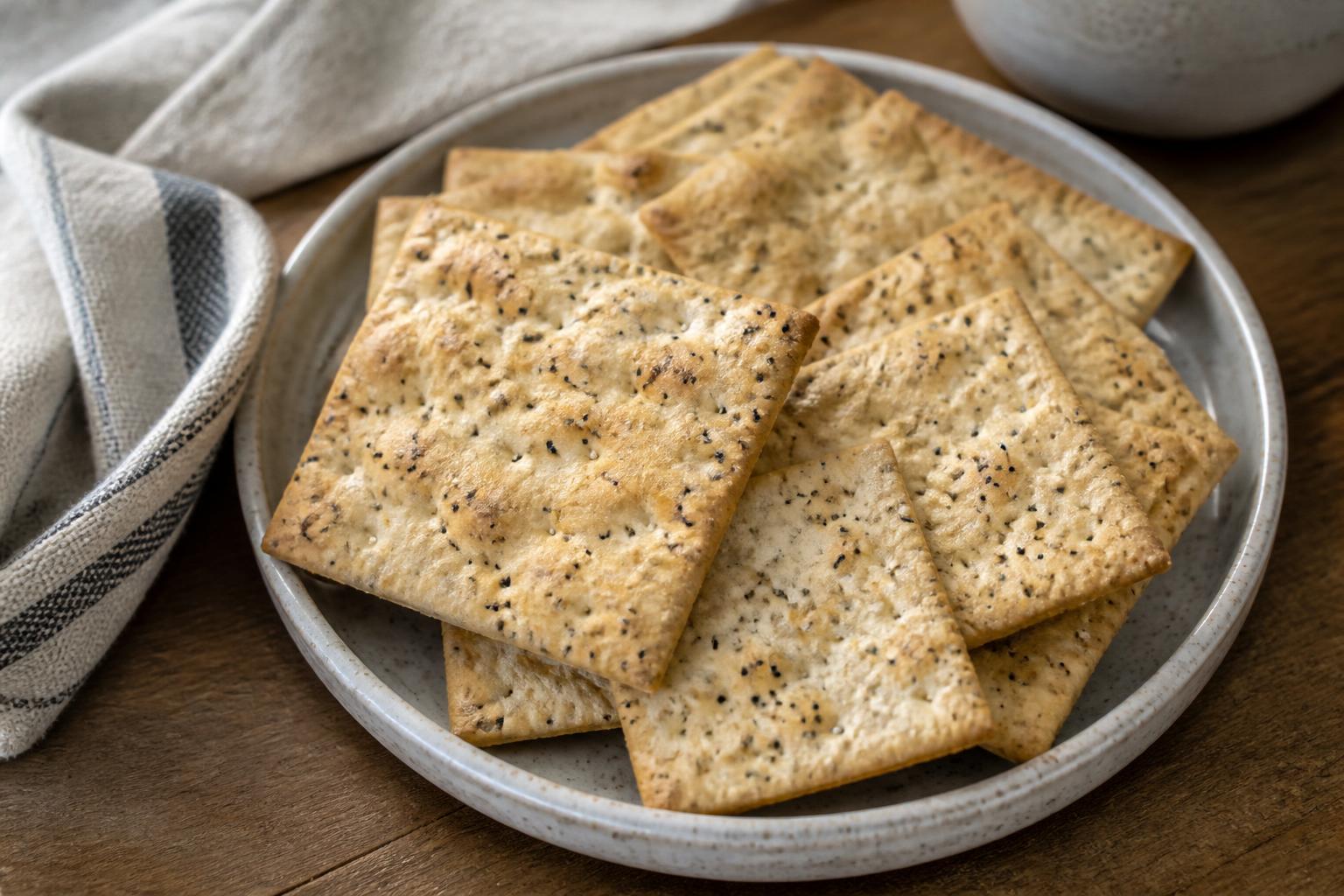
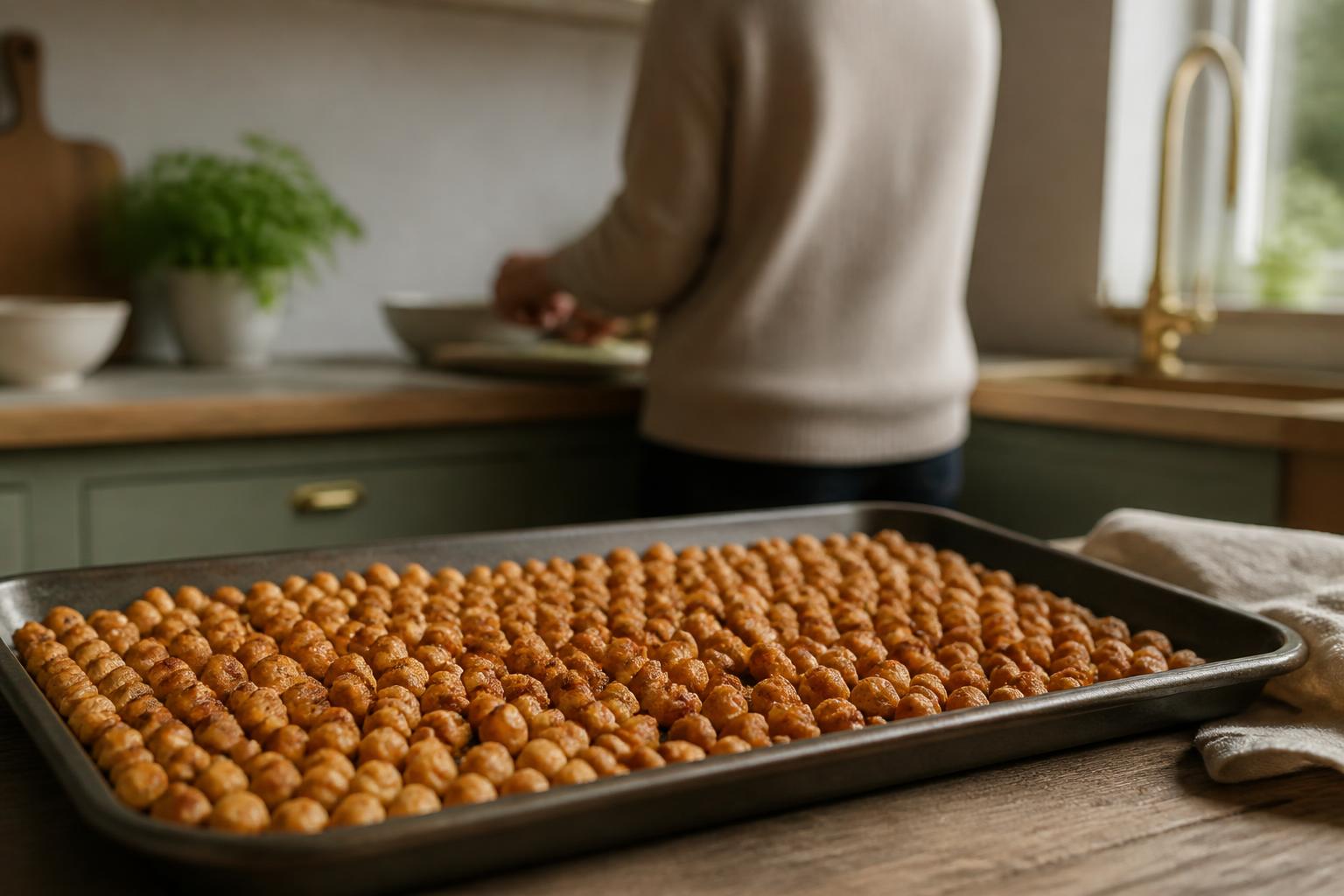
They are not compulsory, though. If you do not enjoy them, or cannot eat them, there are plenty of other routes to a decent snack. Yoghurt, fruit, roasted chickpeas, cheese, boiled eggs, wholegrain crackers and simple homemade mixes all have a place. Our round-up of healthy snack ideas for adults that actually fit real days covers more of those realistic options.
So, are nuts healthy snacks? In everyday life, yes, they often are. Choose plain or lightly roasted nuts most of the time, keep portions to a small handful, and treat the heavily salted, sugary or coated versions more like occasional extras. Done that way, nuts earn their place in the snack cupboard very comfortably indeed.

Questions about this article or a correction to suggest? Get in touch. Read more about our editorial approach.