A sweet snack feels healthier when it does more than deliver a quick sugar hit. The best ones still taste properly satisfying, but they also bring a bit of staying power, usually from fibre, protein or fat, and they do not leave you rummaging for something else 20 minutes later. If you have a sweet tooth, that matters far more than trying to pretend you only want celery sticks.
For most of us, the sweet spot is not “never eat sweet things”. It is choosing sweet snacks that feel steady rather than over the top. That might mean fruit with yoghurt instead of a few handfuls of sweets, or oatcakes with nut butter and banana instead of a pastry grabbed on the run. You still get sweetness, crunch, creaminess or chew, but in a format that fits everyday life better.
What makes a sweet snack feel healthier?
A healthier sweet snack is not just about calories, and it is not automatically something labelled “natural”, “clean” or “guilt-free”. In practical terms, we look for three things. First, does it satisfy hunger or at least take the edge off it? Second, what is actually in it? Third, how does it fit into the rest of the day?
Satiety is the big one. A snack that includes fibre, protein or some fat tends to feel more grounding than one built almost entirely around sugar. An apple on its own can be refreshing, but an apple with a spoonful of peanut butter or a pot of thick yoghurt usually keeps you going longer. That matters if you are trying to avoid the classic cycle of craving something sweet, eating it quickly, then wanting more.
Ingredients matter because sweet snacks vary wildly. Some are mostly fruit, oats, nuts or dairy. Others are mainly syrups, sugar and refined starch. In the UK, it is worth paying attention to free sugars, which include sugars added to food and drink, plus those naturally present in honey, syrups, fruit juice and fruit juice concentrates. They are not quite the same thing as the sugars naturally locked inside whole fruit or plain milk. A bowl of berries and yoghurt behaves differently from a fruit-flavoured cereal bar held together with syrup.
That does not mean every snack needs to be perfect. It means balance counts. A flapjack made with oats and seeds may still contain sugar, but it can feel steadier than a handful of jelly sweets because the oats and seeds add texture and substance. Equally, a snack can look wholesome and still be easy to overdo if it is very soft, very sweet and not especially filling.
Overall eating pattern matters too. A sweet snack that works well between lunch and dinner might not be the same one that suits a late evening nibble. If meals are irregular, cravings often get louder. If you have gone too long without eating, the most intensely sweet option will usually look appealing. That is not a lack of willpower. It is often just hunger dressed up as a craving.
So when we talk about healthier snacks for a sweet tooth, we mean options that still feel enjoyable, but bring a bit more structure with them. They taste sweet, but they do not rely on sweetness alone.
Which ingredients help curb a sweet craving?
Some ingredients are especially useful because they make sweet snacks feel more complete.
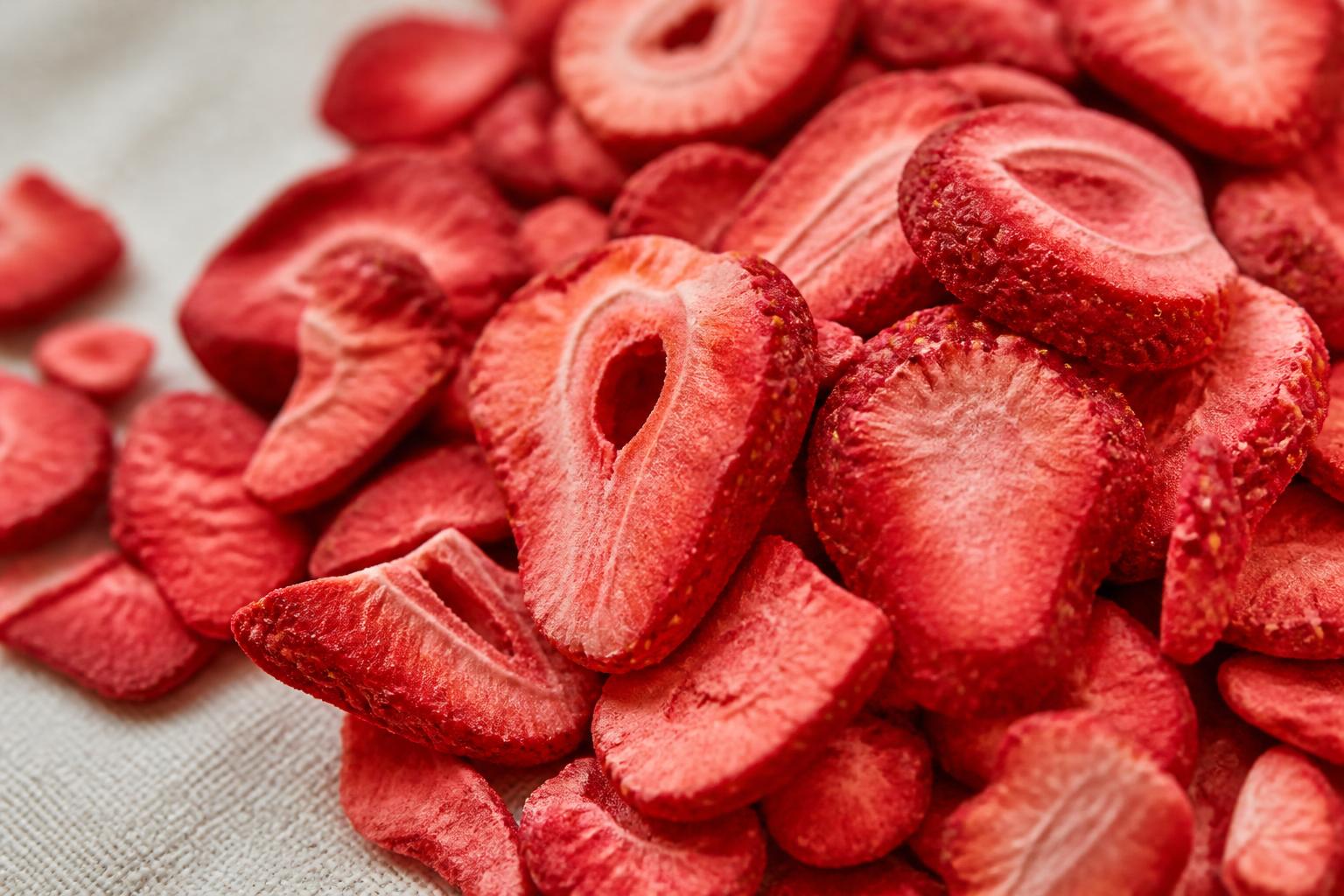
Fruit is the obvious place to start, but the format matters. Whole fruit gives you sweetness, water and fibre in one go. Apples, pears, satsumas, grapes and berries are all easy wins. Bananas are particularly handy because they feel substantial and pair well with richer foods like yoghurt, peanut butter or a few chopped nuts. Dried fruit can work too, especially in small amounts mixed through nuts or oats, but it is more concentrated and easier to eat quickly.
Dairy foods often help because they add protein and creaminess. Greek-style yoghurt, skyr, cottage cheese and soft cheese can all turn a sweet snack into something more satisfying. A bowl of plain yoghurt with fruit and cinnamon tastes very different from a low-fat sweetened yoghurt that disappears in six spoonfuls. If you use plant-based alternatives, fortified unsweetened versions are usually the most useful everyday choice, especially those with added calcium and, ideally, some protein. In the UK, fortified products can help fill gaps, particularly if dairy is off the menu.
Oats are one of the most reliable sweet-snack ingredients going. They add chew, fibre and a sense of actual food. Porridge oats can go into yoghurt pots, overnight oats, homemade bars or quick microwave bowls. Even a small amount can make a snack feel more anchored. If you like crunch, toasted oats or granola can work, though it is worth checking how much sugar has been added, because some granolas edge closer to dessert than snack.
Nuts and seeds are useful because they slow things down. Almonds, walnuts, peanuts, pumpkin seeds, chia seeds and flaxseed all bring fat, texture and, in many cases, a bit of protein. You do not need a huge amount. A tablespoon of chopped nuts over fruit and yoghurt, or a small handful alongside a date or two, can be enough to make the snack feel deliberate rather than flimsy.
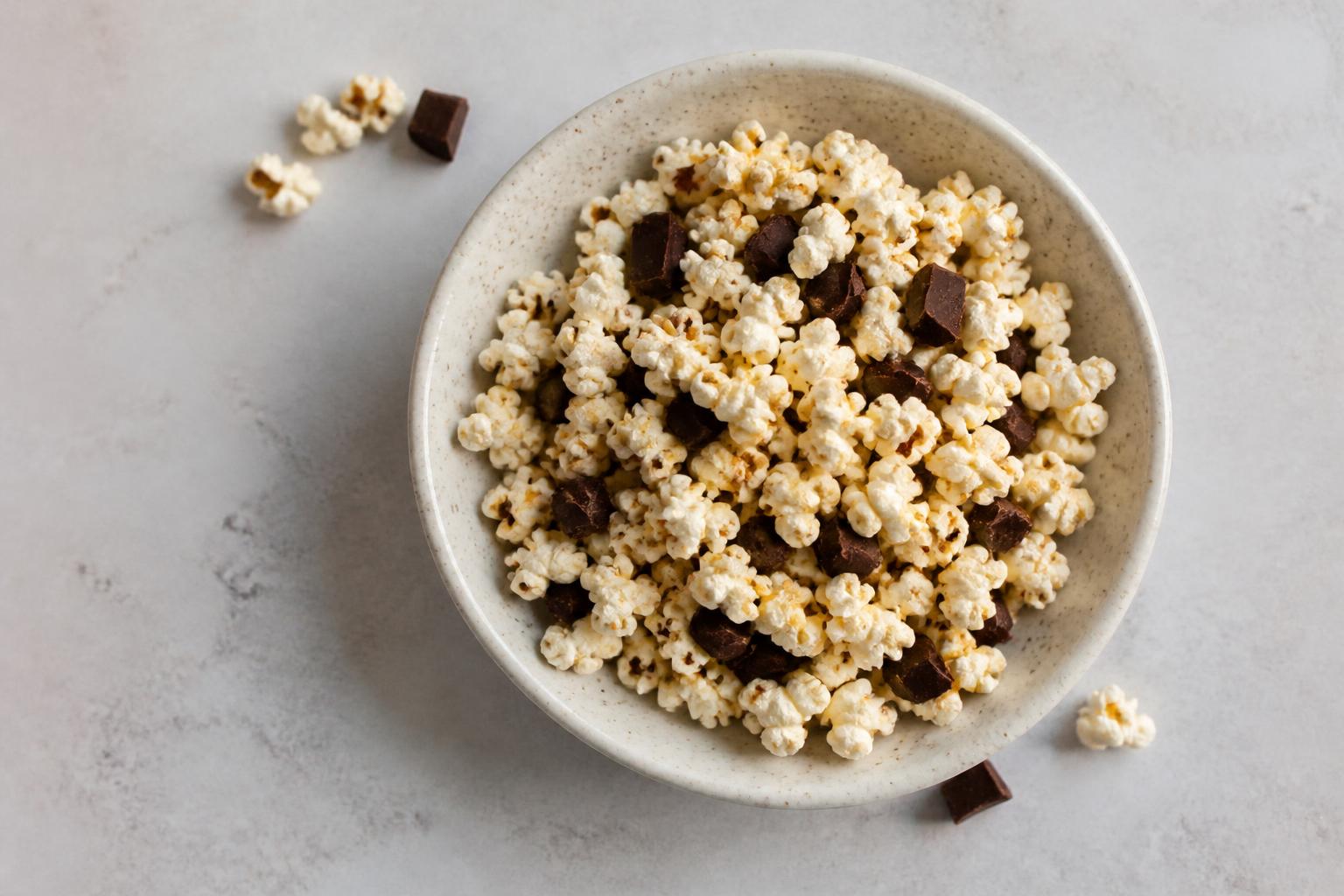
Cocoa-based foods can also help, especially if you want something that feels unmistakably sweet. Cocoa powder itself adds deep flavour without much sugar, so it works well stirred into yoghurt, porridge or overnight oats. Dark chocolate can have a place too. A square or two with fruit or nuts often feels more satisfying than a larger amount of a very sweet chocolatey snack that vanishes without much notice. The point is not that dark chocolate is magically virtuous. It is that stronger flavour can sometimes mean enough really does feel like enough.
When these ingredients appear together, sweet snacks tend to work better. Fruit plus yoghurt. Oats plus nuts. Cocoa plus banana and milk. They give sweetness some support.
Easy sweet snack formats that work in real life
Real life snacks need to travel, survive a desk drawer, fit around school runs and meetings, and not require a blender every time you fancy something sweet. A few formats do this particularly well.
Crunchy sweet snacks are useful when you want the sensory payoff of a biscuit or cereal bar, but with a bit more substance. Apple slices with peanut butter bring crispness and richness. Pear with a few walnuts is another good one. Oatcakes topped with ricotta and sliced figs, fresh when in season or dried in smaller pieces, feel grown-up without being fussy. A homemade mix of unsweetened cereal, nuts and a few raisins can also work if you portion it before hunger takes over. If you like a dessert-leaning option, our guide to sweet snacks that still feel like a treat has more ideas in that lane.
Creamy formats are often the easiest way to make sweet snacks feel satisfying. A pot of Greek yoghurt with berries and a spoonful of oats is hard to beat for convenience. Skyr with sliced banana and cocoa powder works when you want something chocolatey without opening a packet of biscuits. Chia pudding made with fortified soy drink or milk can be useful if you like a make-ahead option, though it is best when paired with fruit rather than relying on lots of syrup for flavour. Rice pudding can fit too, especially homemade or lower in added sugar, with cinnamon and stewed fruit stirred through.
Chewy snacks have their place, particularly if you want something portable. Medjool dates stuffed with peanut butter or tahini are rich, sweet and surprisingly effective in small portions. A homemade oat and seed square can work well if it is based more on oats and nut butter than syrup. Energy balls made with dates, oats and cocoa are another common option, though they are still easy to overeat because they are small and very moreish. Think of them as concentrated snacks, not free-for-alls.
Frozen formats deserve a mention as well. Frozen grapes are simple and refreshing. Banana slices dipped lightly in yoghurt and frozen can scratch the ice-cream itch. A yoghurt lolly made at home from blended fruit and plain yoghurt is another practical option in warmer weather. These can be especially handy if your sweet tooth tends to show up after dinner.
Toast is underrated in this conversation. One slice of wholemeal toast with peanut butter and sliced banana, or with soft cheese and berries, can be a much steadier answer to a sweet craving than grazing on snacky bits that never quite hit the mark. If you need more everyday inspiration beyond sweet options, we have also put together snack ideas that fit real adult days.
The common thread is simple. Choose a format you actually enjoy, then give it some backbone. Crunch with fibre, creaminess with protein, chew with a bit of fat or oats.
How to spot when a sweet snack is less balanced
Some sweet snacks are less balanced not because they are forbidden, but because they are built in a way that makes them less satisfying and easier to keep eating.
One common sign is that free sugars appear in several forms near the top of the ingredients list. That might mean sugar, glucose syrup, honey, fruit juice concentrate or other syrups. In the UK, ingredients are listed in descending order by weight, so the early part of the list tells you a lot. If a snack is mostly sweeteners plus refined starch, it is unlikely to keep you full for long.
Low fibre is another clue. Many sweet snacks made from puffed rice, refined flour or sugary coatings have very little to slow things down. They can still be enjoyable, but they often behave more like a quick nibble than a genuinely useful snack. Oats, nuts, seeds and fruit usually improve this.
Low protein can matter too, especially if the snack is replacing what might otherwise have been a more substantial mini-meal. A cereal bar with a bit of chocolate drizzle may taste good, but if it has barely any protein or fibre, it may not do much for staying power. That is where pairing helps. If the bar is what you have, having it with a yoghurt or a glass of milk can make it more balanced.
Texture and format can be revealing. Soft, airy, melt-in-the-mouth snacks are often very easy to eat quickly. So are sweets that come in sharing bags, chocolate-coated bites that barely need chewing, and “healthy” balls or clusters that are small enough to disappear by the handful. There is nothing wrong with these foods existing. It is just worth recognising that they can bypass fullness cues more easily than something crunchier, thicker or more portioned.
Health halos can muddy the picture. Words like “raw”, “vegan”, “natural” or “made with fruit” do not tell you whether a snack is filling or low in free sugars. Neither does “protein” on the front of pack unless the rest of the product stacks up. One yoghurt pouch may be a handy snack. Another may be mostly fruit purée and sweetener. One granola may be nutty and restrained. Another may be heavily sweetened and clustered with syrup. There is genuine variation between products, so broad labels only get you so far.
If you already know you tend to crave sweetness in the afternoon, it can help to borrow ideas from more filling categories too. We cover that in our piece on high-protein snacks that fit real life, because protein is often the missing piece in snacks that taste nice but do not quite satisfy.
How to build a routine that tames a sweet tooth
Routine does a lot of quiet work here. A sweet tooth is often strongest when meals are erratic, energy is low and the nearest option is a packet of something sugary. We get better results by making the satisfying choice the easy one.
Timing matters more than people think. If lunch is light and dinner is late, a planned afternoon snack can stop the 4 pm hunt for biscuits becoming a full-on raid. The same goes for evenings. If you always want something sweet after dinner, plan for it instead of trying to white-knuckle your way through. A bowl of yoghurt with fruit, a square of dark chocolate with nuts, or toast with nut butter is often enough when it is chosen on purpose.
Portions help, but not in a joyless way. It is easier to feel content with a sweet snack when it has a clear shape. A pot of yoghurt with toppings. Two oatcakes with ricotta and sliced banana. A small bowl of trail mix rather than the whole bag. Portioning is not about being strict for the sake of it. It is about giving the snack edges so it still feels like a snack.
Shopping habits make a difference before hunger even enters the picture. If the house is full of intensely sweet, low-satiety snacks and empty of fruit, yoghurt, oats and nuts, then convenience will win. Keeping a few basics around makes everything easier. Bananas, apples, frozen berries, plain yoghurt, peanut butter, oats, dark chocolate and a couple of seed or nut options cover a lot of ground. Shelf-stable choices matter too, especially for work. Small tubs of nuts, oatcakes, no-added-sugar fruit pots and lower-sugar cereal portions can all earn their keep.
Visibility counts. If washed grapes are at eye level in the fridge and the yoghurt is easy to grab, they are more likely to get eaten. If the only sweet option in sight is a half-open multipack, that will usually be the path of least resistance. We do not need perfect discipline when a bit of setup will do.
It also helps to stop treating sweet cravings as a problem to eliminate. They are normal. The goal is to answer them in a way that feels good afterwards. Sometimes that will be fruit and yoghurt. Sometimes it will be a biscuit with a cuppa, and that is fine too. A balanced routine is not built on never having sweeter foods. It is built on not needing every sweet snack to be an event.
The most useful healthy snacks for a sweet tooth are the ones you will genuinely keep buying, making and eating. If they offer sweetness plus crunch, creaminess or chew, and they leave you feeling pleasantly sorted rather than set off on another hunt, they are doing the job.

Questions about this article or a correction to suggest? Get in touch. Read more about our editorial approach.