Corn nuts can be a perfectly reasonable snack, but they are not automatically a healthy one. If you are asking whether corn nuts are healthy, the honest answer is that it depends on the pack, the flavouring and, most of all, how much you eat in one go.
They do have some things going for them. They are crunchy, satisfying and usually offer a bit of fibre and protein. But they can also be salty, calorie-dense and very easy to keep picking at. Like many roasted and seasoned snacks, they sit in that middle ground where they can fit into a balanced diet, but they are not in the same bracket as a piece of fruit or a plain handful of unsalted nuts.
What corn nuts are and why the health answer is not a simple yes or no
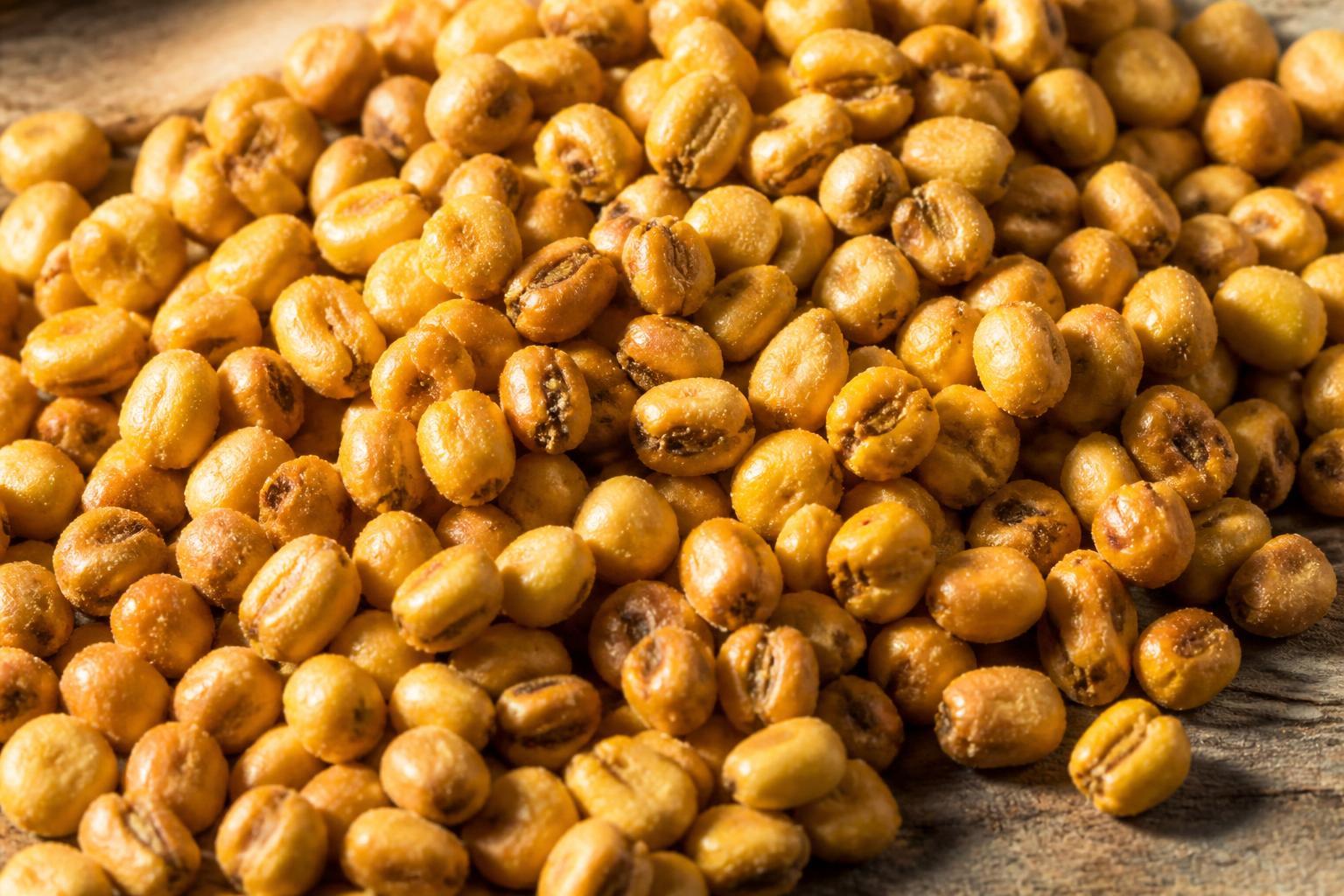
Corn nuts are whole corn kernels that have been soaked, then roasted or fried until they become hard, dry and intensely crunchy. Despite the name, they are not nuts at all. They are made from corn, usually a large-kernel variety designed to hold its shape and develop that distinctive dense bite.
That matters for two reasons. First, anyone with a nut allergy may see the word “nuts” and assume the product contains tree nuts or peanuts. Usually it does not, but the label still matters because some products are made in facilities that handle allergens. In the UK, packaged foods must clearly declare major allergens in the ingredients list, so it is worth checking the back of the packet rather than relying on the front.
Second, the way corn nuts are made tells you quite a lot about their health profile. Plain roasted kernels are one thing. Deep-fried kernels with heavy flavour coatings are another. A lightly salted version may be fairly simple, while a barbecue, cheese or chilli flavour can bring extra oil, sugar, flavour enhancers and a much bigger sodium hit.
Portion size changes the picture as well. Corn nuts are small, dry and moreish, so it is easy to eat far more than you meant to. A serving listed on the packet may look modest compared with the amount people actually pour into a bowl or eat straight from a sharing bag. That gap between the stated serving and real-life snacking is often where a decent choice becomes a less helpful one.
There is also the matter of what you are comparing them with. Compared with some crisps, corn nuts may offer a little more fibre and protein, plus a more substantial crunch that slows you down. Compared with plain nuts for everyday eating, they are usually lower in beneficial unsaturated fats and often higher in refined seasoning. Compared with popped lotus seeds as a healthy snack choice, they are often denser and easier to overeat.
So the health answer is not a clean yes or no because corn nuts are not one single product in nutritional terms. The ingredient list, cooking method and portion all matter.
How corn nuts stack up nutritionally
From a nutrition point of view, corn nuts tend to be built around carbohydrates first. They are made from corn, so starch is the main component. That is not automatically a problem, but it does mean they are not especially low-carb, nor are they a high-protein snack in the way roasted chickpeas, edamame or some nut mixes can be.
Calories can add up quickly. Corn nuts are dry and compact, and many versions are roasted with oil or fried before seasoning. That means a small handful can carry more energy than it seems to. If you are eating absent-mindedly at your desk, in the car or in front of the telly, the calories can mount before your brain has quite caught up.
Fat content varies quite a bit by brand and flavour. Some plain roasted versions are relatively moderate. Others, especially heavily seasoned ones, can be noticeably higher. The ingredients list helps here. If oil appears early and the seasoning blend includes extra fat-based flavourings, you can expect a richer product.
Fibre is one of the better points in corn nuts. Because they are made from whole kernels, they can contribute some fibre, which may help with fullness. That said, the amount is not identical across brands, and it is rarely enough to turn them into a nutritional superstar on its own. They are best seen as a snack with some fibre, not a fibre food.
Protein is present, but usually in modest amounts. Corn naturally contains some protein, and whole-kernel snacks often provide a bit more than standard potato crisps. Even so, if you want a snack that genuinely keeps hunger at bay for longer, pairing corn nuts with a protein source often works better than relying on them alone.
Sodium is where labels can look dramatically different. One pack may be simply salted and fairly restrained. Another may be loaded with seasoning and contain a much sharper salt hit. In the UK, labels usually show salt per 100g and often per serving too. That is useful, but the per 100g figure lets you compare products more fairly. If a snack pushes into the high-salt category, it is worth noticing, especially if the bag is easy to finish in one sitting.
Sugar is usually not the headline issue with corn nuts, but some flavoured coatings can include sugar or dextrose. You may not taste them as sweet, because they are there to round out savoury flavours, but they still form part of the product.
The practical lesson is simple. Do not assume all corn nuts are nutritionally alike just because the front of the packet looks similar. Check the back for:
- serving size
- calories per serving and per 100g
- salt per 100g
- fibre and protein
- whether the product is roasted or fried
- how long the ingredients list is
- whether sugar appears in the seasoning blend
Those details tell you far more than marketing words like “crunchy”, “bold flavour” or “protein packed”.
The main health upsides and downsides
The biggest upside of corn nuts is satisfaction. They have a proper crunch, a long chew and a savoury intensity that can make a small amount feel more substantial than a light, airy snack. For some people, that means they scratch the snack itch better than foods that vanish in three bites.
That texture can help with mindful eating too. You cannot really inhale corn nuts at the speed you might manage with thin crisps. They ask for a bit more chewing, and that can slow the pace just enough to make snacking feel more deliberate.
They also travel well. Corn nuts are shelf-stable, not messy and easy to keep in a bag, desk drawer or glovebox. If the alternative is skipping food for hours and then buying whatever appears at a petrol station, a sensible portion of corn nuts can be the more practical choice.
Now for the downsides.
Salt is the obvious one. Many flavoured corn nuts are aggressively seasoned. If you already eat a lot of packaged foods, sandwiches, sauces and takeaways, a salty snack on top can push your overall intake higher than you realise. In the UK, adults are generally advised to keep salt intake under control, and snacks can be a sneaky contributor because they do not always taste as salty as they really are.
Energy density is another issue. Corn nuts are crunchy and dry, not watery or bulky, so they pack a fair amount of calories into a relatively small volume. That does not make them “bad”, but it does mean they are not the sort of snack that fills a bowl while keeping energy intake low.
Highly seasoned varieties can also become less about the corn and more about the coating. If the appeal is mostly cheese powder, barbecue sugar, chilli flavouring and salt, the product starts to behave more like a heavily processed savoury snack than a simple roasted ingredient.
There is also the satiety trap. Corn nuts can feel filling for a moment because they are crunchy and substantial, but if the portion is small and not paired with anything else, hunger may return quickly. They often work better as part of a snack than as the whole thing.
Compared with wasabi peas as a healthy snack choice, corn nuts can be similarly punchy and easy to overdo. The lesson with both is the same. A little goes a long way, and the label matters more than the snack’s “natural” starting ingredient.
Who might want to be more careful with corn nuts?
Some people can enjoy corn nuts without much thought. Others should be more deliberate.
If you are limiting salt, corn nuts deserve a careful look. That includes people who have been advised to watch their blood pressure, those with certain heart or kidney concerns, and anyone trying to reduce reliance on heavily seasoned packaged foods. You do not need to ban them, but lower-salt versions and smaller portions make more sense.
If you have dental issues, be cautious. Corn nuts are famously hard. For anyone with fillings, crowns, braces, sensitive teeth or a tendency to jaw discomfort, they can be more trouble than they are worth. A crunchy snack should not feel like a test of structural engineering.
People with digestive sensitivity may also want to notice how they feel after eating them. Corn itself can be absolutely fine for many people, but a heavily seasoned, very dry snack eaten quickly may not sit brilliantly for everyone. It is not the same issue as why popcorn can leave you feeling bloated, but the broader point still applies, texture and portion can affect comfort.
Anyone prone to mindless snacking should probably avoid eating corn nuts from the bag. Their size makes them easy to keep grabbing, and strong seasoning can override the point at which you are actually satisfied. If you have ever looked into a packet and wondered who finished it, this is one to portion out first.
People who need softer foods, whether because of dental work, older age, or swallowing concerns, may want to skip them entirely. There are easier ways to get a savoury crunch without such a hard bite.
Finally, if you are gluten-free or managing allergies, check the label every time. Plain corn itself is naturally gluten-free, but flavourings, coatings and manufacturing environments can change the risk profile. UK food labelling rules require allergens to be highlighted, which helps, but it is still a label-check job rather than an assumption.
How to enjoy corn nuts in a healthier way
The easiest win is portion size. Instead of taking a full bag to the sofa, pour a small amount into a bowl. That sounds almost too obvious, but it works. A measured portion lets you enjoy the crunch without drifting into autopilot.
Choosing plainer versions helps too. Lightly salted or simply roasted corn nuts are usually a better everyday bet than the loudest flavour on the shelf. You still get the texture, which is most of the fun, but with less salt and fewer extras riding along.
Pairing matters. Corn nuts work well as part of a more balanced snack plate rather than as a solo act. Try them with:
- a piece of fruit
- plain yoghurt
- a few slices of cheese
- chopped veg and hummus
- a boiled egg
That combination gives you more staying power and takes some pressure off the corn nuts to do all the filling on their own.
It also helps to think about timing. If you are genuinely hungry between meals, a modest portion can fit in nicely. If you are just after something crunchy while watching television, consider whether the snack is about hunger or habit. That small pause often changes how much you eat.
When checking labels, keep an eye on a few practical points. Compare salt per 100g across brands. Look at whether the product is roasted or fried. Scan the ingredients list for added sugars in savoury flavourings. Notice the serving size and ask yourself whether it resembles the amount you would actually eat. If not, do the mental maths before the bag is open.
For everyday eating, variety is useful. Corn nuts can absolutely have a place, but they are best rotated with other snack types rather than becoming the automatic choice every afternoon. If you enjoy exploring different kinds of crunch, it is worth reading our take on kale crisps as a healthy snack choice too, because it shows how much preparation method and seasoning can shape the final health picture.
So, are corn nuts healthy? Sometimes, in context. They can be a decent crunchy snack when the ingredients are simple, the salt is sensible and the portion is realistic. They are less convincing when they are heavily flavoured, eaten by the handful and treated as if “made from corn” automatically means wholesome. As ever with snacks, the most useful answer is not whether they are good or bad, but whether this particular pack fits the way you actually eat.

Questions about this article or a correction to suggest? Get in touch. Read more about our editorial approach.