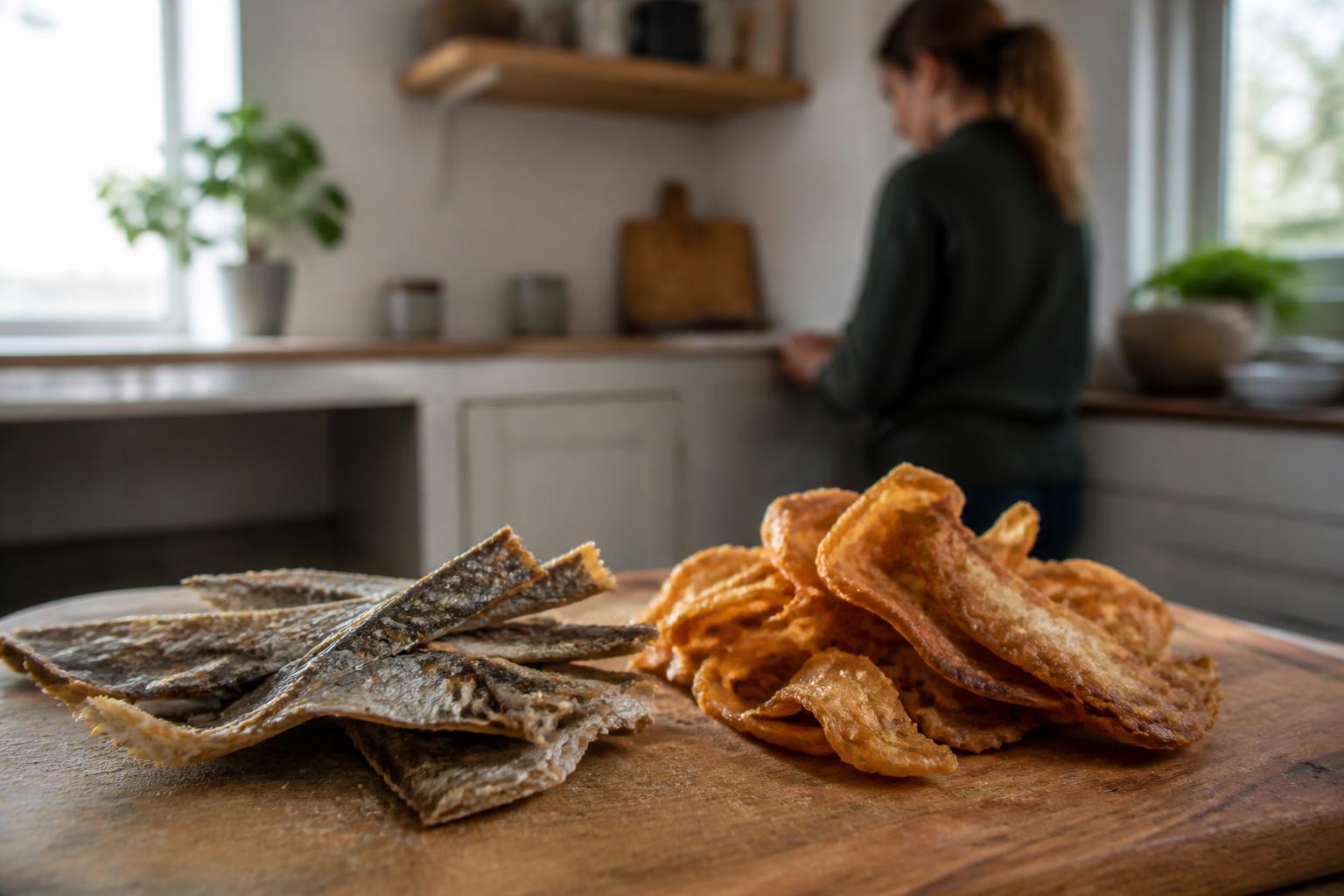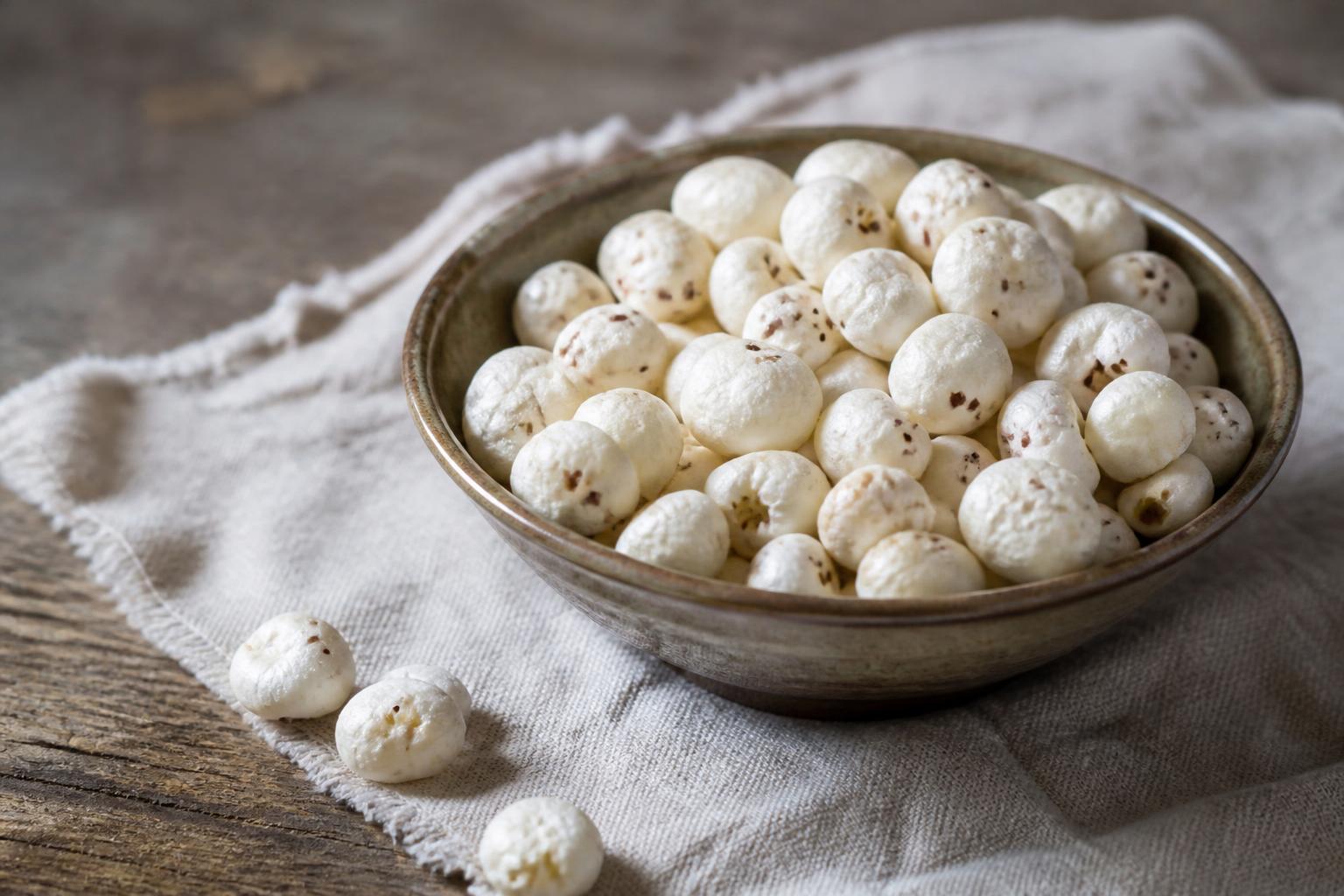

Some of the most useful desk drawer snacks are the ones that keep their shape, flavour and safety without any help from the office fridge. Nuts, seeds, oatcakes, wholegrain crackers, roasted pulses, dried fruit, nut butter sachets and a few well-chosen cereal or protein bars can all earn their place. The trick is not just finding food that survives a warm drawer, but choosing snacks that are satisfying enough to stop the 4pm biscuit drift.
When we talk about healthy snacks that do not need refrigeration, we mean foods that are shelf-stable, practical to portion, and made from ingredients that genuinely fill a gap between meals. That usually means looking for a sensible balance of fibre, protein and fat, keeping an eye on sugar and salt, and remembering that “healthy” still depends on how much of it you are actually eating.
What counts as a healthy snack if it stays out of the fridge?
A non-refrigerated snack is simply one that is designed to be stored safely at room temperature while unopened, and in many cases after opening too, if the pack is resealed properly. In a desk drawer, coat pocket, glove box or work bag, that matters more than clever branding. If a food needs chilling after purchase, or once opened, it is not a reliable no-fridge option for everyday use.
For a snack to feel worth keeping around, we think it needs to do three jobs.
First, it should be shelf-stable in a practical way. A rice cake that turns stale the moment the packet opens is less useful than a portioned pack of roasted chickpeas. A nut bar that melts into its wrapper every time the office heating comes on is technically portable, but not especially pleasant.
Second, it should be satisfying. That usually comes from texture and staying power. Crunch helps. Chew helps. A mix of fibre, protein or fats helps most of all. A handful of plain almonds will often keep you going longer than a sugary cereal bar that disappears in three bites.
Third, it should fit into real life. If it crumbles over your keyboard, needs a plate, or leaves you ravenous half an hour later, it is not doing the job.
Healthfulness is best judged without getting distracted by front-of-pack language. “Natural”, “high protein”, “baked”, “plant-based” and “source of energy” can all appear on products that are still heavy on sugar, salt, refined starch or very small portions. In the UK, food labels must give ingredients and nutrition information in a standard format, which makes comparison much easier than the marketing on the front would suggest.
A healthy shelf-stable snack is not a moral category. It is a practical one. We are usually looking for something that helps bridge meals, adds a bit of nutritional value, and does not turn into an accidental second lunch.
Which snack types usually work without refrigeration?
The best cupboard-friendly snacks tend to fall into a few familiar formats, each with strengths and weak spots.
Nuts and seeds are the obvious starting point. Almonds, walnuts, cashews, pistachios, pumpkin seeds and sunflower seeds all store well in sealed packs. They bring crunch, richness and decent staying power. Their main catch is portion size. Because they are energy-dense, it is very easy to eat two or three servings absent-mindedly while answering emails. Small sachets or pre-portioned tubs work better than a family bag in a drawer.
Roasted pulses are another strong option. Chickpeas, broad beans and peas often give you a crisp savoury bite with more fibre than many standard crisps. They can be genuinely handy if you want something salty and crunchy but a bit more substantial. Do still check the seasoning. Some are lightly salted, others are much saltier than they first appear.
Wholegrain crackers, crispbreads and oatcakes are useful because they pair well with other shelf-stable foods. On their own they can feel plain, but with peanut butter, a tahini sachet, or a small handful of nuts, they become a much more complete snack. Oatcakes in particular hold up well in a desk drawer and suit both sweet and savoury combinations.
Dried fruit has obvious advantages. It keeps well, travels easily and adds sweetness without needing a fridge. Raisins, apricots, dates, figs and apple rings can all be handy. The thing to remember is concentration. Once fruit is dried, it takes up less space and is easier to overeat. It is better used as part of a combination than as the whole snack. A few dried apricots with almonds is often more balanced than a large bag of sweetened dried mango eaten on its own.
Nut butter sachets are one of the most underrated drawer staples. Peanut, almond and mixed nut butters in single portions solve the freshness problem and turn crackers, oatcakes or even a banana bought that morning into something more filling. They are also tidier than keeping an open jar in a shared office kitchen.
Snack bars sit in the most mixed category. Some are essentially pressed nuts and dried fruit, some are oat-based, some are protein-focused, and some are much closer to confectionery than the packaging suggests. They are useful for emergencies and travel, but they need more label reading than almost any other format.
Popcorn can work brilliantly if you choose it carefully. Plain or lightly salted popcorn offers volume and crunch for relatively little weight, which makes it satisfying to eat. Sweet coatings and heavy flavourings can turn it into more of a treat food, which is fine sometimes, but not quite the same thing.
Seaweed snacks, freeze-dried fruit, baked lentil snacks and wholegrain cereal pots can also fit the brief. The issue is not whether they are trendy or traditional. It is whether they store well, taste good at room temperature and make sense as part of your day.
If you are building a wider routine around this, our guide to healthy savoury snacks that keep everyday choices simple pairs well with desk-drawer planning.
How do you tell from the label whether a snack is a sensible choice?
Start with the ingredients list. In the UK, ingredients are listed in descending order by weight at the point of manufacture. That means the first few ingredients tell you a lot. If you are buying oatcakes, you want oats to be near the top. If you are buying a nut bar, nuts should not be a token ingredient tucked behind glucose syrup.
Then look at the nutrition panel. For comparing products, the per 100g column is usually the clearest because portion sizes vary wildly between brands. For understanding what you will actually eat, check the per portion values too.
Fibre is a useful marker, especially for snacks built around grains, pulses, nuts and seeds. Under retained EU law still used in Great Britain, and under EU rules in Northern Ireland, a product can only claim to be a “source of fibre” if it contains at least 3g per 100g or 1.5g per 100 kcal, and “high fibre” if it contains at least 6g per 100g or 3g per 100 kcal. You do not need the claim on the front to use the numbers on the back, but those thresholds are handy context.
Protein can help with fullness, particularly in bars, roasted pulses and nut-based snacks. Again, do not assume a “high protein” label means the whole product is balanced. Some high-protein snacks are also high in sweeteners or saturated fat, or simply very small.
Sugar needs a bit of interpretation. A dried fruit and nut mix may show a fair amount of sugar because fruit naturally contains sugars. That is different from a snack where several forms of syrup, sugar or honey dominate the ingredients list. The UK traffic light system, when present, can help. Broadly, foods with more than 22.5g sugars per 100g are considered high in sugars, and 5g or less per 100g is low. Not every pack uses front-of-pack traffic lights, so you may need to rely on the back label.
Salt is especially worth checking in savoury snacks. Roasted nuts, crackers, popcorn and pulse snacks can vary a lot. On UK labels, more than 1.5g salt per 100g is considered high, and 0.3g or less per 100g is low. A desk snack does not need to be joyless, but very salty foods are easy to keep reaching for.
Portion size is where many “healthy” snacks quietly become less sensible. If a bar is sold as one portion, that is straightforward. If a bag claims to contain three servings but looks like one sitting, treat it with caution. The most useful snacks for work are often the ones already divided into realistic amounts.
It also helps to ask one plain question, what is this mainly made of? If the answer is oats, nuts, seeds, chickpeas or fruit, that usually tells you more than any wellness slogan.
For readers trying to make everyday eating less fiddly, we have also covered 10 healthy habits that make everyday eating feel easier.
How long can non-refrigerated snacks stay fresh and safe?
Freshness and safety are not the same thing, and it helps to separate them.
For commercially packed shelf-stable foods, safety is mostly about following the storage instructions and respecting the date mark. In the UK, “use by” is about safety and should be taken seriously. “Best before” is about quality. Many dry snacks are labelled with a best before date because they may lose crispness or flavour over time rather than become unsafe the day after the date passes.
Unopened packs of nuts, crackers, popcorn, dried fruit and bars are usually fine at room temperature until their marked date if stored in a cool, dry place. A desk drawer counts as long as it is not regularly overheating in direct sun or next to a radiator. Heat speeds up staling and can make nuts taste rancid sooner because their oils degrade.
Once opened, quality starts to shift. Crackers and oatcakes can go soft. Popcorn can lose its snap. Nuts and seeds can pick up stale flavours. Resealable packs help, but not indefinitely. If a snack smells odd, tastes bitter, or has lost its usual texture, it is better replaced.
Homemade snacks are the category where people often get too relaxed. If you make flapjacks, energy bites or home-roasted chickpeas, storage depends on the ingredients and moisture level. Dry bakes without fresh dairy can often keep for a few days in an airtight container. Snacks containing cream cheese, yoghurt, fresh fruit puree or anything that would normally live in the fridge should not be treated as desk-drawer food.
The same goes for partially used ingredients. An unopened nut butter sachet is shelf-stable. A pot of hummus is not. A sealed carton of long-life milk can stay in the cupboard until opened. After opening, it belongs in the fridge.
If the product says “refrigerate after opening”, follow that instruction. That is the manufacturer telling you how the food was tested and how long it remains safe and good quality. UK labelling rules require storage conditions to be given where they matter to safety or appropriate use.
A final practical point, office kitchens and shared cupboards are not always as cool or clean as home cupboards. If a snack has been open for weeks, exposed to moisture, or rattling around unsealed in a drawer, quality is likely to go long before safety becomes dramatic. Dry, sealed and portioned is the easiest rule to live by.
What are easy no-fridge snack combinations for work, travel and home?
The easiest combinations pair one crunchy or chewy base with something that adds staying power.
For work, keep it tidy and low effort. Try oatcakes with a peanut butter sachet. Wholegrain crackers with a handful of roasted broad beans. A small portion of almonds with two or three dried apricots. Plain popcorn with a seed mix. A fruit-and-nut bar with an extra clementine bought on the day, if you have access to fresh fruit.
For travel, think less about perfection and more about resilience. A homemade trail mix of unsalted nuts, seeds and a little dried fruit works well on trains and in the car. Roasted chickpeas and a banana are easy to carry. Crispbreads in a hard container with single-serve nut butter are much less messy than they sound. If you are flying, sealed commercial packs are often simplest.
For home, no-fridge snacks can still be useful even when the fridge is right there. They are handy for evenings when you want something quickly without defaulting to sweets, and for cupboards that need to work harder between shops. Try rye crispbreads with tahini and a drizzle of honey. Mix walnuts and dried figs for a richer, slower snack. Keep a tin of wholegrain cereal and add a few nuts and pumpkin seeds for a dry, crunchy bowlful.
If you like a sweeter finish, shelf-stable does not have to mean austere. A couple of oatcakes with almond butter and sliced pear bought that day feels far more put together than grabbing random biscuits from the tin. We have more ideas in our piece on healthy dessert snacks that feel like a treat.
The most useful desk drawer setup is usually a small rotation, not a heroic stash. One savoury crunchy option, one nut or seed option, one sweeter backup, and something portioned for emergencies is plenty. That way you are not relying on willpower, just better odds.
Healthy snacks that do not need refrigeration are not about turning your desk into a bunker of virtuous foods. They are about making the easier choice the one already within reach. When the drawer holds something crisp, satisfying and genuinely useful, the vending machine has a lot less charm.

Questions about this article or a correction to suggest? Get in touch. Read more about our editorial approach.