A healthy dessert snack should still feel like dessert. That usually means something sweet, creamy, crunchy, cold, soft, or a bit indulgent, but built from ingredients that do more than deliver a quick sugar hit. In real life, the best options tend to combine fruit, oats, yoghurt, nuts, seeds, cocoa, or dairy and plant foods that bring some fibre, protein or fat with them.
There is no single gold-standard choice that suits everyone. A good dessert-style snack for one person might be a yoghurt bowl after lunch, while someone else wants a freezer option in the evening or a cupboard snack they can throw into a work bag. What matters most is whether it fits your appetite, your routine, and the way you actually snack when life is busy.
What makes a dessert snack healthy in real life?
In practical UK terms, a healthier dessert snack is one that gives you some pleasure and some staying power. It is not just about calories, sugar, or whether the pack uses worthy-looking colours. It is about what the snack is made from, how filling it feels, and whether it helps you eat in a way that feels steady rather than chaotic.
That usually means looking for a few things at once.
First, ingredient quality matters. A snack based on oats, fruit, yoghurt, nuts, seeds, or pulses tends to offer more nutritional value than one built mostly from sugar, syrup, refined starch, and flavourings. That does not mean every ingredient has to sound saintly. Chocolate can still have a place. So can peanut butter, coconut, or a digestive biscuit crumb. The point is the overall balance.
Second, portion and purpose matter. A tiny pot that leaves you prowling the kitchen ten minutes later may not be doing much for you, even if the front says “light” or “under 100 calories”. Equally, a very dense “healthy” bar can be less useful as a quick sweet snack if it feels more like emergency trail food than dessert.
Third, context matters. If you want something after dinner, you may care more about satisfaction and texture than portability. If you need a mid-afternoon desk snack, mess, chill requirements, and shelf life suddenly matter a lot more. We cover that same real-world trade-off in our guide to healthy snack ideas for adults that actually fit real days.
There is also the question of individual needs. Someone trying to keep fuller for longer may do better with more protein and fat. Someone with a sensitive stomach may prefer simpler ingredients and smaller portions. Someone managing blood sugar may find that pairing sweet foods with protein or fibre works better than eating sugary foods on their own. In the UK, food labels can help with some of this, but they cannot tell you how your own appetite responds.
And there is no need to chase perfection. A bowl of Greek yoghurt with berries and crushed cereal can be a healthy dessert snack. So can apple slices with peanut butter and a few dark chocolate chips. So can a frozen banana and cocoa blend, or a rice pudding-style pot made with oats and chia. The healthiest option is often the one you genuinely enjoy enough to choose again.
The ingredients that make sweet snacks more satisfying
The difference between a snack that feels like a proper treat and one that feels thin or unsatisfying often comes down to structure. Sweetness alone rarely carries a snack very far. Fibre, protein, fat, and water-rich ingredients help give it body.
Fibre is one of the biggest helpers. It adds bulk and slows things down a bit, which can make a sweet snack feel steadier. Fruit, oats, chia seeds, ground flaxseed, nuts, and some higher-fibre cereals all contribute here. Fibre also changes texture. It can make a bowl more spoonable, a bite more chewy, and a fruit-based snack less fleeting.
Protein helps with staying power. Dairy yoghurt, skyr, quark, kefir, soy yoghurt, milk, nuts, seeds, and nut butters can all bring some protein into a dessert-style snack. That does not mean every sweet snack needs to be a protein project. It just means a little protein often helps it feel more complete. If you want to look more closely at that side of snacking, our guide to healthy high-protein snacks that actually fit real life goes into the trade-offs in more detail.
Fat is often what makes a sweet snack feel rounded rather than worthy. Nut butter, full-fat yoghurt, chopped nuts, seeds, tahini, or even a small amount of dark chocolate can add richness and slow the rush of sweetness. This is where many “diet” desserts fall flat. Remove all the fat, keep plenty of sweetener, and you can end up with something that tastes busy but feels oddly empty.
Water-rich ingredients are underrated. Berries, melon, oranges, kiwi, stewed apples, pears, and yoghurt all add volume and freshness without making a snack heavy. That can be especially useful if you want something generous-looking in a bowl. A handful of raspberries folded through yoghurt does more for the experience than a teaspoon of syrup ever will.
Texture matters too. A dessert snack becomes far more satisfying when it has contrast. Think creamy yoghurt with toasted oats. Soft banana with chopped walnuts. Cold grapes with a square or two of chocolate. A chia pot with crushed cereal on top. Crunch and chew slow you down and make the snack feel more intentional.
Sweetness, of course, still plays a role. But it does not have to come only from sugar. Fruit brings sweetness with water and fibre. Cinnamon, vanilla, cocoa, and citrus zest can make a snack taste more dessert-like without relying on loads of syrup or sweetener. Cocoa powder in particular is useful for turning everyday ingredients into something that feels more pudding-adjacent.
A balanced sweet snack often looks less dramatic than the packaging on shop shelves suggests. It is usually a simple combination of something creamy, something fruity, something chewy or crunchy, and enough flavour to feel like a treat.
Which healthy dessert snack formats work best day to day?
Different formats solve different problems. The best one is not the trendiest, it is the one that works at the moment you want it.
Fruit pots are probably the easiest place to start. Fresh fruit, chopped fruit, or fruit with a topping is accessible, quick, and flexible. It is also naturally water-rich, which helps with volume. On its own, though, fruit can be a bit fleeting as a dessert snack. Add yoghurt, nuts, seeds, or a crumble of oats, and it becomes more satisfying. Fruit pots are especially useful at home or in a lunch bag with a cool pack.
Yoghurt bowls are one of the most reliable formats for healthy dessert snacks because they are easy to customise. They can be thick and creamy, light and fresh, or somewhere in between. Plain Greek yoghurt with honey and berries, skyr with stewed apple and cinnamon, or soy yoghurt with banana and peanut butter all work well. The main thing to watch is that some flavoured yoghurts sound healthier than they are, especially when they are marketed as low fat but rely heavily on sugar or sweeteners for flavour.
Oat-based bites, flapjack-style squares, energy balls, and oat bars are handy when you need something portable. They travel well, they feel snacky, and they often bring fibre and chew. But they vary wildly. Some are basically biscuits in activewear. Others are dense enough to feel more like fuel than dessert. Oats are useful, but they do not automatically make a bar balanced. Look at what else is in there, especially syrups, dried fruit load, nut content, and portion size.
Frozen options are brilliant when you want a dessert feeling, not just a snack function. Frozen grapes, banana slices with yoghurt, yoghurt bark, fruit lollies, or a small bowl of defrosted berries with thick yoghurt all feel more treat-like than many packaged snacks. Temperature changes the whole experience. Cold foods can feel slower, more refreshing, and more pudding-like. The trade-off is convenience. They are usually best at home, not on the go.
Puddings made from ordinary ingredients sit somewhere in the middle. Chia pots, overnight oats with cocoa, rice pudding-style oat bowls, or blended fruit and yoghurt cups can work well if you like a spoonable snack that feels a bit more composed. These formats are useful for people who want to prep a few portions ahead without relying on highly processed snack packs.
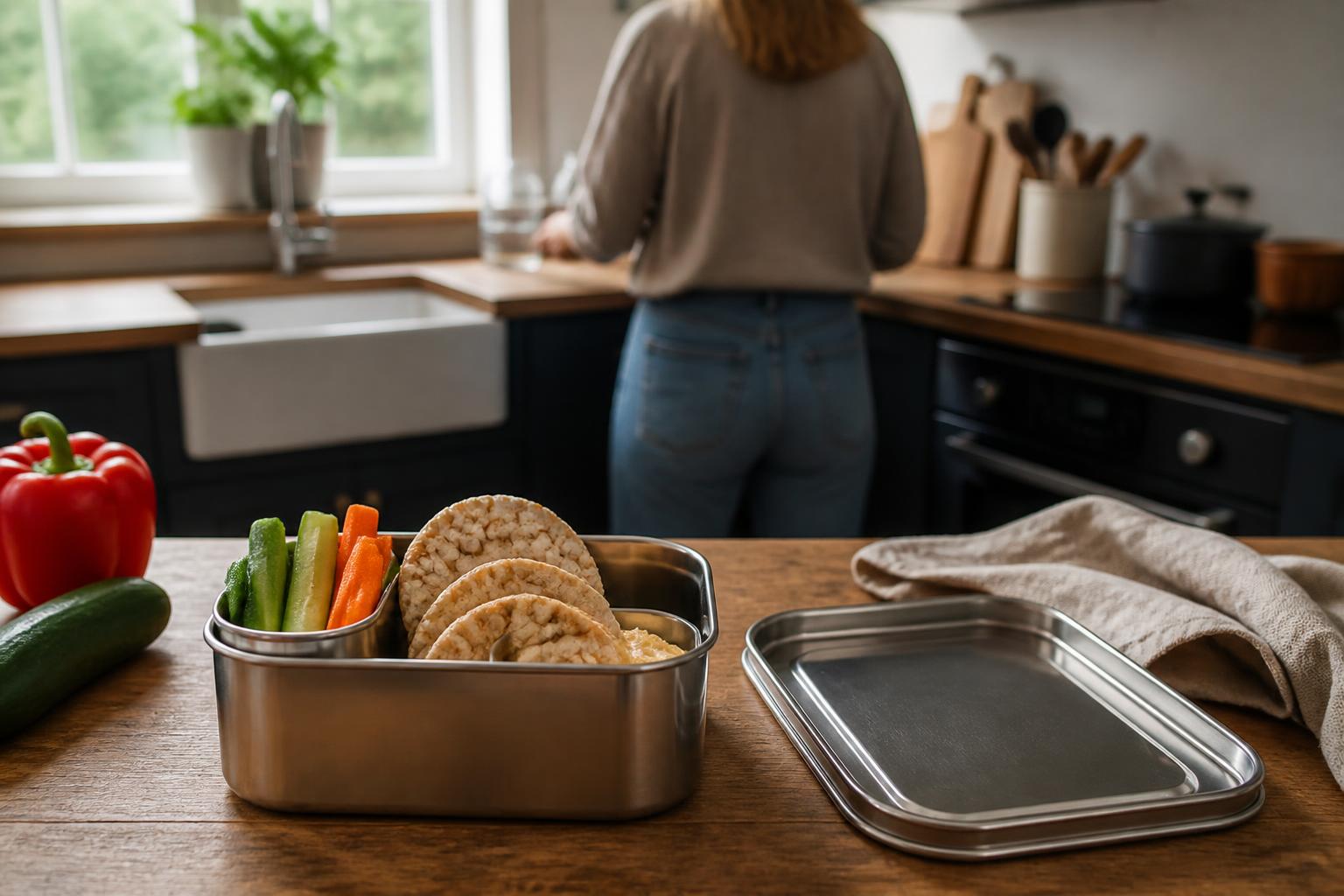
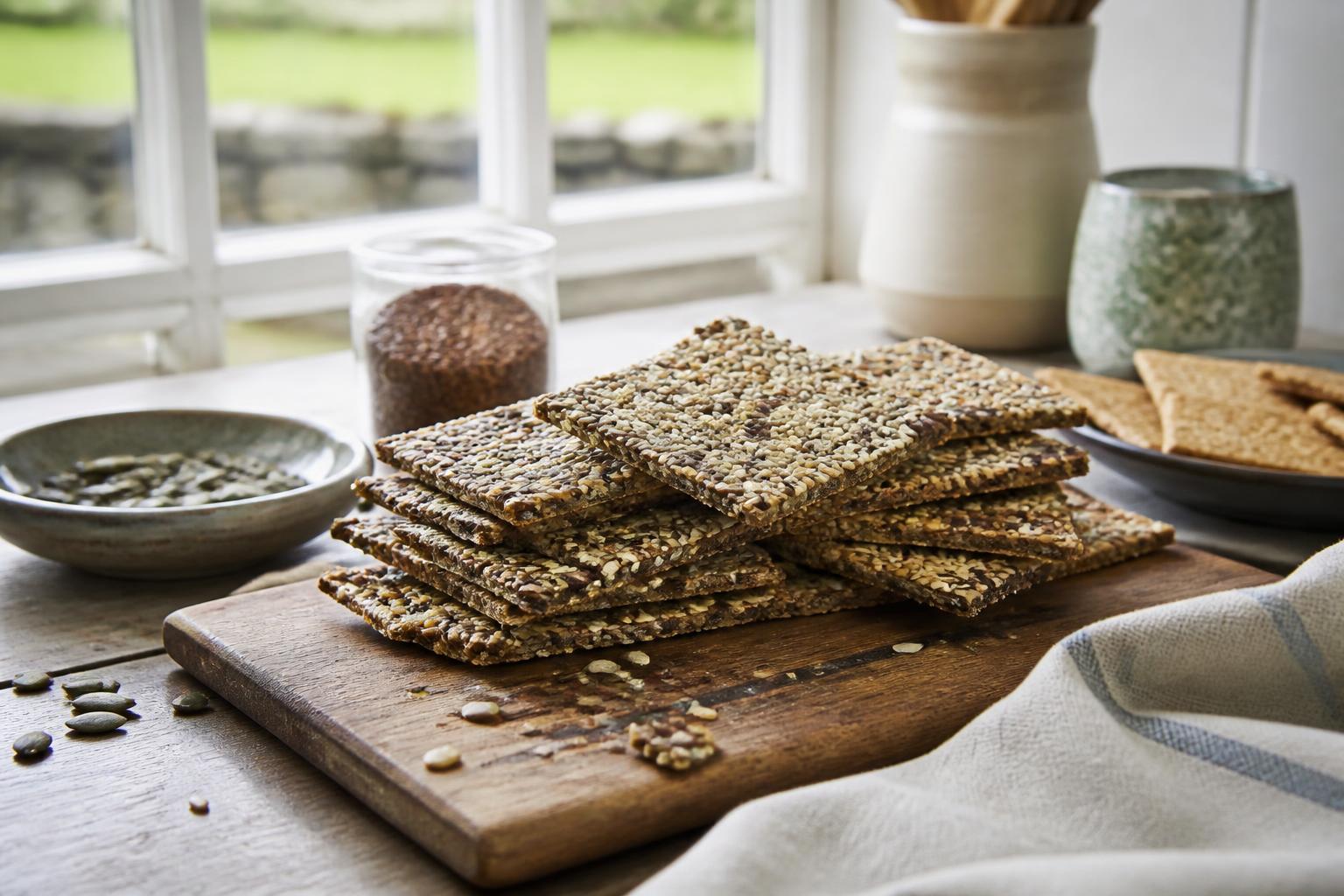
Then there are crunchy sweet snacks, cereal clusters, crispbreads with toppings, granola pots, and similar hybrids. These can be very useful if texture is what makes a snack satisfying for you. A crispbread with ricotta and sliced figs, or oatcakes with nut butter and banana, can hit the dessert note without pretending to be a formal pudding. If you like the practical side of crisp textures in everyday eating, our piece on crunchy work snacks that cope without a fridge covers formats that travel well.
In day-to-day life, the winners are usually the formats that match the setting. At home after dinner, frozen and spoonable options shine. At work, bars, bites, and sturdy fruit combinations are easier. For a quick sweet finish to lunch, yoghurt bowls and fruit pots are hard to beat.
How to spot health halos on sweet snacks
Sweet snacks are a magnet for health halos. Packaging knows exactly how to whisper “good choice” while distracting you from what is actually inside.
“Natural” is one of the biggest examples. In the UK, the word can create a wholesome impression, but it does not automatically mean lower in sugar, less processed, or more filling. A natural fruit bar made mostly from puréed dates can still be very sugary and not especially satisfying on its own.
“High protein” is another one. This can be a genuinely useful feature, but only if the whole product makes sense. A high-protein pudding with a long ingredient list, lots of sweeteners, and a texture you do not actually enjoy is not automatically a better dessert snack than plain yoghurt with fruit and chopped nuts. Protein is helpful, not magical.
“No added sugar” often needs a second look. In the UK, this claim has a specific meaning under retained food information rules, broadly that no sugars have been added and the product does not contain ingredients used for their sweetening properties. But it does not mean sugar-free. A snack can still be high in naturally occurring sugars from fruit purées, juices, or concentrated ingredients. It can also still be easy to overeat if it is soft, sweet, and not very filling.
“Low fat” can be equally misleading. Fat is not the enemy in a dessert snack. In many cases, a moderate amount of fat from yoghurt, nuts, seeds, or cocoa makes the snack more satisfying and better balanced. When fat is stripped out, products often lean harder on sugar, starch, gums, or flavourings.
“Source of fibre” sounds promising, but check how much fibre you are actually getting and what the product is otherwise made from. A fibre claim does not erase a long list of syrups or make a tiny portion more substantial.
Front-of-pack traffic lights can help, but they are not the whole story. In the UK, these labels are voluntary rather than mandatory, unlike some assumptions people make from seeing them so often. They are useful for comparing similar products, especially sugars and saturates, but they do not tell you much about texture, satiety, or whether the snack genuinely works as a dessert-style option.
Ingredient order is often more revealing. If sugar, glucose syrup, fruit juice concentrate, or refined flour dominates the first few ingredients, that tells you something. If the product leads with yoghurt, oats, nuts, seeds, or fruit in recognisable forms, that usually tells you something too.
A simple test helps. Ask whether the product sounds like food or marketing. “Greek yoghurt, strawberries, oats, almonds” is fairly clear. “Indulgent wellness bites with natural energy and gut-loving goodness” tells you almost nothing.
How to build a healthier dessert snack from what you already have
You do not need specialist powders, niche sweeteners, or a freezer full of virtuous mini pots. Most healthier dessert snacks can be built from ordinary ingredients already hanging around the kitchen.
Start with a base. This could be yoghurt, skyr, quark, soft cheese, porridge oats, chia seeds, rice cakes, oatcakes, crispbread, fruit, or even a slice of toast if that is what is there. Then add something sweet, something satisfying, and something that makes it feel like dessert rather than a random assembly job.
A few easy mix-and-match ideas:
Yoghurt plus fruit plus crunch. Plain or lightly sweetened yoghurt with berries, chopped apple, pear, mango, or banana, then topped with toasted oats, granola, seeds, nuts, or crushed cereal.
Nut butter plus fruit. Apple or banana with peanut butter or almond butter. If you want more of a treat feel, add cinnamon, cocoa, or a few dark chocolate shavings.
Oats plus creamy topping. A small bowl of porridge or overnight oats with cocoa, cinnamon, grated apple, raisins, or frozen berries. Add yoghurt or a spoon of nut butter to make it more substantial.
Ricotta or soft cheese plus sweet toppings. Ricotta with honey and chopped figs, cottage cheese with pineapple, or soft cheese on crispbread with sliced strawberries. It sounds slightly old-school, but it works.
Frozen fruit combinations. Frozen berries with yoghurt, banana slices dipped in yoghurt and refrozen, or frozen grapes with a few nuts on the side. These are especially good when you want something cold and sweet in the evening.
Toast or crackers with dessert toppings. Wholemeal toast with tahini and honey. Oatcakes with banana and cinnamon. Crispbread with yoghurt cheese and stewed fruit. Sweet snacks do not have to come in bowl form.
Cereal remixes. A small amount of a crunchy cereal you enjoy, paired with yoghurt and fruit, often works better than eating a large dry bowl and still wanting pudding afterwards.
Tinned fruit can help too, especially in the UK where cupboard fruit is a realistic backup. Choose fruit in juice rather than syrup where possible, drain it well, and pair it with something creamy or crunchy so it feels like a proper snack rather than a compromise.
If you want a chocolate note, think accent rather than avalanche. Cocoa powder, dark chocolate chips, cacao nibs, or a grated square of chocolate can shift the mood of a snack quickly. The same goes for cinnamon, vanilla extract, orange zest, and a pinch of sea salt.
The most useful approach is to build around what you are likely to keep buying. If you always have apples, yoghurt, oats, and peanut butter in the house, that is your dessert snack toolkit. If you prefer freezer food, keep berries and banana slices ready. If you need work-friendly options, use sturdier formats at home and save the spoonable ones for later.
Healthy dessert snacks do not need to be austere, expensive, or endlessly optimised. They just need enough sweetness to feel fun, enough substance to feel worthwhile, and enough practicality to earn a place in real life. When a snack does all three, that is usually the one we come back to.

Questions about this article or a correction to suggest? Get in touch. Read more about our editorial approach.