Eating well usually gets easier when we stop treating it like a grand reset and start treating it like a string of ordinary decisions. The most useful habits are not dramatic. They are the ones that make breakfast less skippable, lunch less random, snacks less frantic, and evenings less likely to end in standing at the cupboard door with a packet in hand.
That is why these 10 healthy habits matter. They help everyday eating feel steadier, more satisfying and less loaded with guilt. For most UK adults, the goal is not perfection. It is building a routine that works on a Monday, survives a late train on Wednesday, and still leaves room for crisps, toast, pudding and the odd pub meal.
What counts as a healthy habit in real life?
In real life, a healthy habit is a small action you can repeat often enough that it starts to feel automatic. It is not a heroic burst of motivation. It is something like eating breakfast before your second coffee, adding a handful of salad to your sandwich, keeping a decent snack in your bag, or plating up dinner before you sit down.
The reason this matters is simple. Our eating patterns are shaped far more by repetition than by one especially virtuous lunch. A balanced meal once a week does not steady your appetite. A regular pattern of meals usually does. Likewise, one overindulgent afternoon does not ruin anything, unless it turns into the story you tell yourself about having "blown it" and therefore giving up until Monday.
Consistency beats perfection because appetite is not neat and life is not neat. Work runs late. Children refuse what they loved yesterday. Trains are delayed. Someone brings in doughnuts. A habit that still works when the day goes sideways is more valuable than a perfect plan that only survives ideal conditions.
Healthy habits also need to fit your actual tastes, schedule and budget. If you hate overnight oats, they are not your answer. If you never have time to cook lunch from scratch, then a supermarket meal deal with one or two smarter swaps may be a better foundation than an unrealistic prep routine. Good habits are practical before they are impressive.
Start with meals that make snacking less chaotic
A lot of chaotic snacking starts long before the snack itself. It starts when breakfast is skipped, lunch is too small, or dinner is delayed until everyone is already so hungry that the biscuit tin starts calling.
Regular meals can smooth this out. That does not mean eating by the clock with military precision. It means having a rough structure so your body is not repeatedly swinging from under-fuelled to ravenous. For many adults, that looks like breakfast, lunch, dinner, and one or two snacks if needed. Some people genuinely prefer two larger meals and a snack. The key is that you are not leaving yourself stranded for hours and then expecting excellent judgment in front of crisps, chocolate, or whatever is easiest to grab.
Balanced plates help too. A meal tends to keep us going better when it includes a source of protein, some fibre-rich carbohydrate, and either fruit, vegetables, or both. In UK terms, that could be porridge with yoghurt and berries, beans on toast with cherry tomatoes, a baked potato with tuna and salad, or a chicken wrap with leaves and peppers. It does not need to look like a textbook. It just needs enough substance to stop an hour-later scramble.
Simple planning is often enough. Think less meal prep mountain, more gentle scaffolding. Check what is in the fridge. Keep a few fallback foods in the house. Know which lunch you can assemble in five minutes. Have an answer for that awkward late afternoon stretch. If you want more ideas for routines that work outside an idealised kitchen, our guide to healthy habits that actually fit a busy UK day goes deeper into that reality.
Which 10 healthy habits are worth trying first?
If you want a sensible place to begin, these are the healthy habits we would try first. They are small enough to stick, useful for most adults, and flexible enough to adapt. Evidence is strongest where habits support overall diet quality, regular eating patterns, fibre intake, fruit and veg intake, and reducing ultra-automatic overeating. It is less certain when claims drift into miracle territory, such as one specific superfood changing everything on its own.
1. Eat at fairly regular times
You do not need a strict timetable, but a loose rhythm can help appetite feel less erratic. If you regularly skip meals and then crash into the afternoon hungry and distracted, eating earlier or more consistently is often the first fix.
Practical example: if lunch keeps slipping to 2.30 pm, keep something substantial for 12.30 pm or 1 pm, even if it is only a sandwich, yoghurt and fruit.
2. Build meals around what fills you up
Meals that combine protein, fibre and enough total food are usually more satisfying than meals built around quick, light nibbles. This is not about eating huge portions. It is about making meals do their job.
Practical example: swap plain toast for toast with eggs or peanut butter, or upgrade a bowl of soup with bread and a side salad.
3. Add fruit or vegetables where they fit naturally
The UK advice to aim for at least five portions of fruit and veg a day is still a useful anchor. You do not have to turn every meal into a rainbow tray bake. Just look for the easy adds.
Practical example: banana with breakfast, cucumber in a sandwich, frozen peas stirred into pasta, or an apple with cheese in the afternoon.
4. Keep one or two reliable snacks nearby
A planned snack is often more helpful than pretending you will not need one. This is especially true if you commute, work shifts, or have long gaps between meals.
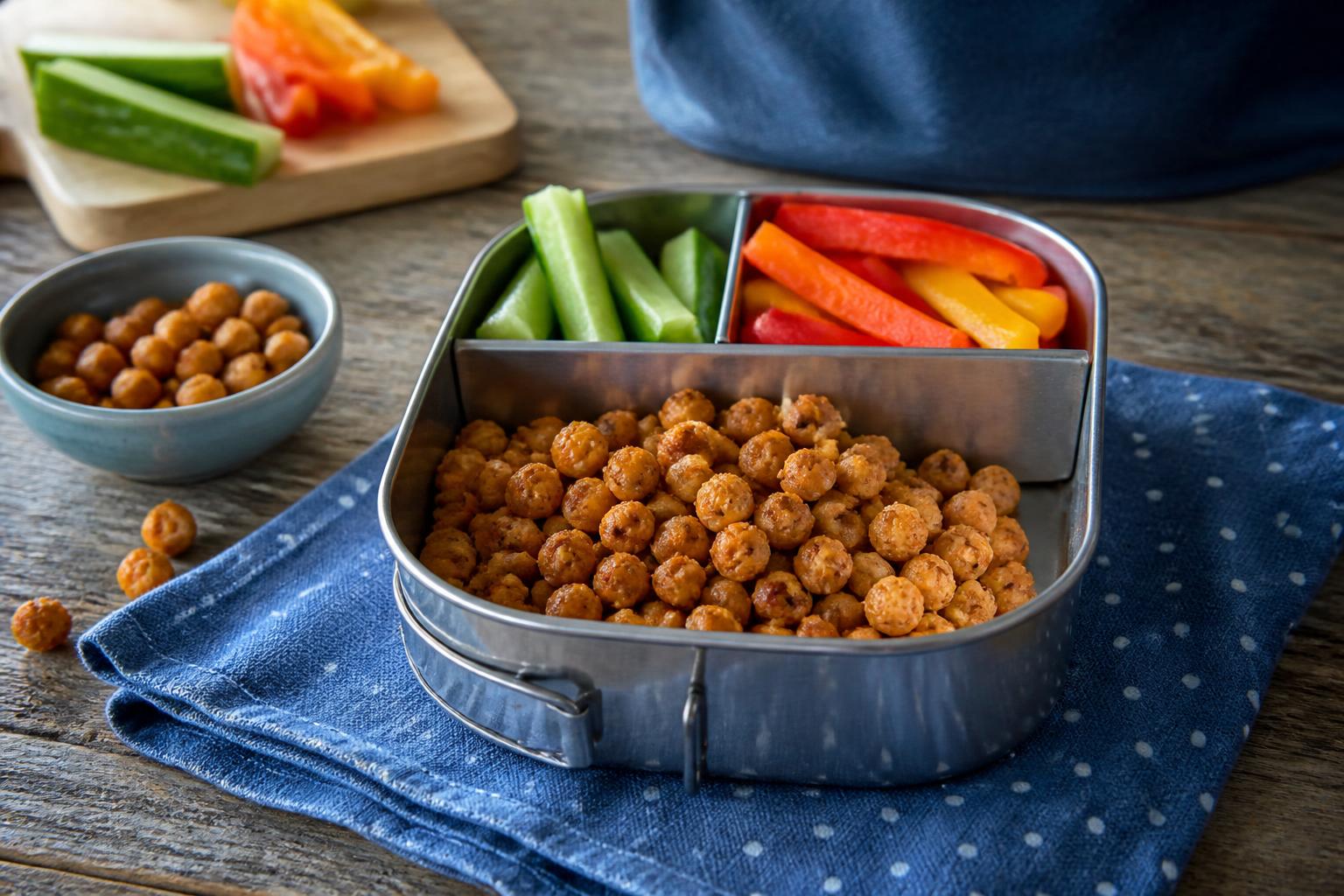
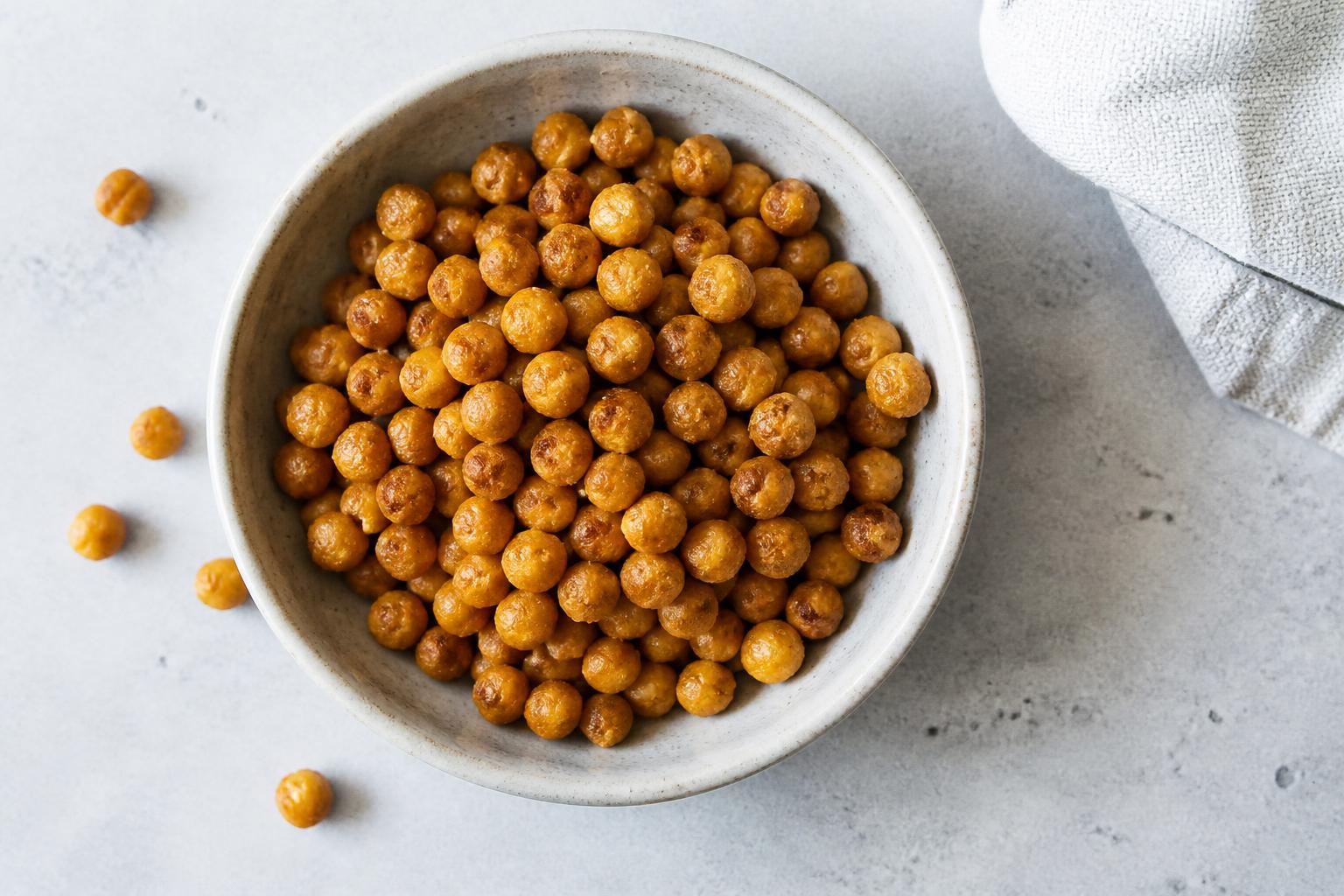
Practical example: nuts, roasted chickpeas, a pot of yoghurt, oatcakes, fruit, or a small savoury snack that actually appeals. If you are weighing up options, our piece on healthy savoury snacks that keep everyday choices simple can help.
5. Drink regularly, especially if you forget
Not every craving is thirst, but being slightly dehydrated can make you feel off, tired or peckish. UK guidance does not require everyone to hit exactly the same amount each day because needs vary with weather, activity and health, but many adults simply do better when fluids are not an afterthought.
Practical example: keep water, squash, tea, or another low sugar drink within reach during the working day. If you drink a lot of caffeinated drinks, pair them with a glass of water now and then.
6. Make the easier choice genuinely easy
Willpower is unreliable at 4 pm. Environment matters more. If the foods you want to eat more often are visible, ready and appealing, you are more likely to choose them.
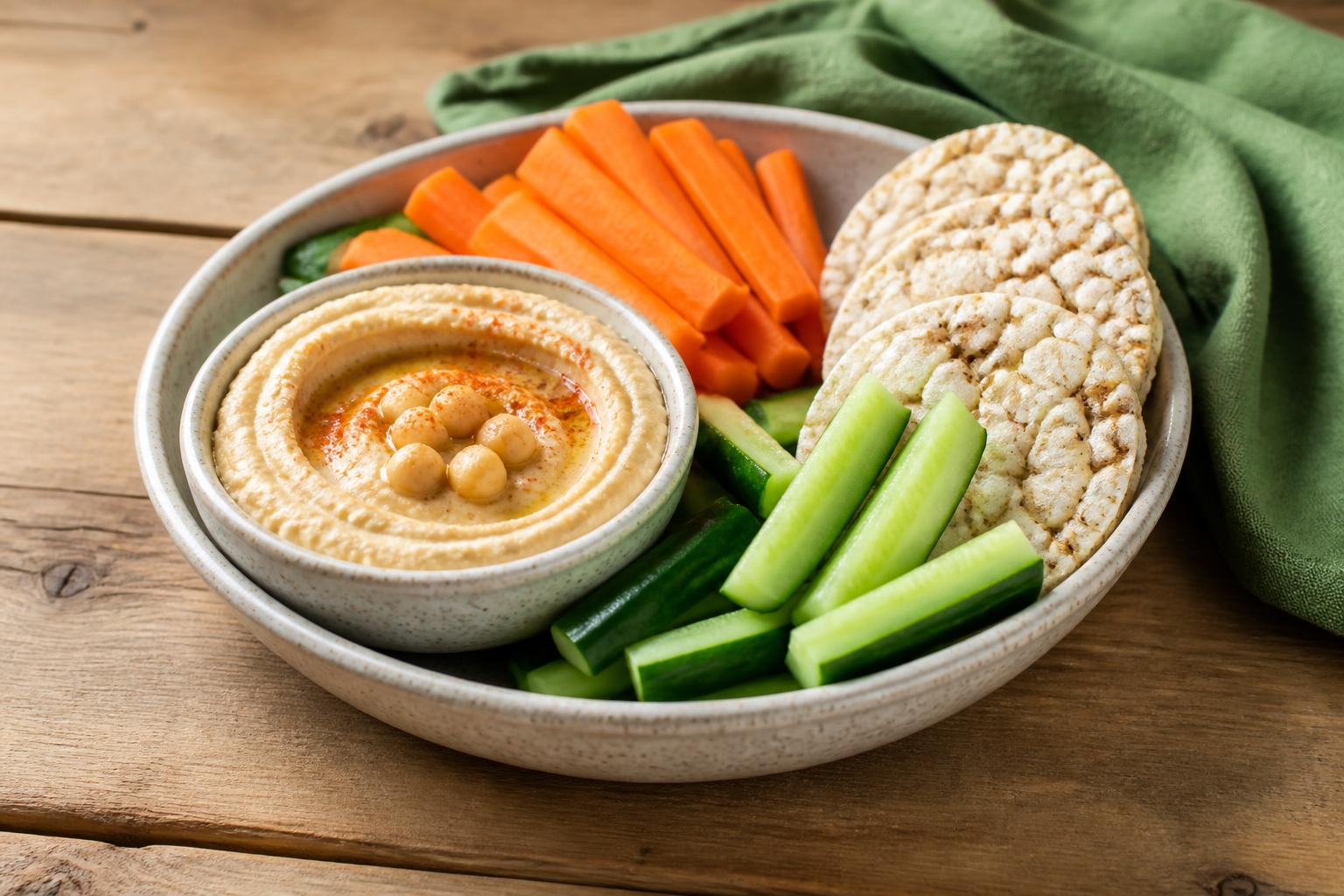
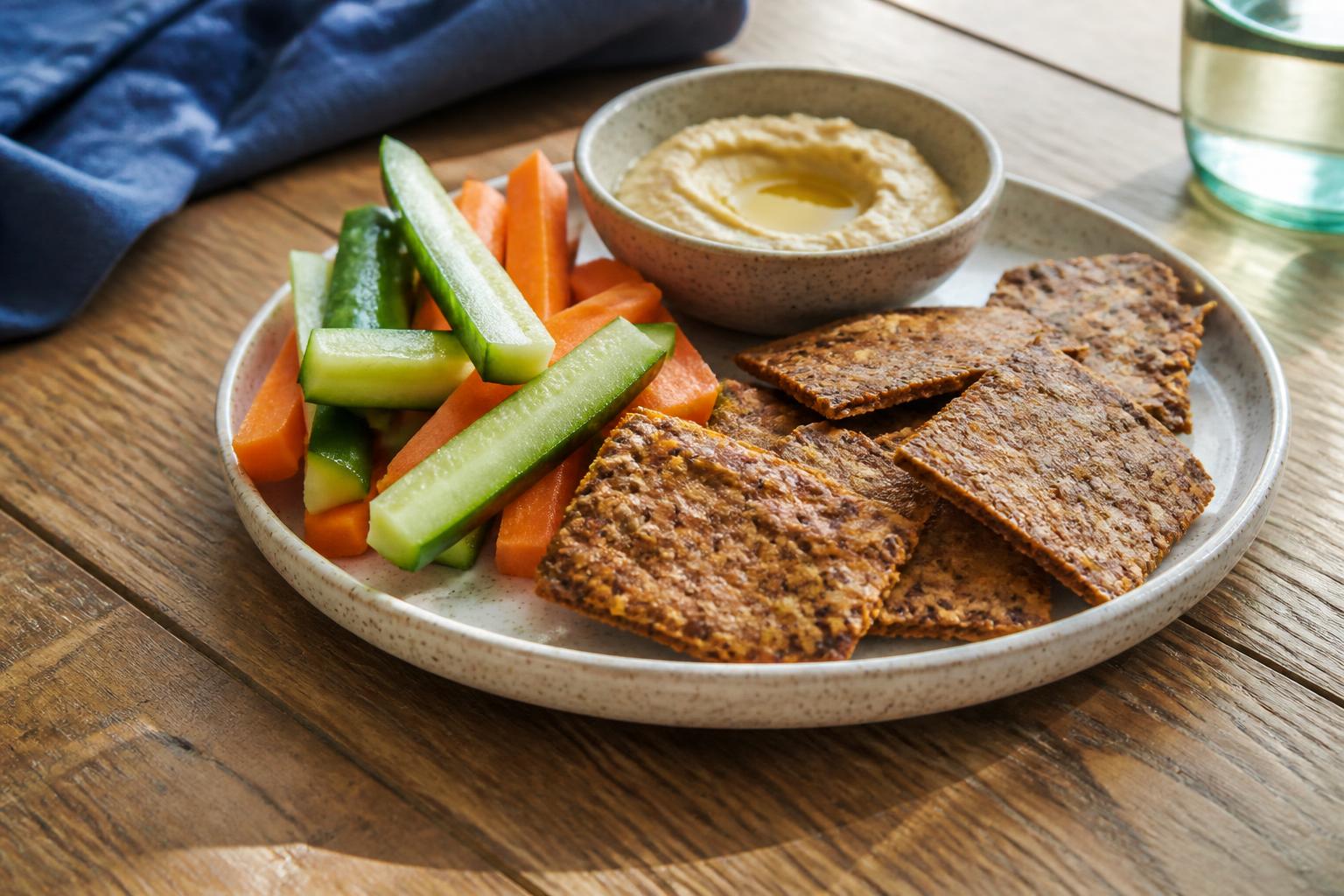
Practical example: wash grapes when you get home, portion crackers into tubs, keep hummus at the front of the fridge, or store biscuits out of immediate sight rather than on the counter.
7. Slow down enough to notice when you are satisfied
Mindful eating can sound a bit floaty, but the practical version is straightforward. If every meal is eaten while replying to emails or driving, it is harder to notice satisfaction and easier to keep picking.
Practical example: sit down for at least one meal a day, plate it properly, and pause halfway through before automatically going back for more.
8. Stop labelling foods as morally good or bad
Evidence is weaker when nutrition advice turns moralistic, because shame rarely improves eating patterns for long. In fact, all-or-nothing thinking often makes people swing harder between restraint and overeating.
Practical example: instead of deciding that crisps are "naughty", decide when and how you enjoy them. Maybe they belong with a sandwich at lunch, or in a bowl next to a bean chilli on Friday night.
9. Use repeat meals when life is busy
Variety is lovely, but decision fatigue is real. Having a few repeat breakfasts, lunches and emergency dinners reduces friction and frees up brain space.
Practical example: porridge on weekdays, jacket potatoes twice a week, and a freezer standby such as fish fingers, peas and oven chips for nights when cooking ambition has vanished.
10. Aim for progress across the week, not perfection in every meal
This habit matters because it protects all the others. A healthy routine is not wrecked by one takeaway or one office birthday cake. It is strengthened when you return to your usual pattern without drama.
Practical example: after a heavy meal out, simply eat your next meal as normal. No punishment salads. No skipping breakfast to compensate.
How do snacks fit into a healthy routine?
Snacks fit perfectly well into a healthy routine. For many people, they make the routine work. They can bridge a long gap between meals, stop us arriving at dinner absolutely starving, add nutrition where meals have been patchy, and bring a bit of pleasure to the day.
The useful question is not whether snacking is good or bad. It is whether a given snack suits the moment. A snack that tides you over on a train home serves a different purpose from a snack eaten because lunch was tiny, and both are different again from a snack chosen purely because something crunchy sounds excellent with a film.
All of those can have a place.
Where snacks become less helpful is when they are doing the work that meals should have done, or when they happen so automatically that we barely notice them. If you are grazing all afternoon because lunch was a cereal bar and a coffee, the answer may be a better lunch, not stricter snack rules.
It also helps to stop treating snacks as a moral test. A yoghurt and berries snack is not virtuous in some saintly way. A packet of crisps is not a personal failure. Context matters. Portion, frequency, satisfaction and overall pattern matter. If a crunchy snack keeps you cheerful and stops a random raid on six other things, that is useful information.
For readers who like practical comparisons, we have looked in more detail at are nuts a healthy snack for everyday eating? because they are one of those foods that sound simple but raise sensible questions about fullness, portions and convenience.
A balanced snack often combines at least two of these: carbohydrate for quick energy, protein or fat for staying power, and fibre for substance. Think apple and peanut butter, crackers and cheese, yoghurt and fruit, or a small handful of nuts with a satsuma. But there is also room for snacks that are there mainly for enjoyment. Food does not need to justify itself with a nutrient spreadsheet every time.
How can you make healthy habits stick when life gets busy?
The best habits survive busy periods because they are tied to cues, stripped of friction, and forgiving when interrupted.
Start with cues. A cue is simply the thing that reminds the habit to happen. It works better to attach a new habit to something that already exists than to rely on memory alone. If you want to eat breakfast more regularly, your cue might be putting oats beside the kettle the night before. If you want a more reliable afternoon snack, your cue might be packing it when you make your lunch, not hoping you will remember at 8.17 am on the way out the door.
Next, remove friction. If the healthy option takes three steps and the less helpful option takes one, guess which usually wins. Chop vegetables in advance if that helps. Keep freezer staples. Buy snack formats you genuinely enjoy. Store lunch ingredients together on one shelf. Use the same shopping list each week for your basics.
This is where repetition beats novelty. You do not need a brand new breakfast every morning. You need one that is easy enough to happen. The same goes for snacks. If you know you like crisp textures, lean into that with options that satisfy the craving while still fitting your day. Texture matters. Crunch can make a snack feel more substantial and enjoyable, which is one reason people often find it easier to stick with routines that include foods they actually look forward to.
It also helps to plan for disruption rather than pretending it will not happen. Travel, illness, deadlines, school holidays and social plans all knock routines sideways. A strong routine includes a fallback version. Maybe your usual lunch is homemade, but your fallback is a supermarket sandwich, a boiled egg pot and fruit. Maybe your usual dinner is cooked from scratch, but your fallback is beans on toast with bagged salad. That still counts.
Recovery matters too. Missed habits do not need a dramatic response. If yesterday was all meetings and vending machine choices, today is simply another chance to eat breakfast and pack a snack. The quicker you return to your normal pattern, the less power disruption has.
Finally, make habits pleasant. People stick with routines that feel good enough to repeat. That may mean choosing a bowl you like, buying the crunchy snack you genuinely enjoy, sitting by a window for lunch, or keeping a stash of easy ingredients that make weekday food feel less like a punishment. Healthy eating that feels relentlessly austere rarely lasts.
Small changes, repeated often, are what make everyday eating feel easier. That is the heart of these 10 healthy habits. Not a perfect fridge. Not a flawless week. Just a steadier, tastier, more workable way to feed yourself on ordinary UK days.

Questions about this article or a correction to suggest? Get in touch. Read more about our editorial approach.