Low-carb snacking does not need to mean joyless tubs of plain nuts or a permanent calculator in your hand. In everyday UK shopping, it usually means choosing snacks where the carbohydrate content is modest for the portion, the sugars are not doing all the work, and the snack still feels satisfying enough to stop you rummaging for biscuits half an hour later.
That is why the best low carb healthy snacks are rarely about one magic number. They are about ingredients, portions, labels and context. A small pack of cheese crisps, a boiled egg with cucumber, or a pot of Greek yoghurt with a few seeds can all make sense. So can some crunchy options, if you know what to look for and what the front of pack claims are not telling you.
What counts as a low-carb healthy snack?
In practical UK terms, a low-carb snack is simply one that keeps total carbohydrate fairly low for the amount you actually eat. There is no single official UK cut-off that turns a snack into “low carb” in every setting. Unlike some nutrition claims, there is no universal legal definition for a snack category that everyone has to follow on pack.
That matters, because 100g figures can make foods look lower or higher in carbohydrate than they feel in real life. A dense seed cracker might look moderate on a per 100g basis, but you may only eat 25g at a time. A yoghurt pouch may look fine until you notice the whole pouch is the portion and the sugars add up quickly.
For many adults comparing snacks on a supermarket shelf, a useful starting point is to look at carbohydrate per serving and per 100g together. If a snack lands at roughly 5g to 10g of carbohydrate per portion, many people would consider that lower carb in everyday terms. Between 10g and 15g can still be reasonable, depending on what else is in it, especially if it also brings protein, fibre or a decent level of satiety. Once you move much higher than that, you are usually into snacks where carbohydrate is doing more of the heavy lifting.
“Healthy” needs the same practical treatment. A low-carb snack is not automatically a balanced one. Pork crackling may be very low in carbohydrate, but that does not mean every bag is a strong everyday choice if the salt is high and the portion vanishes in six bites. Equally, a snack with some carbohydrate is not automatically less useful if it contains fibre, protein and ingredients you would happily recognise in your own kitchen.
For us, the sweet spot is straightforward. A sensible low-carb snack keeps carbs lower than the average cereal bar, biscuit pack or sweet yoghurt, while still being enjoyable, portable and realistic for normal days.
Which snack ingredients naturally keep carbs lower?
When you want crunchy, everyday snacks without piling on carbohydrate, the ingredient list matters more than the wellness language on the front.
The ingredient groups that naturally keep carbs lower tend to be these:
Cheese and dairy-based ingredients
Cheese crisps, baked cheese bites, cottage cheese, plain Greek yoghurt and strained yoghurt are all worth a look. Cheese is naturally low in carbohydrate and brings protein and fat, which can help a snack feel more substantial. Plain yoghurt is usually lower in sugar than flavoured versions, especially where fruit purée or syrups have been added.
Crunch-wise, baked cheese snacks can scratch the same itch as crisps, just with a very different nutrition profile. Yoghurt is less crunchy on its own, but works well with a small sprinkle of seeds or a few chopped nuts.
Eggs
Boiled eggs are one of the simplest lower-carb snacks going. They travel reasonably well for a day out if kept chilled, they pair with crunchy veg, and they do not need much dressing up. Egg muffins and mini frittatas can do the same job at home or at work.
Nuts and seeds
Almonds, walnuts, pecans, sunflower seeds, pumpkin seeds and chia all tend to be lower in carbohydrate than grain-based snack foods. They also add crunch, which is often what people actually want when they say they are craving a snack.
Portion size matters here. Nuts are easy to overpour, and once they become a large handful plus a refill, you are no longer having a quick snack. Seed crackers can be useful too, though recipes vary wildly. Some are mostly seeds, some are still driven by starches. If you want a closer look at what separates one pack from another, our guide to comparing seed crackers without guesswork breaks down what to check.
Meat and fish
Chicken pieces, sliced turkey, tuna pots, salmon, and some jerky or biltong products can fit well. These are often high in protein and low in carbohydrate by nature. The catch is the extras. Sweet marinades, sticky glazes and some flavoured jerkies can push sugars up more than you would expect. Salt can also be high.
Vegetables with lower carbohydrate content
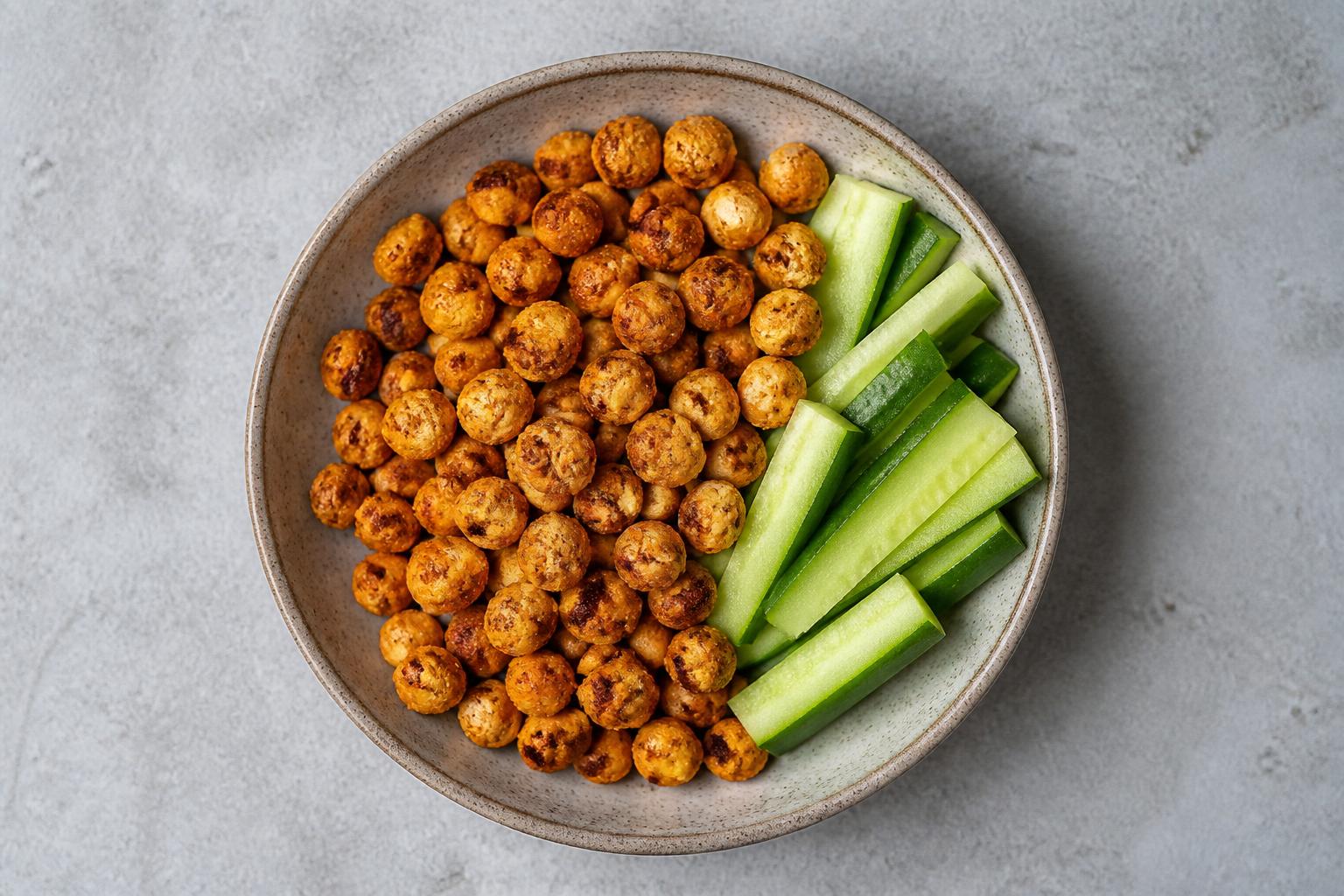
Cucumber, celery, peppers, radishes and cherry tomatoes are useful for volume and crunch. They are especially handy when paired with a dip or protein source. Carrots are still nutritious, of course, but if you are specifically trying to keep carbs lower, cucumber and celery will usually come in lower.
Olives, avocado and dips
Olives are naturally low in carbohydrate and very easy to pack. Avocado is also low in carbohydrate and can work mashed onto seed crackers or stuffed into lettuce leaves. Dips such as hummus vary. They are not ultra low carb, but in small portions they can still fit, especially if they help you eat crunchy veg rather than a stack of pitta chips.
The main ingredients that usually push snacks higher in carbohydrate are grains, flours, oats, rice, corn, potato, dried fruit, syrups and added sugars. None of these are villains, but they do tend to shift a snack away from the lower-carb end of the shelf.
How do you read UK labels without getting misled?
UK labels can be helpful once you know where to look. They can also be slightly slippery if you only read the front.
Start with the nutrition table on the back or side of pack. In the UK, this usually gives values per 100g and often per portion too. The line to find first is “carbohydrate”, then the line under it, “of which sugars”.
A few practical rules help.
Compare per 100g first, then sense-check the portion
Per 100g is the fairest way to compare two similar products. If one cracker has 12g carbohydrate per 100g and another has 38g, you already know they are playing different games.
Then check the portion. Manufacturers can choose serving sizes that make numbers look tidier. If the suggested portion is tiny, ask yourself whether that is what you would actually eat. A 15g serving of crunchy bites may be technically correct and completely useless in real life.
“Of which sugars” is not the whole story
A snack can be low in sugar and still high in starch. Many savoury crackers, crisps and baked snacks are not sugary, but they can still be carbohydrate-heavy because of potato, rice or flour. If you only scan the sugar line, you can miss that.
That is why people looking for low carb healthy snacks need to check total carbohydrate, not just sugar.
Fibre changes how filling a snack feels
In UK and EU labelling, fibre is listed separately rather than subtracted from carbohydrate on the main line. This is where UK packs differ from some US nutrition labels, where “net carbs” are often discussed and fibre may be handled differently in marketing language. On a UK pack, the carbohydrate figure is already presented according to UK and EU rules, so do not assume you should subtract fibre yourself because someone online said so.
Fibre matters because it often improves satiety and can make a crunchy snack feel more substantial. A cracker with seeds and fibre is often a better bet than a puffed starch snack with the same calories and much more carbohydrate.
Protein can make a snack more useful
If a snack is lower in carbohydrate but also brings protein, it is often easier to build into a workday. Cheese, eggs, yoghurt, nuts and meat snacks tend to score well here. If you are trying to avoid the cycle of snack now, snack again soon, protein helps. We have covered that in more depth in our guide to healthy high-protein snacks that actually fit real life.
Salt deserves a quick check
A lot of crunchy savoury snacks lean hard on salt for flavour. That does not rule them out, but it is worth comparing packs if you eat them often. A lower-carb snack that is very salty may still be fine occasionally, but perhaps not as your default desk drawer habit.
Watch for front of pack shortcuts
“Natural”, “protein-packed”, “keto-friendly”, “no added sugar” and “gluten free” can all appear on products that are still fairly high in carbohydrate, high in salt, or simply small for the price and portion. None of these phrases tells you enough on its own.
The shortest route is this: read ingredients, check carbohydrate per 100g, check the realistic portion, then look at fibre, protein and salt.
What are sensible low-carb snack ideas for real life?
This is where lower-carb snacking either becomes useful or ridiculous. If every snack idea requires a chopping board, three storage tubs and a specialist online order, it will not survive a Wednesday.
Here are combinations that work in ordinary life.
At home, between meals
Cheddar slices with cucumber and radishes give you salt, crunch and enough substance to feel like a proper pause rather than a nibble.
Plain Greek yoghurt with a spoonful of chopped walnuts or pumpkin seeds is simple and flexible. If you want a sweeter edge without turning it into dessert, a few berries go a long way.
A boiled egg with celery sticks and a little cream cheese is neat, filling and not remotely complicated.
Seed crackers with cottage cheese and black pepper work well when you want something that still feels like a proper crunchy snack rather than a plate of ingredients.
Olives with a few cubes of feta and sliced pepper are useful when you are hovering near the fridge and want something savoury that does not drift into toast.
For workdays and office drawers
Portioning helps. A small tub of almonds or mixed seeds is far easier to manage than a family bag on your desk.
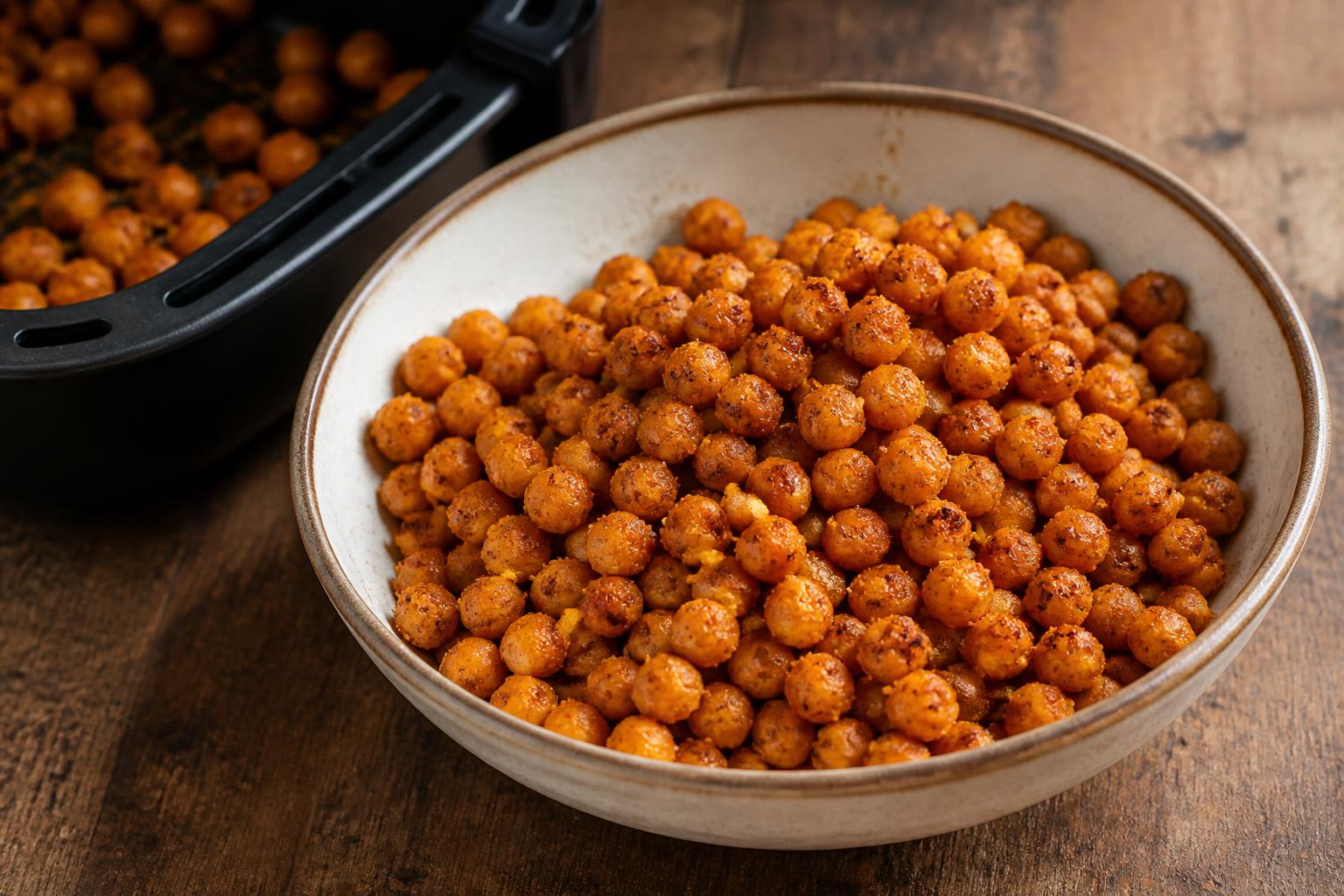
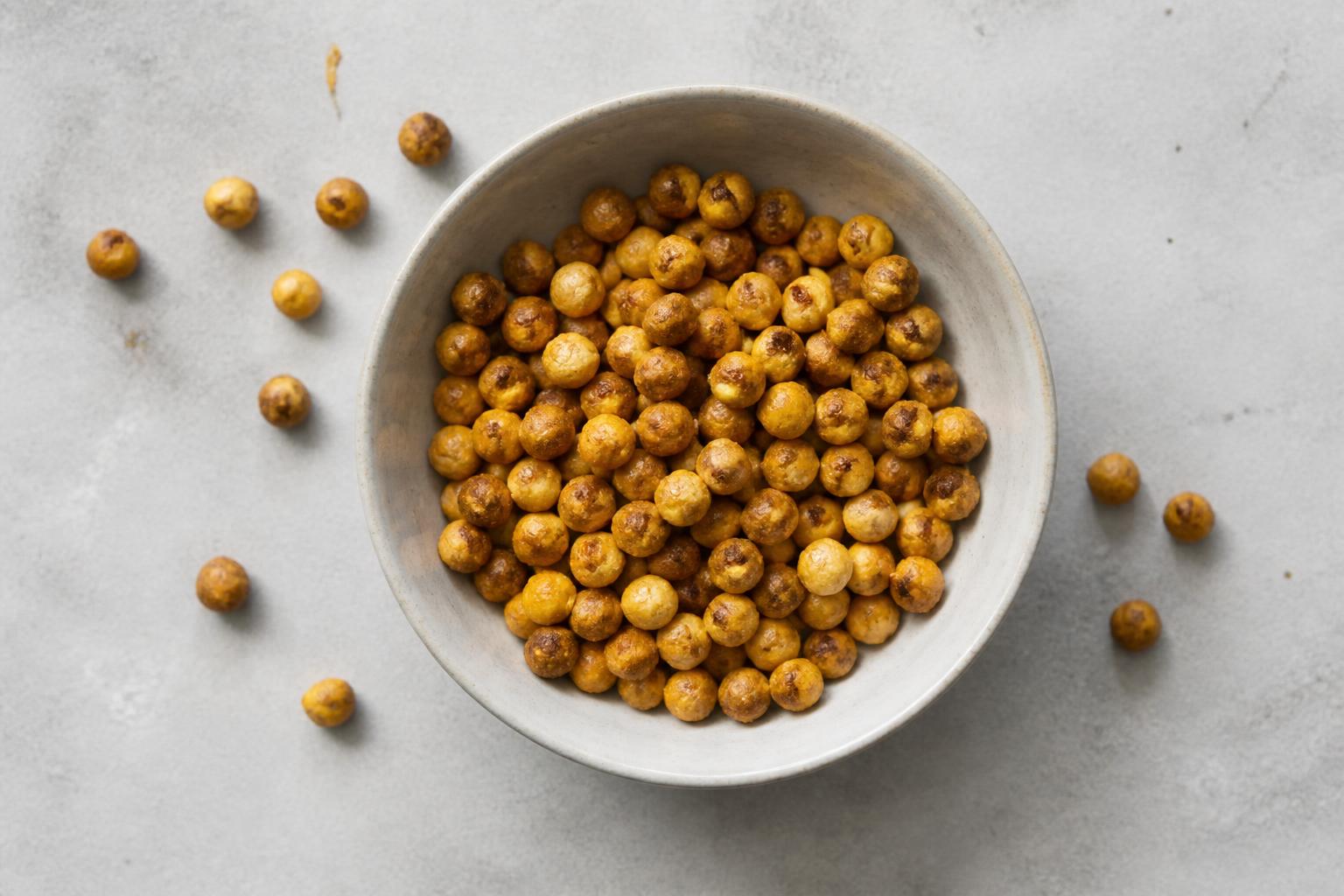
Shelf-stable cheese crisps or roasted broad beans can be useful, though broad beans are usually higher in carbohydrate than cheese or nuts, so labels matter. Some people are happy with that middle ground if the portion is sensible and the crunch is good.
Single-serve tuna or salmon pots can work if your office kitchen is forgiving and your colleagues are patient. Pair with cucumber or a few seed crackers.
If you need ideas that fit busier routines more broadly, our round-up of healthy snack ideas for adults that actually fit real days covers combinations that do not fall apart by mid-afternoon.
For travel and on-the-go
The easiest portable lower-carb options are nuts, seeds, cheese crisps, mini cheese portions, olives in pouches, jerky with a careful label check, and hard-boiled eggs if you can keep them cool.
If you are stopping at a service station or grabbing something from a supermarket on the move, a plain yoghurt pot, a packet of cooked chicken, a cheese snack, or a ready veg pot will often do a better job than the “healthy” flapjack section.
For flights and long train journeys, dry snacks tend to win. Nuts, seed crackers, cheese crisps and biltong are less messy than dips and cut veg.
For evening snacking
This is where people often want crunch most of all. If you are trying to keep carbs lower in the evening, texture matters.
A bowl of salted cucumber slices with cream cheese and cracked pepper sounds modest, but it gives a clean crunch and a savoury finish.
Cheese crisps or parmesan-style crisps can stand in for conventional crisps when you want that brittle, salty snap.
A small plate of nuts and olives is more satisfying than it sounds if you serve it properly rather than picking at packets.
If your evening cravings skew sweet rather than savoury, it can help to think beyond low carb alone. Our guide to picking low-sugar snacks that still feel satisfying is useful when the biscuit tin starts calling.
When is low carb useful and when is it overcomplicated?
Lower-carb snacking can be genuinely useful when you notice the same pattern repeating. You eat a cereal bar or a couple of sweet biscuits, feel briefly sorted, then need another snack not long after. Choosing snacks with less carbohydrate and more protein, fat or fibre can make that cycle less dramatic.
It can also help if you simply prefer savoury foods and want options that feel steadier during a busy day. Plenty of people are not trying to follow a strict low-carb diet. They just want fewer sugar-heavy or flour-heavy defaults and more snacks that keep them going.
It may be particularly practical for people who already know that certain carb-heavy snacks leave them hungry, sleepy or peckish again too soon. In those cases, changing the snack format can be more helpful than chasing perfect numbers.
Where it becomes overcomplicated is when every gram turns into a moral issue. Not every apple needs replacing with a cheese crisp. Not every cracker needs interrogating like a tax return. And not every snack has to be ultra low carb to be a good choice.
Strict rules can also make social eating, travel, family life and basic convenience harder than they need to be. If a snack is slightly higher in carbohydrate but made from recognisable ingredients, gives decent fibre, and stops you buying three less helpful things later, that can still be a win.
We find the most workable approach is a middle one. Know which ingredients tend to keep carbs lower. Learn how to read the label properly. Keep a few reliable options around. Then use common sense. The point of low-carb healthy snacks is not to create another layer of food admin. It is to make everyday choices simpler, crunchier and a lot less guessy.

Questions about this article or a correction to suggest? Get in touch. Read more about our editorial approach.