If you want snacks that are lower in sugar and still genuinely satisfying, the trick is not to chase anything with the fewest grams of sugar on the pack. The better approach is to look for a mix of crunch, fibre, protein or fat, and a portion that fits your day. A snack can be low in sugar and still leave you peckish ten minutes later. It can also contain some natural sugar and still be a very sensible choice.
For most of us, the best healthy low sugar snacks are the ones that feel easy to reach for on an ordinary Tuesday. Think roasted pulses, nuts, seed crackers, plain or lightly seasoned popcorn, oatcakes with a savoury topping, or yoghurt paired with something crunchy. They work because they do more than avoid sweetness. They give you texture, substance and enough staying power to stop the snack turning into a pre-dinner rummage.
What counts as a healthy low-sugar snack?
In everyday UK shopping terms, “low sugar” usually starts with the nutrition panel. Under UK food labelling rules, a food can be described as low sugar if it contains no more than 5g sugars per 100g for solids, or 2.5g sugars per 100ml for liquids. That is a useful benchmark, but it is not the whole story.
First, the label usually lists “sugars”, not just added sugar. That total includes sugars naturally present in ingredients such as fruit, milk and some vegetables. A plain yoghurt may show sugars because lactose is naturally there. A snack with dried fruit may show a higher sugar figure even if no table sugar has been added. So we need to read beyond the front of pack claim.
Second, “healthy” is broader than sugar alone. A lower-sugar snack can still be very salty, very low in fibre, or so light and airy that you end up eating half the bag without noticing. Equally, a snack that is not technically low sugar might still be a balanced choice if the portion is modest and the ingredients bring something useful, such as wholegrains, nuts or protein.
A practical way to judge a snack is to ask three quick questions.
Is the sugar level modest for the amount you actually eat?
Does it offer something satisfying, such as fibre, protein, crunch or richness?
Would you recognise it as food rather than a sweet delivery system in a clever packet?
That last point matters more than it sounds. Plenty of snacks are marketed with words like “natural”, “protein” or “lightly sweetened” while still leaning heavily on syrups, fruit purées or coatings that make them eat more like confectionery. We are not trying to ban sweetness from life. We are trying to spot the difference between a snack that supports your day and one that simply tastes virtuous.
Why sugar is only one part of the snack picture
Sugar affects sweetness and can make a snack very easy to overeat, but satisfaction comes from several moving parts.
Fibre is one of the biggest. Snacks based on pulses, wholegrains, seeds and vegetables usually take more chewing and feel more substantial. That matters when you want a snack to bridge a gap rather than vanish in three bites. Fibre also tends to travel with structure. A seeded cracker, a handful of roasted chickpeas, or a bowl of plain popcorn has more presence than a sticky cereal bar with a similar calorie count.
Protein helps too, especially if your snacks often need to carry you through a busy afternoon. This does not mean every snack needs to be a mini gym meal. It does mean that snacks with yoghurt, cheese, nuts, seeds, edamame or roasted broad beans often feel steadier than snacks built mostly from starch and sweetener. If you want more ideas in that direction, our guide to high-protein snacks that actually fit real life goes into the formats that work well without becoming a chore.
Fat also plays a useful role. Nuts, seeds, peanut butter and full-fat dairy can make a small snack feel rounded and satisfying. The point is not to add fat for the sake of it. It is to recognise that a little richness can stop you chasing satisfaction elsewhere. A dry rice cake with nothing on it may be lower in sugar than peanut butter on oatcakes, but it may also leave you scanning the biscuit tin half an hour later.
Salt deserves a mention because it changes how “moreish” a snack feels. Lower sugar does not automatically mean balanced if the product leans hard on salt and flavourings to compensate. In the UK, you can use the nutrition panel to compare salt per 100g across similar products. Compare crackers with crackers, popcorn with popcorn, roasted pulses with roasted pulses. One product may look healthier because it is lower in sugar, but if it is dramatically saltier and no more filling, the trade-off may not be worth it.
Energy density matters as well. A very light snack can look generous in volume but disappear fast. A very dense snack can be nutritious but easy to overshoot if you eat from the bag. This is where portion size comes in. The best snack is not always the one with the cleanest numbers per 100g. It is often the one where a realistic portion feels enough.
That is why healthy low sugar snacks usually work best when they combine at least two of the following, crunch, protein, fibre, or a bit of fat. It is a more reliable recipe for satisfaction than sugar reduction alone.
How to read UK labels without overthinking it
The easiest way to read a label is in layers.
Start with the nutrition table per 100g. This lets you compare products fairly, even if one bag says the serving is 20g and another says 37g. Look first at “of which sugars”. For a savoury snack, a low figure is usually expected. For a fruit-based or dairy-based snack, context matters more.
Then check fibre, if it is listed, and protein. Fibre is not always mandatory on every panel in the same way energy, fat, saturates, carbohydrate, sugars, protein and salt are typically shown, but many packs include it. A snack with some fibre or protein often does a better job of keeping you going.
Next, look at salt. In the UK, front of pack traffic light labels can help if they are present, but not every product uses them. If they are there, they are useful for a quick scan. If not, the back of pack table is still enough.
After that, read the ingredients list. Ingredients are listed in descending order by weight at the point of manufacture. If sugar, glucose syrup, honey, date paste, fruit juice concentrate or a similar sweetener appears near the top on a product that is pretending to be wholesome and savoury, that tells you plenty. You may also see sweeteners such as steviol glycosides or sucralose in some lower-sugar products. Whether you avoid those is a personal choice, but it is worth noticing if the product relies on them heavily.
Be careful with serving sizes. A pack may look low in sugar because the serving is tiny. If you know you will eat the whole bag, judge the whole bag. This sounds obvious, but serving sizes are where many supposedly smart choices become less convincing.
A few UK-specific points help here. Since the UK has its own food labelling regime post-Brexit, some packs still look very similar to EU labels, but there can be differences in claims and presentation depending on where the product is sold. For everyday shopping, the practical bit stays the same, compare per 100g, then sense check against the portion you actually eat. The legal threshold for “low sugar” as a claim aligns with the familiar standard, but we would still rather you use the panel than trust the front of pack wording.
One final shortcut, compare like with like. Do not compare seed crackers with yoghurt raisins and then wonder why the numbers are odd. A better method is to compare the snack you are considering with the sort you would normally buy. If you want help doing that with cracker-style snacks, our guide to comparing seed crackers without guesswork makes the label-reading much less fiddly.
Which snack ingredients tend to work well?
Some ingredients consistently show up in lower-sugar snacks that still feel cheerful to eat.
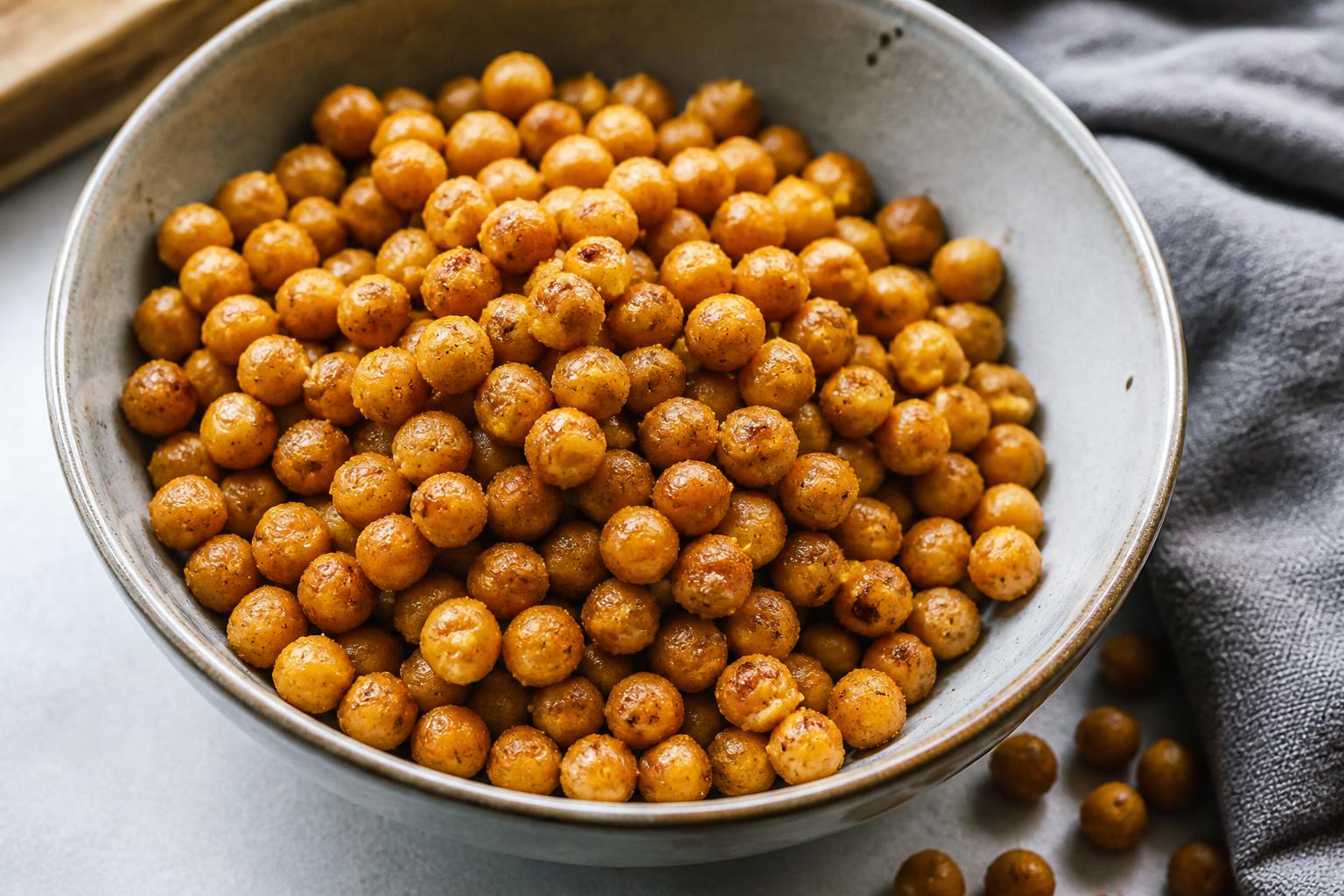
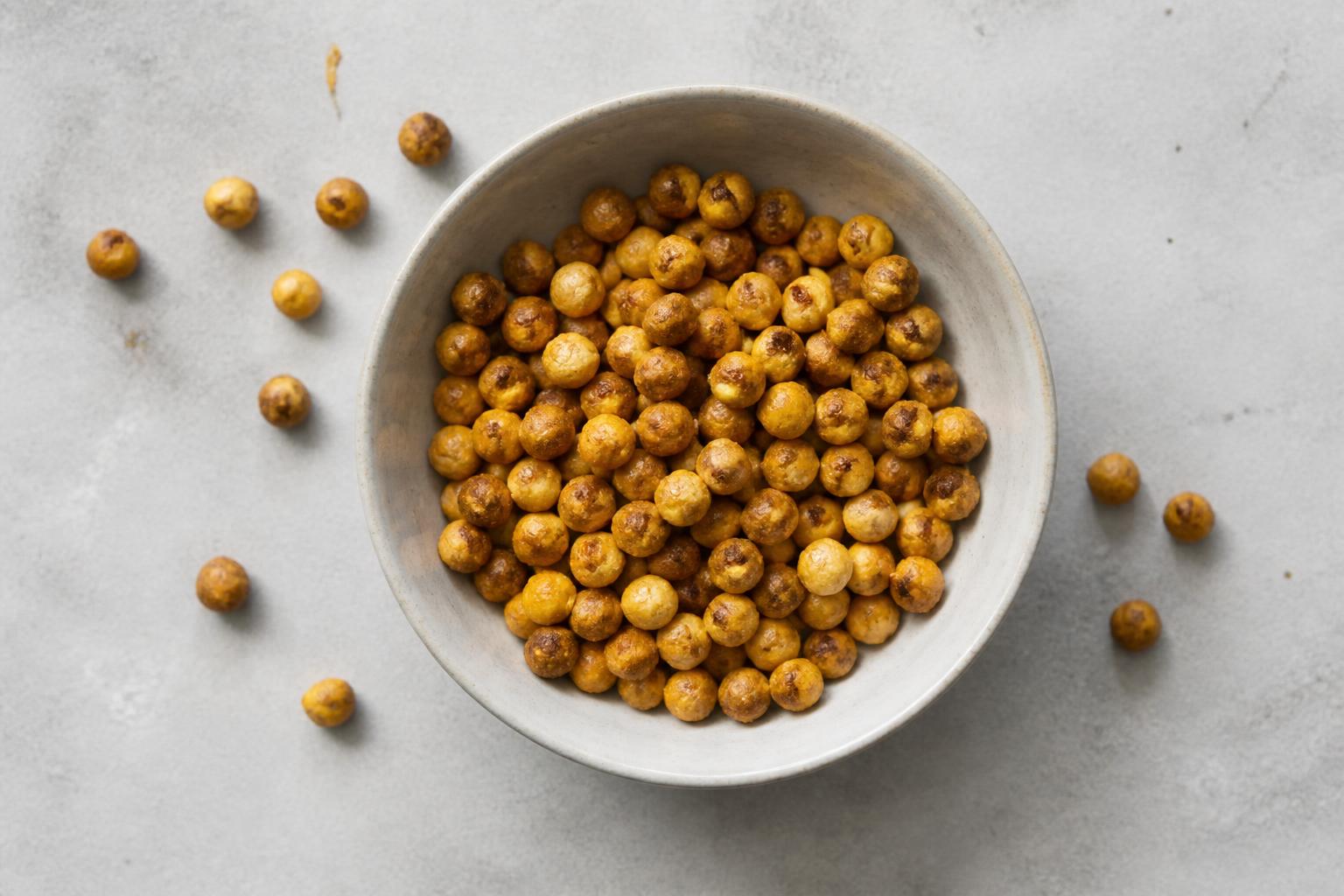
Pulses are one of the best. Roasted chickpeas, broad beans and lentil-based snacks can bring crunch, fibre and a bit of protein without needing much sweetness to be enjoyable. They also take seasoning well, so you can get smoky, herby or spicy flavours instead of the usual sweet-salty seesaw.
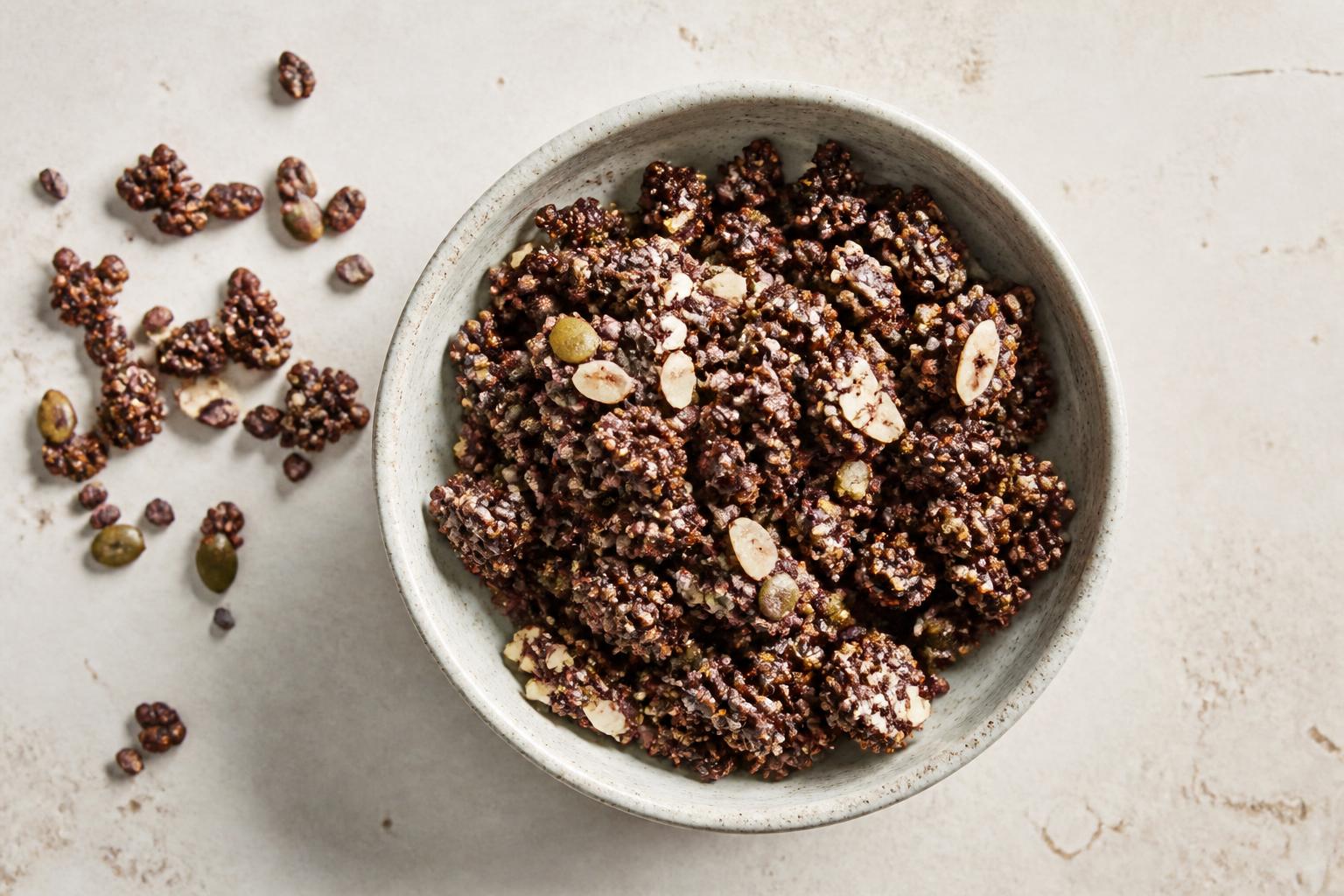
Wholegrains are another reliable base. Oatcakes, rye crispbreads, wholegrain crackers and plain popcorn all have a sturdy, satisfying quality that helps a snack feel like a proper pause rather than a tease. Plain or lightly seasoned popcorn is especially useful if you like volume and crunch. It is one of the easiest formats to keep lower in sugar because it does not need a coating to be appealing. If you want ideas that stay on the savoury side, have a look at our favourite popcorn flavour ideas that actually suit how you snack.
Nuts and seeds do a lot of heavy lifting. Almonds, peanuts, pumpkin seeds, sunflower seeds and mixed seeds add richness and bite. They are not low-calorie, but they are often very satisfying in modest portions. A small handful alongside something crisp can work better than a much larger sweet snack.
Cheese, plain yoghurt and cottage cheese can also fit well, especially when paired with crunchy elements. A few wholegrain crackers with cheddar, or plain Greek yoghurt with cinnamon and chopped nuts, can keep sugar low while still feeling indulgent enough to hit the spot.
Vegetable-based snacks can work nicely too, but this is where labels matter. Some veg crisps are mostly starch with a health halo. Others genuinely offer a simpler ingredient list and a more savoury profile. Again, compare within the category.
Fresh fruit still belongs in the conversation. It is not “low sugar” in the strict snack-aisle sense, but whole fruit with nuts, cheese or nut butter often lands better than a processed bar that boasts no refined sugar while being packed with date paste. If sweetness is what you want, fruit can be the cleaner, more satisfying route, especially when combined with something crunchy or creamy.
In terms of formats, the easiest wins tend to be:
- Roasted pulses in a sensible portion
- Seed crackers or oatcakes with a savoury topping
- Plain popcorn with salt, black pepper or nutritional yeast
- Nuts and seeds, either alone or mixed with wholegrain crunchy bits
- Yoghurt with seeds or a few crushed nuts
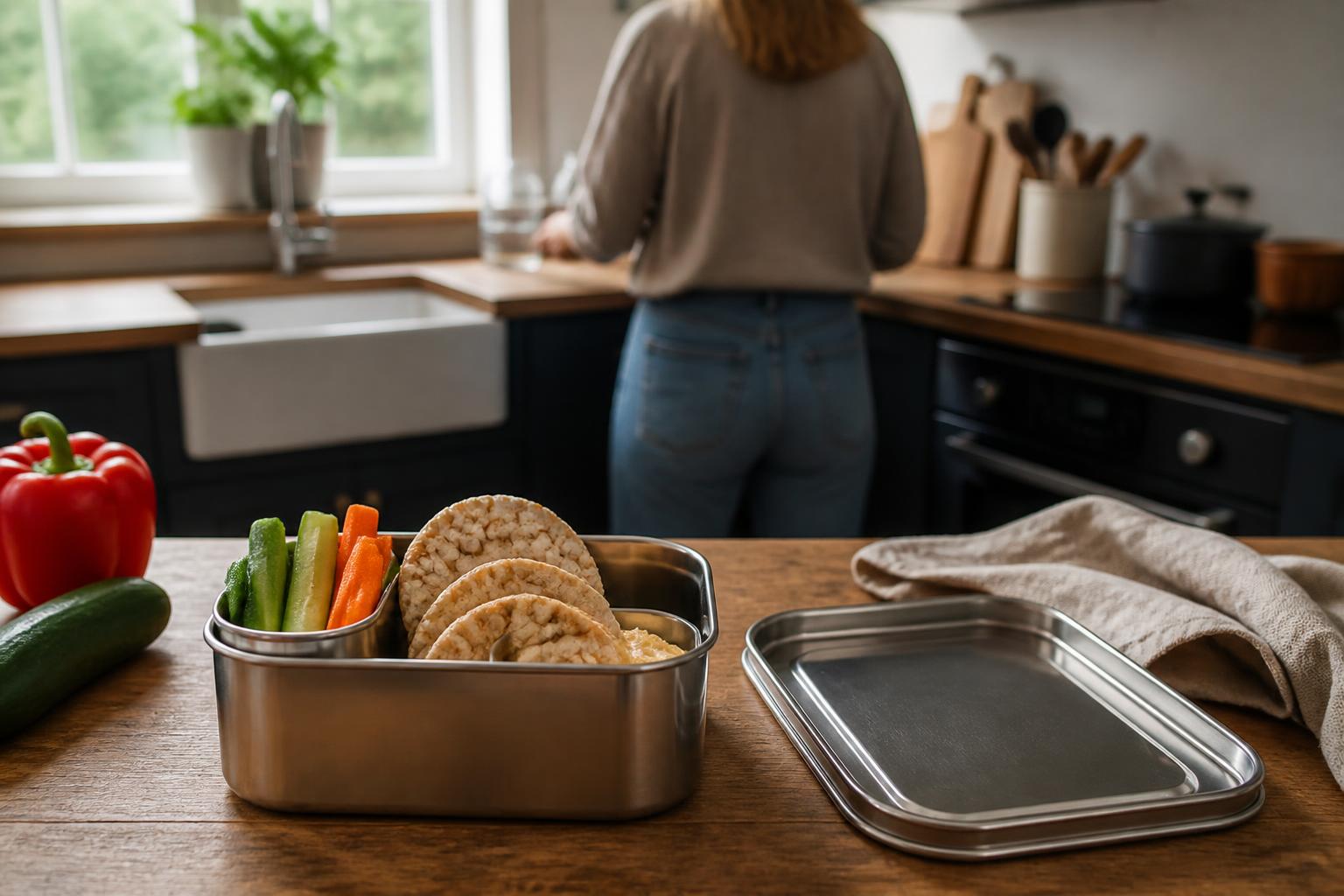
- Crispbreads with hummus, cheese or peanut butter
- Savoury snack mixes that are not padded out with sweetened dried fruit
Convenience matters too. If a snack needs too much assembly, many of us will not bother. Shelf-stable, crunchy options for desks, bags and cars are often the most useful, especially during the working week. That is why simple formats, done well, tend to win.
How can you build a low-sugar snack habit that lasts?
Start with the snack you already reach for most often. Do not try to reinvent your entire cupboard in one go. If you usually buy cereal bars, try switching some of them for oatcakes with peanut butter sachets, or for a roasted pulse snack you actually like. If you are a crisp person, look at popcorn, lentil snacks or seed crackers before you leap to something joyless.
Make one swap at a time and keep the pleasure. Crunch matters. Saltiness matters. A snack habit only lasts if the replacement still feels good to eat. Lower sugar does not have to mean worthy or bland.
It also helps to match the snack to the moment. Mid-morning at a desk is different from that hungry gap on the train home. For a short gap, a lighter crunchy snack may be enough. For a longer stretch, build in more substance with protein or fat. This is where a lot of good intentions fall apart. We choose a tiny “healthy” snack for a big hunger moment, then blame ourselves when it does not work.
Managing cravings gets easier when you stop treating every desire for sweetness as a problem to crush. Sometimes you do want something sweet. The practical move is to make it more structured. Pair fruit with nuts. Choose plain yoghurt and add cinnamon. Have a square or two of dark chocolate after a savoury snack rather than starting with a sweet bar that leaves you wanting more. The aim is not moral purity. It is fewer random sugar spikes followed by another hunt for food.
Environment helps more than willpower. Keep a few reliable options where you need them, at work, in your bag, in the car, by the kettle. If you wait until you are ravenous in a petrol station queue, the best plan in the world will not save you.
Routine helps too. Some people snack because they are hungry. Others snack because it is 4pm and their brain wants a break. If that is you, build a ritual around the snack. Put it on a plate. Make tea. Sit down for ten minutes. Satisfaction is not only nutritional. It is also sensory and mental. A crunchy, savoury snack eaten properly often feels more complete than a sweet bar eaten while answering emails.
Finally, be realistic about your own patterns. If you know you tend to finish an open bag, buy portioned packs or decant into a bowl. If you get bored easily, rotate between two or three formats rather than buying a month’s supply of one saintly option. If workdays are chaotic, keep backup snacks that live in a drawer. Our round-up of healthy snack ideas for adults on real days is built around exactly that kind of realism.
The best healthy low sugar snacks are not the ones with the most virtuous branding. They are the ones you will happily eat, that fit your day, and that leave you feeling steadier rather than still rummaging. Read the label, trust your appetite, and give crunch, fibre and substance as much attention as sugar. That is usually where the satisfying choices live.

Questions about this article or a correction to suggest? Get in touch. Read more about our editorial approach.