Crunchy snacks fit into everyday eating very easily, provided we treat them as part of the day rather than a nutritional loophole or a guilty extra. The crunch itself often does a lot of work. A crisp bite can feel satisfying, wake up the palate, and make a small portion feel more noticeable than something soft or quickly swallowed. That is one reason people reach for them at a desk, on a train, or in the kitchen while dinner is still half an hour away.
That does not mean every crunchy option belongs in the same box. Some are mostly starch and seasoning, some bring fibre or protein, some are simply easier to portion, and some are so moreish that the packet disappears before we have noticed. The useful question is not whether crunchy snacks are good or bad in the abstract. It is which kind we are eating, how often, and what job we need the snack to do.
What makes a snack feel crunchy
Crunch is a physical effect. When we bite into a food and it breaks sharply, with a clear crack or shatter, that usually means the structure is dry, rigid and full of tiny air spaces or brittle layers. Our teeth fracture that structure quickly, and the sound reaches our ears through the air and through the bones of the jaw. That is part of why crunch feels so immediate.
Moisture is central. Foods with low water content tend to stay crisp or crunchy because there is not enough moisture to soften the structure. Once water gets in, from the air, a filling, or a dip, the texture starts to bend rather than snap. Anyone who has left a packet of crisps open or packed crackers next to chopped cucumber has seen this happen. Humidity matters almost as much as the recipe.
Processing method matters too. Frying drives off moisture quickly and creates a bubbled, brittle structure. Baking can do something similar, often with a drier, firmer bite depending on the dough or slice thickness. Roasting works well for nuts, seeds, chickpeas and some vegetables because surface moisture evaporates and the outer layer hardens. Extrusion, used for many puffed snacks, pushes a starch-based mix through a die under pressure. When it emerges, steam expands and creates a light, airy crunch.
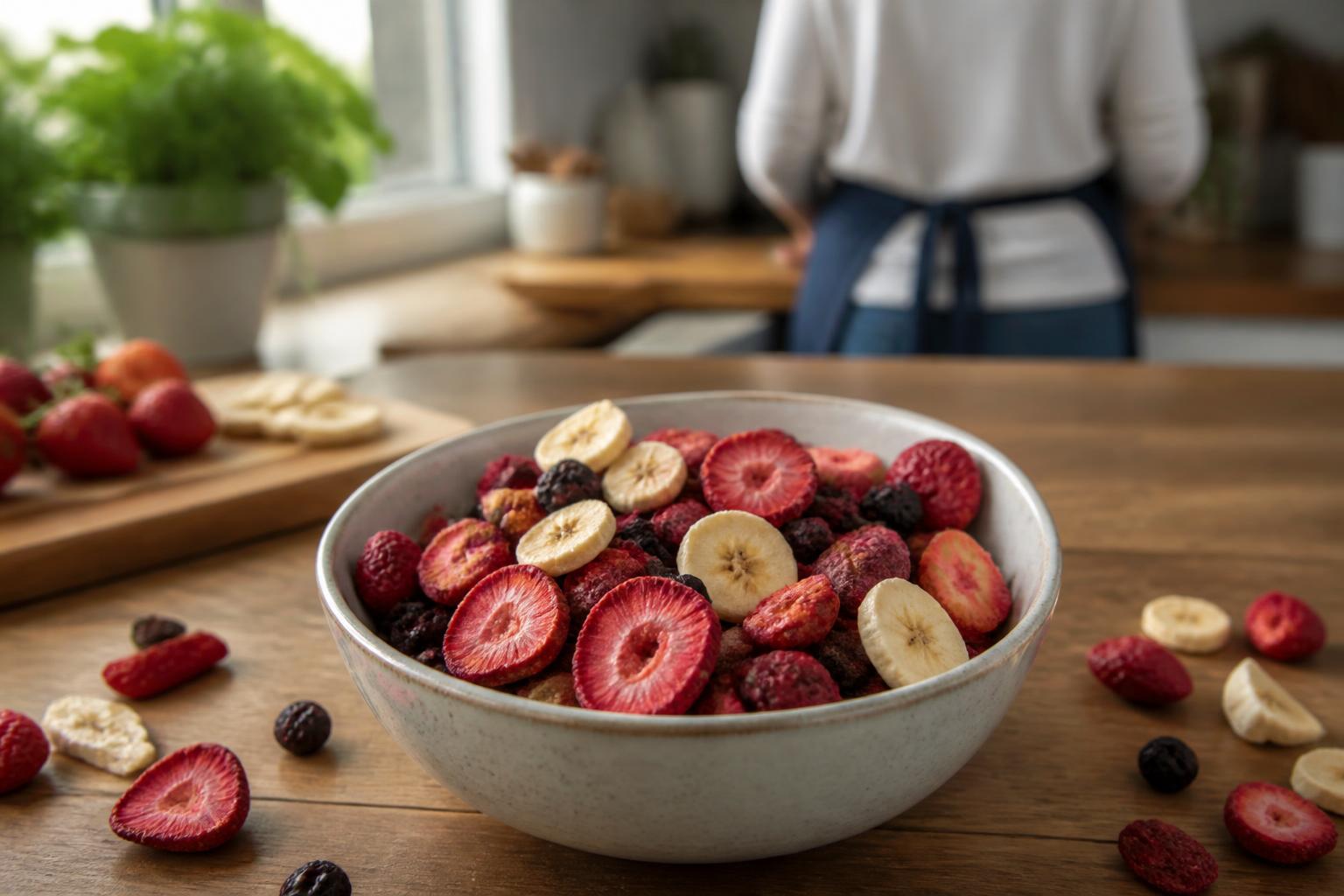
Ingredients affect the kind of crunch we get. Potato starch gives a different break from wholegrain rye, rice, corn or lentil flour. Nuts and seeds tend to give a denser bite with more resistance. Freeze-dried fruit is another category again. Water is removed at low temperature, leaving a very light, brittle texture that can seem crisp at first and then melt away. If that format interests you, our guide to whether freeze-dried fruit can be a healthy snack choice looks at where it fits.
Fat also changes texture. In pastries, crackers and fried snacks, fat can make the structure short and snappy rather than hard. Sugar can create glassy brittleness in some cereal snacks and granola clusters. Fibre can either add bite or make a product dense, depending on how it is milled and combined.
So when a snack feels crunchy, we are usually noticing a combination of low moisture, a brittle structure, and a process that created trapped air or firm layers. That is why two products with similar calories can feel completely different in the hand and in the mouth.
The main types of crunchy snacks people reach for
In the UK, the common formats are familiar, but they are not interchangeable.
Potato crisps are still the default for many people. Thin slices, usually fried, with a fast, clean crunch and plenty of flavour on the surface. They are easy to share, easy to eat on the move, and very easy to overeat because they are light and highly savoury. Ridged crisps and thicker cut varieties feel sturdier and often pair better with dips.
Tortilla chips and corn snacks sit nearby but behave differently. Their crunch is usually harder and louder, with more chew after the initial break. They work well for sharing and dipping because the structure is stronger. Puff-style corn snacks are lighter and less dense, often leaving less of a sense of fullness.
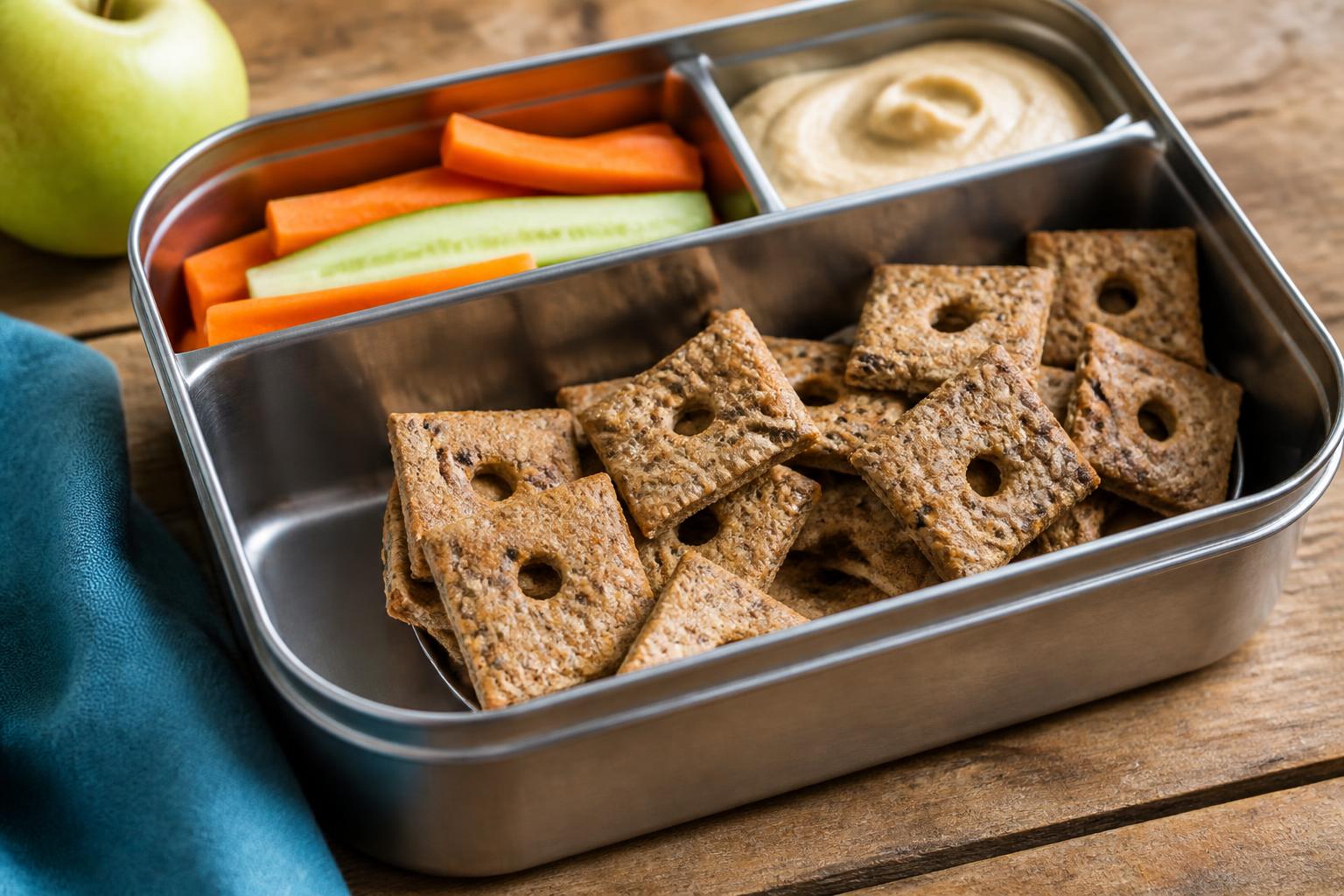
Crackers are a broad church. Water biscuits, oatcakes, rye crisps, seed crackers and wholegrain crispbreads all land in the crunchy family, but with very different ingredients and uses. Crackers often act more like a base for toppings, so they can become a small meal rather than a standalone nibble. Seed crackers and crispbreads can also bring more fibre than standard crisps, though that depends on the recipe. We have covered seed crackers that stay crisp and actually satisfy if you want a closer look at that format.
Roasted nuts and seeds are another everyday option. Their crunch is compact and dense, and they tend to be more filling because they bring fat, some protein and often fibre. That can make them practical for a mid-morning or mid-afternoon gap, though portion size matters because they are energy dense.
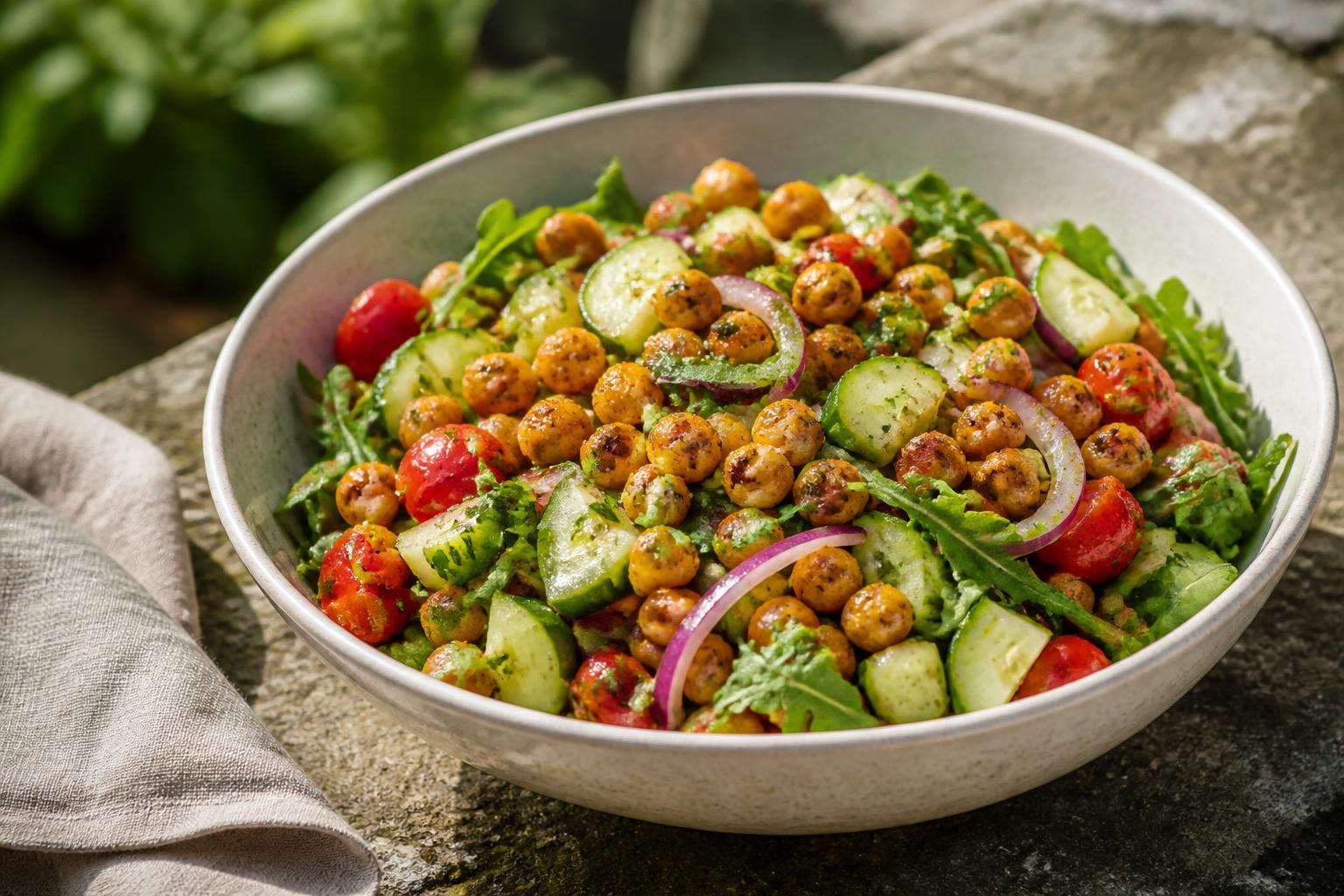
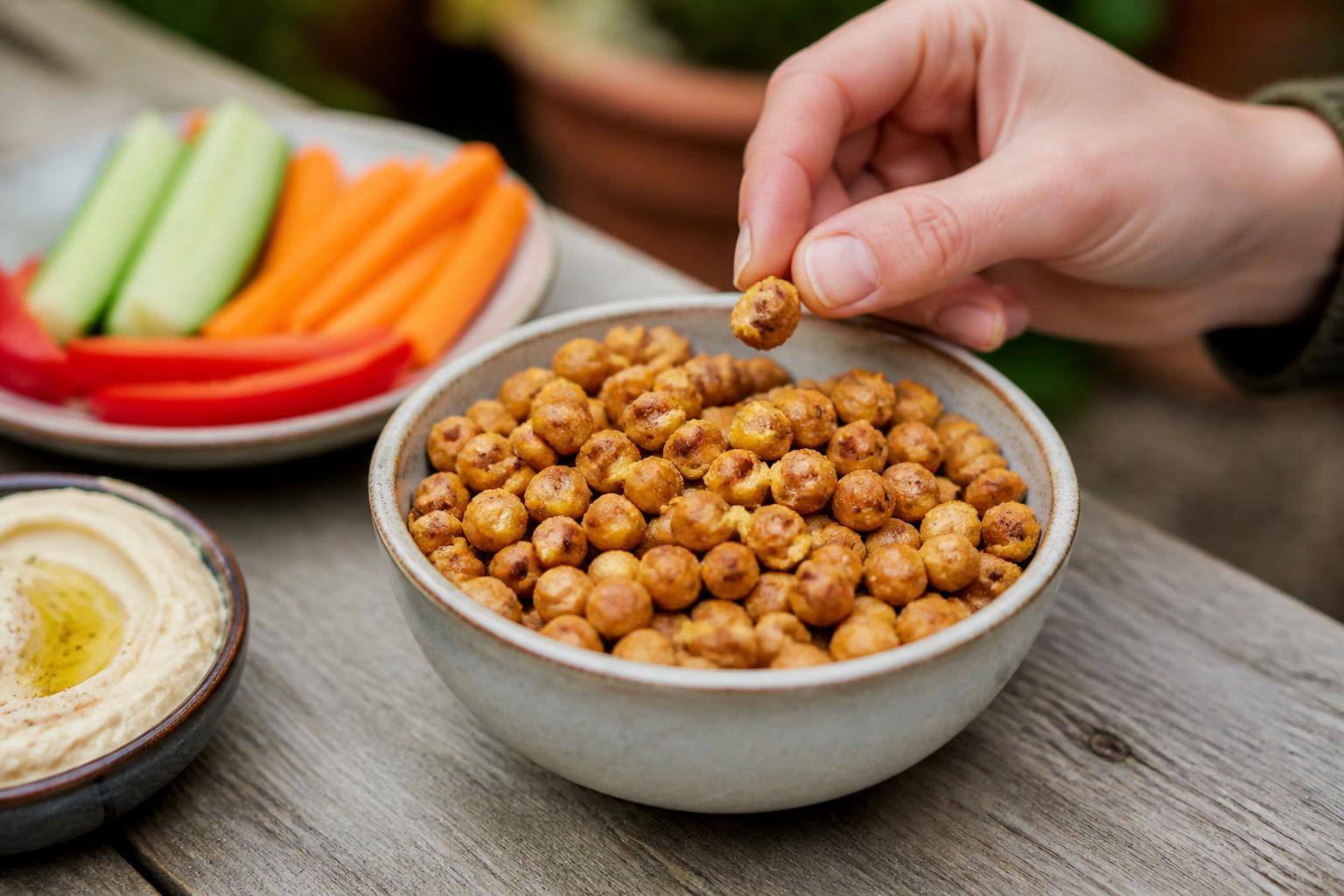
Roasted pulses, especially chickpeas and broad beans, have become a common cupboard snack. These have a drier, firmer crunch than crisps and usually feel more substantial. They can work well when we want a savoury bite with some fibre and a bit more staying power.
Pretzels sit in their own lane. They are dry, brittle and often lower in fat than fried snacks, but they are still usually based on refined flour and can be salty. Rice cakes and corn cakes are light and crisp, useful as a base, but often not very satisfying on their own unless paired with something else.
Then there are crunchy cereal snacks, granola clusters and snack mixes. These can blur the line between sweet and savoury and between snack and breakfast ingredient. Texture is often a selling point, but the nutritional profile varies wildly, especially where sugar coatings or sweetened dried fruit are involved.
Vegetable crisps deserve a quick reality check. Beetroot, parsnip and other root veg crisps can sound automatically virtuous, but many are processed in ways similar to potato crisps. The ingredient list and nutrition panel tell us more than the picture on the front.
Everyday use matters as much as ingredients. Some formats are built for dipping, some for desk drawers, some for lunchboxes, some for train journeys where crumbs and noise become part of the calculation. That practical side often decides what we actually eat.
Are crunchy snacks always less healthy?
No. Crunchy snacks are not automatically less healthy, but neither does crunch give a product a health halo. In the UK, the sensible way to judge them is through a few familiar markers, salt, saturated fat, added sugar where relevant, fibre, and portion size.
The NHS and wider UK healthy eating guidance do not tell us to avoid all snack foods with crunch. The bigger message is balance across the day. A snack can fit perfectly well if it helps bridge a gap between meals, stops us arriving at dinner ravenous, or replaces a less satisfying habit. Problems tend to start when snacks become constant background eating or when we assume a product is light simply because it is airy.
Salt is one of the main issues with savoury crunchy foods. Crisps, crackers, pretzels, roasted pulse snacks and mixed nibbles can all carry more salt than we expect, especially in flavoured versions. UK guidance differs from EU-wide general food labelling in the way many people encounter it in practice. In the UK, traffic light front-of-pack labels are widely used and very helpful for a quick scan, though they are not mandatory on all foods. A red or amber for salt is worth noticing, particularly if the rest of the day already includes bread, cheese, sauces or processed meats.
Energy density matters too. Fried crisps, nuts, seeds and many snack mixes pack a lot into a small handful. That is not inherently bad. Sometimes that density is useful. But it does mean the portion can run away from us if we eat from a large bag while distracted.
Fibre is where some crunchy options do better than their reputation suggests. Wholegrain crispbreads, oatcakes, seed crackers, roasted chickpeas and some vegetable-based snacks can contribute useful fibre. That can make a snack more filling and support balanced eating overall. Protein can help too, though many standard crisps are low in it.
The phrase “healthy” often gets tangled up with ingredient marketing. Lentil chips, pea puffs or beetroot crisps may sound superior to plain crisps, but the outcome depends on how they are made and seasoned. Some are genuinely better on fibre or protein. Some are nutritionally very similar to the products they are replacing.
It is also worth separating “less processed” from “better choice”. A homemade roasted chickpea mix may suit one person brilliantly. For someone else, a portion-controlled pack of baked crackers is the option that actually works on a busy Wednesday. Real life counts. We look at that broader picture in our piece on healthy habits that actually fit a busy UK day.
So, no, crunchy snacks are not always less healthy. They are simply a category with a wide range, from occasional treat foods to useful everyday options. The difference usually lies in what they are made from, how much salt and fat they carry, and whether they genuinely satisfy.
How to read a crunchy snack quickly
We do not need a calculator in the supermarket aisle. A fast scan is usually enough.
Start with the portion information. Look for “per pack” if it is a single-serve product, or “per serving” if it is a larger bag or box. If the pack contains two or three servings, that is worth clocking straight away. Many snacks look individual but are labelled otherwise.
Next, glance at the front-of-pack traffic lights if they are there. In the UK this is often the quickest route. For savoury snacks, salt and saturated fat are the key boxes to notice first. If several lights are red, we are usually looking at more of a treat food than an everyday staple.
Then check fibre. On many crunchy foods this is the easiest positive marker. A cracker, crispbread or roasted pulse snack with a decent fibre content is often more satisfying than one built mostly from refined starch. We do not need to chase perfection, just compare like with like.
Ingredients tell us the structure of the product. The first few items matter most because they make up the bulk. If it starts with potato, oats, chickpeas, rye or seeds, that tells us one story. If flavourings, sugars or oils dominate early, that tells us another. For people watching salt, ingredients can also reveal repeated sources such as seasoning blends, yeast extract, flavour powders and added sea salt.
For sweet crunchy snacks, sugar deserves the same quick attention that salt gets in savoury ones. Granola bites, coated rice snacks and fruit crisps can swing from fairly plain to heavily sweetened.
A useful shortcut is to ask four questions.
What is it mainly made from?
How salty is it?
Will this portion actually satisfy me?
Am I eating it on its own, or with something else?
That last question matters because the same snack can play different roles. A plain crispbread with peanut butter or hummus is a different proposition from a packet of flavoured crisps eaten absent-mindedly in the car. Neither needs moral drama, but they do not do the same job.
If you are choosing for work or travel, practicality belongs in the quick read as well. Will it survive a bag, stay crisp after opening, and avoid becoming crumbs by 11 am? Nutrition matters, but so does whether the food is still edible when you need it.
Which crunchy snacks work best in real life?
The best option depends on the situation.
For commuting, neatness matters. Snacks that can be eaten one-handed and do not leave oily fingers tend to win. Roasted broad beans, compact crackers, pretzels and some roasted chickpea snacks are usually easier on a train or bus than a large bag of crisps. Noise matters too, though there is only so much we can do about that with crunchy food.
For work, staying power is often more important than novelty. A snack that leaves us hungry again in twenty minutes is not much use between meetings. That is where denser formats can help, crispbreads with a topping, roasted pulses, nuts, or seeded crackers. If you need ideas that can sit in a drawer or bag, our guide to crunchy work snacks that cope without a fridge covers the practical side.
For sharing, classic crisps, tortilla chips and savoury mixes still do the job best because they are familiar and easy to dip into. If we are putting food out for other people, texture variety helps. One light option, one dense option, one dip-friendly option. That keeps the bowl from becoming monotonous.
For lunchboxes, structure matters more than people think. A brilliant cracker that turns leathery by noon is not a brilliant lunchbox snack. Dry separation, sturdy containers and pairing wet ingredients separately make a real difference. We have more on crunchy lunch boxes that stay crisp until you eat if that is a regular battle in your kitchen.
For keeping at home, versatility is useful. Oatcakes, crispbreads, plain popcorn kernels, roasted nuts, and a couple of savoury cupboard snacks give us options without demanding a special trip. Home is also where portion drift tends to happen. Bowls and small plates help more than good intentions do.
For a more filling afternoon snack, look for crunch plus substance. Roasted chickpeas, seeded crackers with cheese, oatcakes with peanut butter, or crispbread with cottage cheese all tend to last better than very airy snacks. For a lighter salty bite with a sandwich or soup, a small packet of crisps or a few crackers may be exactly right.
And for those moments when what we really want is the unmistakable snap of a crisp, it is usually better to have the crisp, enjoy it, and move on than to eat three substitute snacks while pretending they are the same thing.
Crunchy snacks fit everyday eating best when we match the format to the moment. Some are there for pleasure, some for practicality, some for satiety, and some for all three. Once we understand what gives them their crunch, and how to read them quickly, the category becomes much easier to navigate. The aim is not to banish crunch from the cupboard. It is to keep it useful, enjoyable and in proportion to the rest of the day.

Questions about this article or a correction to suggest? Get in touch. Read more about our editorial approach.