A crunchy lunch box is mostly about separation and timing. If crisp things go in beside wet things too early, the wet wins. Crackers pull moisture from cucumber, steam softens toasted wraps, dressing creeps into leaves, and anything delicate gets crushed on the commute. The fix is not complicated. Keep dry, wet and chilled parts in their own containers, pack in the right order, and assemble at your desk instead of in your kitchen at 7am.
That matters for taste and texture, but it also helps with portioning a more balanced lunch. When we build crunchy lunchbox ideas for adult workdays, we want a proper mix of fresh produce, protein, carbohydrates and something flavourful to dip or drizzle, without turning the whole thing limp by lunchtime. The trick is knowing which parts can happily sit together and which absolutely need their own space.
Why crunchy lunches go soft in the first place
Most texture problems come down to moisture migration. Put a dry cracker next to sliced tomato, apple, beetroot or a dressed salad, and the moisture gradually moves into the drier food. That is why a cracker that started snappy can end up leathery, and why a wrap can feel heavy by noon even though it looked fine when packed.
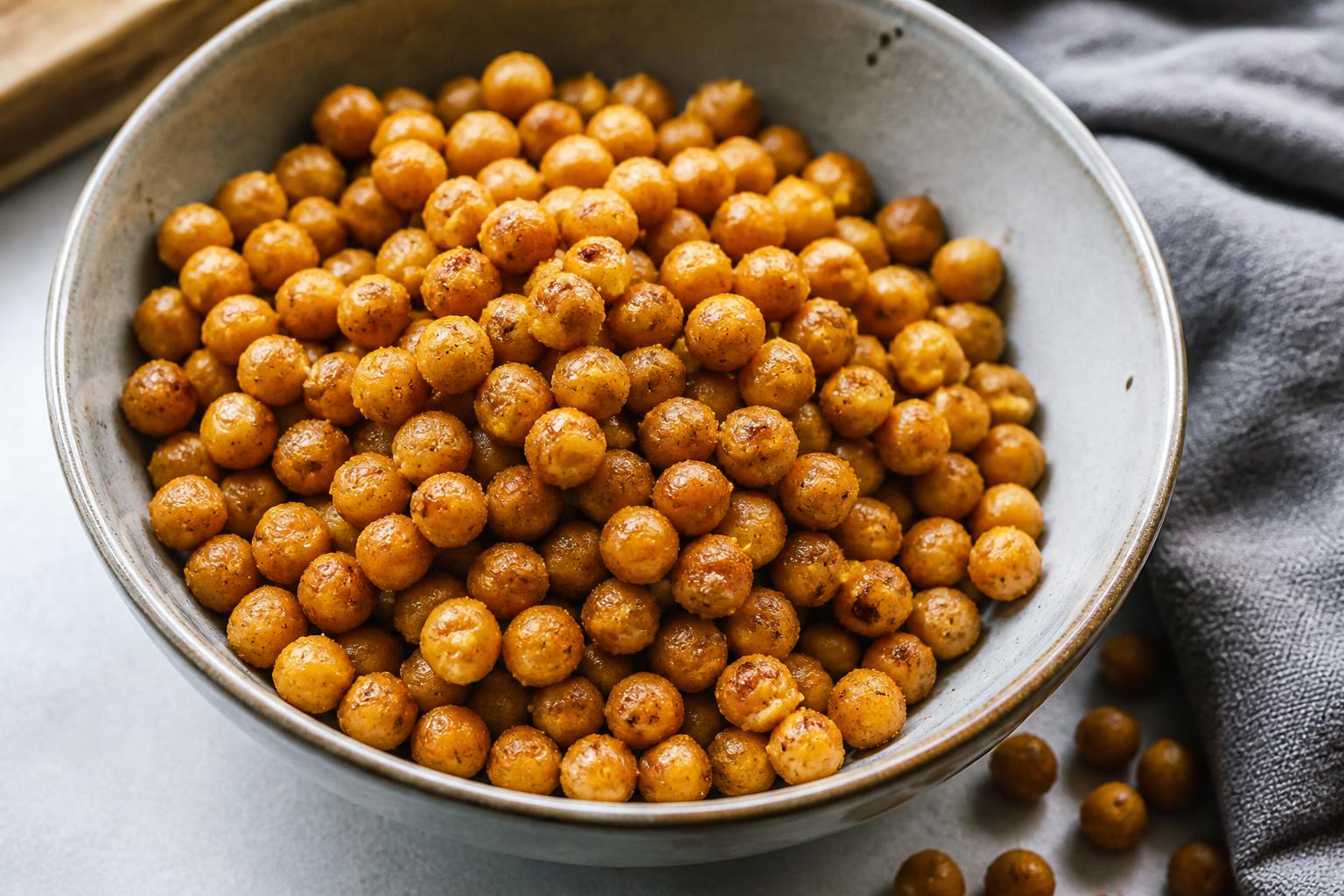
Steam is another common spoiler. If you pack food while it is still warm, trapped steam condenses inside the container and settles on everything around it. Roasted chickpeas lose their edge, crisp bread softens, and cut veg can become slippery rather than fresh. If a lunch component has been cooked, let it cool properly before lidding it.
Dressing contact is the obvious one, but it is worth being precise about it. A vinaigrette does not just coat leaves, it starts breaking their structure down. Salt draws out water. Acid softens. Yoghurt dips can make carrot batons feel damp if they share a compartment without a proper barrier. Even hummus, which feels thick and harmless, can wick into pitta strips or crackers over several hours.
Pressure matters more than people expect. A lunch box gets tipped, squeezed into a tote, stacked under papers, and carried on trains. Delicate crispbreads crack. Cucumber slices press into crackers. Grapes burst. A bag of toasted broad beans under a heavy tub of pasta salad will not stay at its best for long.
It also helps to separate texture issues from food-safety issues. A soft cracker is disappointing, not dangerous. A wilted salad leaf is about eating quality, not automatically about risk. Food safety is a different question, and in the UK that means paying attention to chilled storage, perishable fillings, use-by dates and the instructions on the pack. We keep those points separate because the solution to sogginess is often compartmentalising, while the solution to safety is temperature control and following label guidance.
What to pack separately for a balanced crunchy lunch
A good adult workday lunch usually works best in five parts. Think crunchy element, fresh element, protein element, carbohydrate element, and dip or dressing. The key is that they do not all need to be premixed.
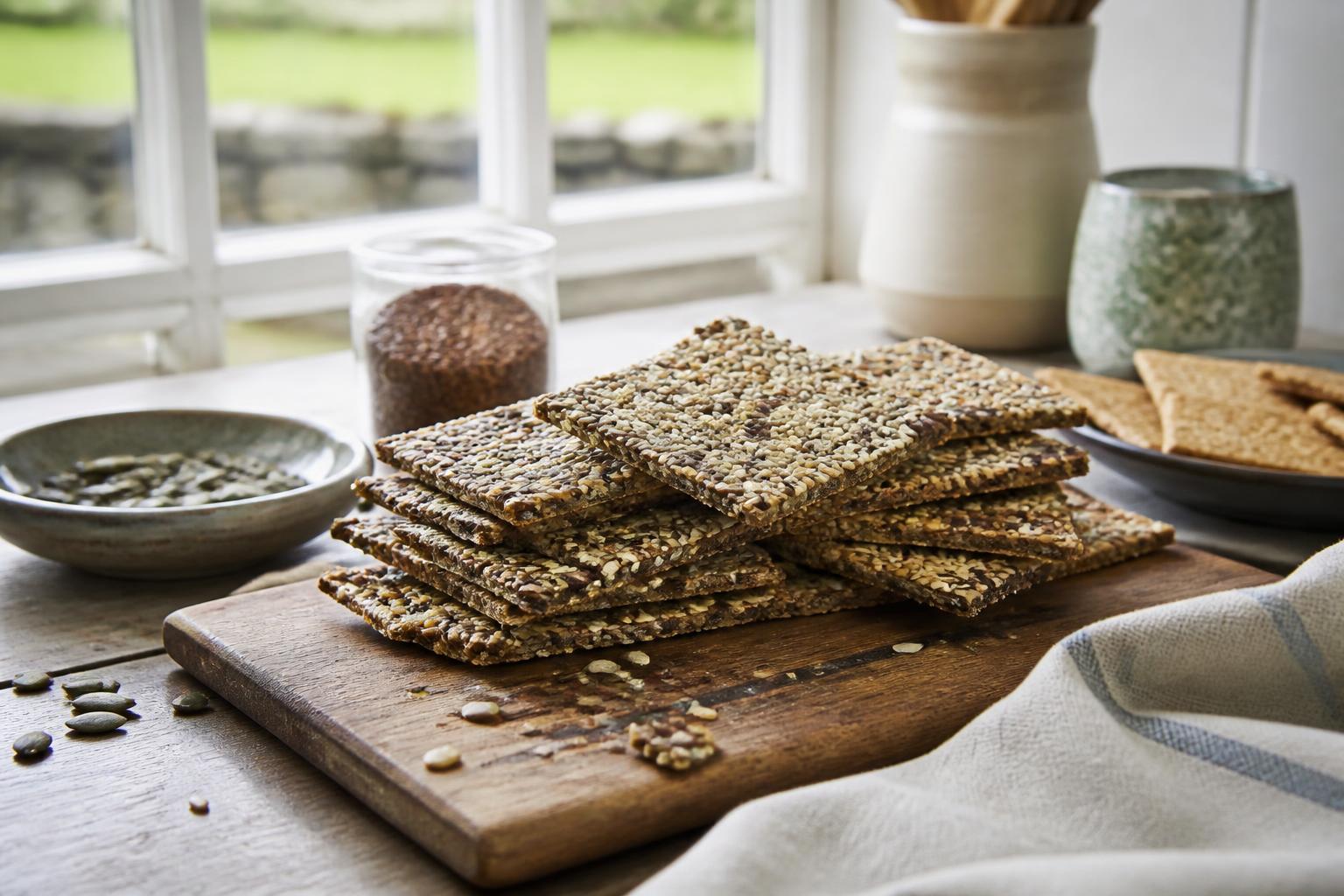
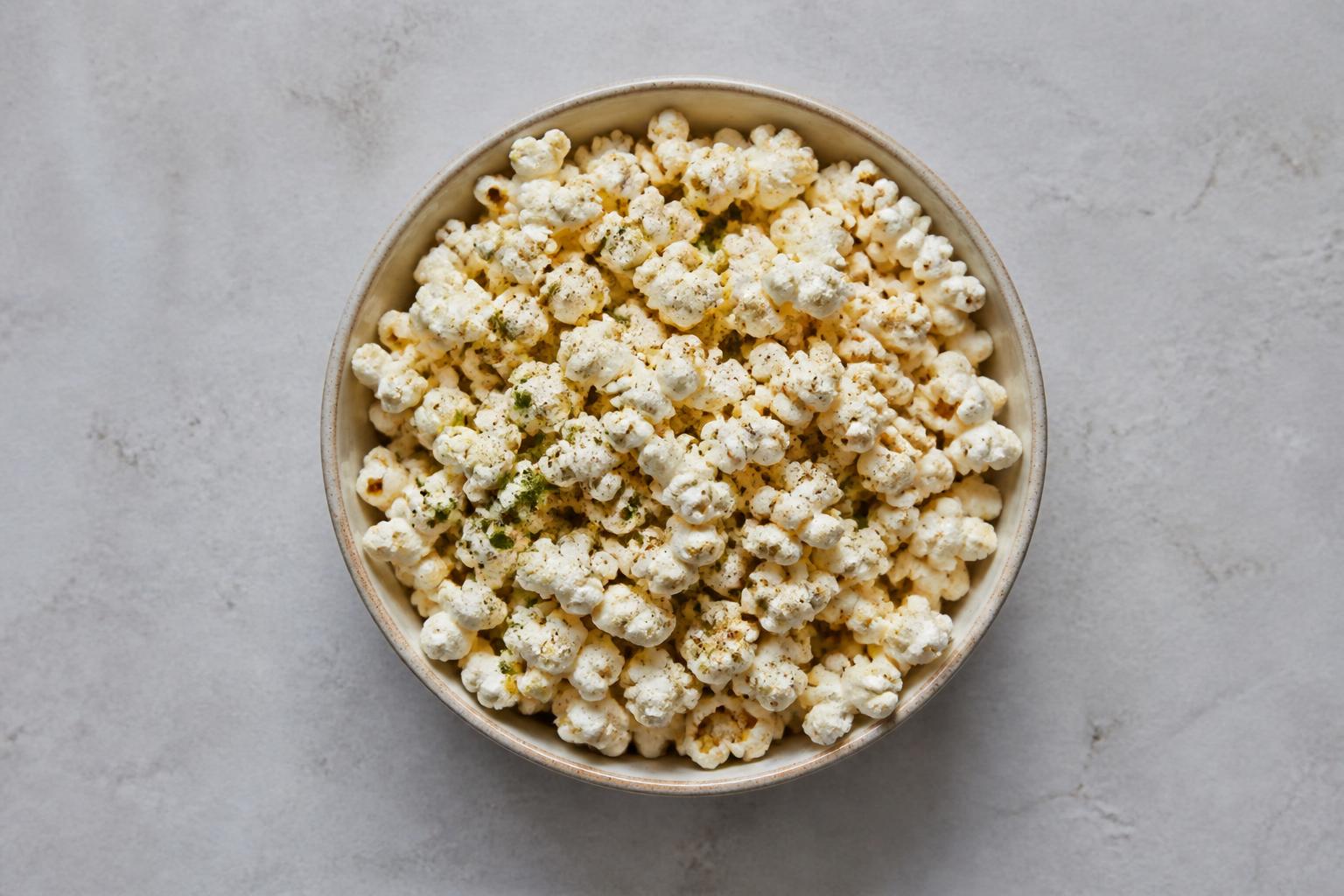
Start with the crunchy element. This could be seed crackers, oatcakes, crispbread, rice cakes, roasted pulses, toasted pitta shards, or a sturdy slaw mix that stays crisp when undressed. Keep these dry from the start. If you want help choosing between different cracker styles, our guide to comparing seed crackers without guesswork is useful here.
Then add the fresh element. Raw pepper strips, radishes, sugar snap peas, celery, carrot batons, little gem leaves, spring onion, sliced apple with a squeeze of lemon, or a handful of cherry tomatoes all bring crunch, but they are not equal in moisture. Tomatoes and cucumber are wetter than carrots and peppers, so they need firmer separation from crackers.
For protein, think boiled eggs, cooked chicken, turkey slices, tuna mayo, cottage cheese, hummus, falafel, edamame, Greek yoghurt dip, cheese cubes, or a bean salad. Some of these are also wet, so they need a sealed tub rather than an open compartment. A chicken and grain bowl can be satisfying, but if you want crispbread on the side, keep it fully separate until you eat.
Carbohydrates give the lunch more staying power. Wrap strips, pitta wedges, cooked grains, pasta, couscous, baby potatoes, noodles, or crackers can all do the job. If the carbohydrate is meant to stay crisp, such as crackers or toasted pitta, it belongs with the dry items, not under a salad or beside a dip.
Finally, pack a dip or dressing. This is where many balanced crunchy lunchbox ideas succeed or fail. Put the dip in a leakproof pot with a proper lid. A tahini yoghurt dressing, salsa, hummus, peanut sauce, pesto, or simple olive oil and lemon dressing should be added at the desk, not before. If your lunch is built around dipping rather than mixing, your crunchy elements stay crunchy for much longer.
A simple formula we use is this:
- Dry crunch, packed alone
- Fresh veg or fruit, packed by moisture level
- Protein, chilled if perishable
- Carb, dry or soft depending on the format
- Dip or dressing, sealed separately
That gives you plenty of flexibility without ending up with a sad, damp all-in-one box.
The best packing order for keeping crackers and veg crisp
Packing order matters because lunch boxes move. Even if every component starts in the right container, poor stacking can still lead to leaks, crushed crackers and condensation.
From bottom to top, a practical order looks like this.
At the bottom, place the heaviest chilled items in fully sealed tubs. Think chicken pieces, tuna, egg mayo, yoghurt dip, hummus, cottage cheese, or dressed grains if you are taking them. The base of the bag is the most stable place, and heavy tubs are less likely to squash delicate foods if they sit low down.
Above or beside those, place firmer fresh items that can cope with a bit of jostling. Carrot sticks, pepper strips, radishes, sugar snap peas and celery are good here. If they are cut and washed, dry them well first. Surface water is one of the quickest routes to a soggy lunch.
Next, add softer fresh items that bruise or release moisture more easily. Cucumber, tomatoes, berries, sliced pear and dressed leaves need more protection. If they are going in a divided box, keep them in their own compartment, ideally not touching crackers or bread.
Dry crisp items should sit at the top, or in a separate dry pouch entirely. Crackers, crispbread, toasted pitta, rice cakes and roasted snacks survive much better when they are not bearing weight. If your lunch bag has a flat outside pocket, that can be better for a sleeve of crackers than the main compartment.
Sealed wet components should stay upright where possible. Small screw-top pots are useful for this. If you are carrying a dressing, salsa or runnier yoghurt dip, double-check the lid before it goes in the bag. A leak that reaches your dry layer tends to ruin several parts of lunch at once.
If you are using an ice pack, place it next to the most perishable chilled item, not next to the crackers. The goal there is temperature control, not texture preservation. In a soft insulated bag, chilled tubs near the ice pack, dry items above them, usually works well.
A simple desk-assembly order helps too. Open the dry items last. Dip crackers as you go rather than stacking them under toppings all at once. Add dressing to salad immediately before eating. If using little gem leaves or wrap pieces as scoops, fill each one just before the bite rather than preloading the whole lot.
Containers, compartments and wraps that actually help
You do not need a heroic lunch system, but the format does matter.
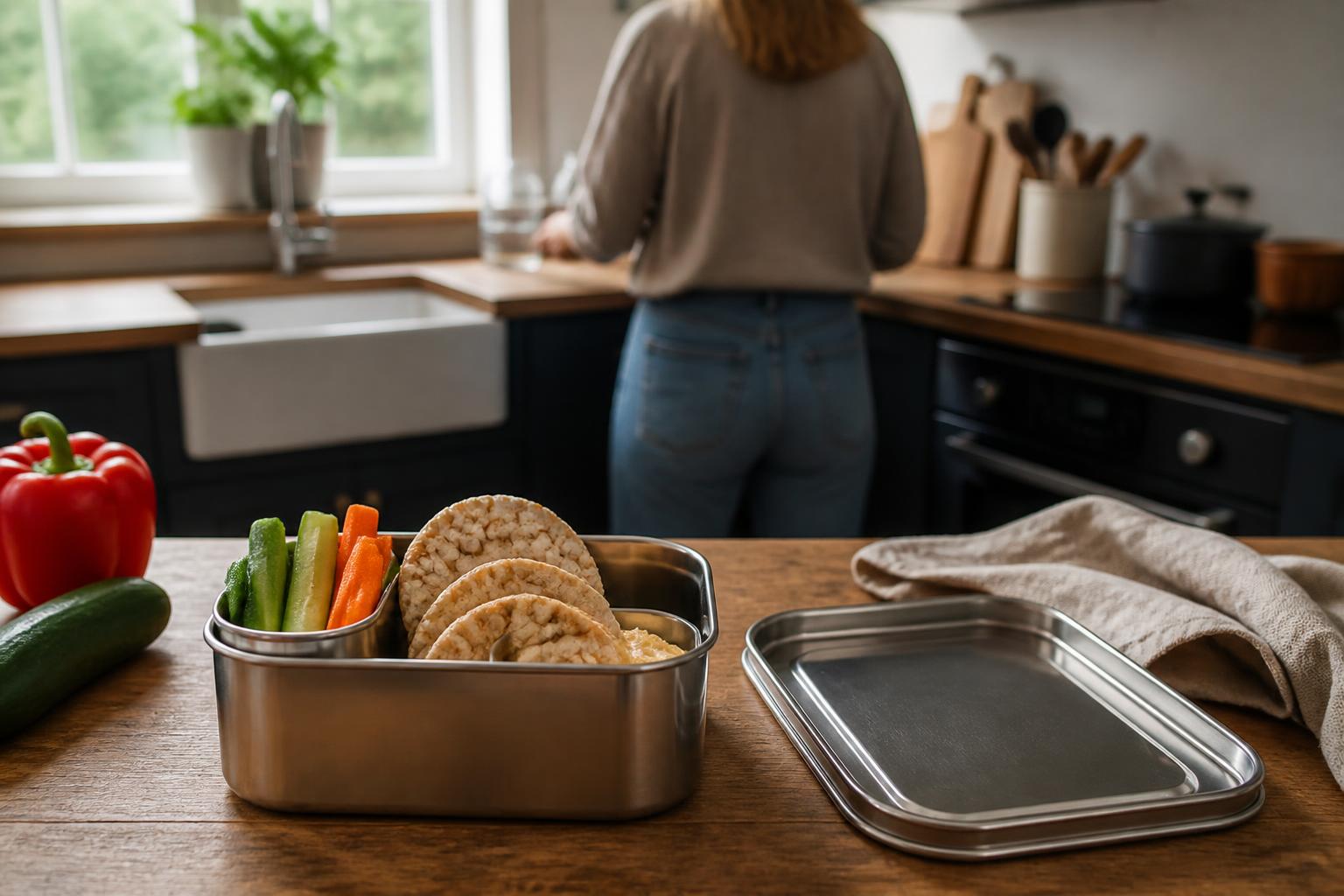
Divided lunch boxes are useful when the sections are genuinely separate and reasonably deep. They work well for dry veg, fruit, cheese cubes, folded slices of meat, and other components that can sit side by side without leaking. They are less useful if the dividers are shallow and liquids can slosh over. For crunchy lunches, divided boxes are best for dry-with-dry or dry-with-firm-fresh combinations, not for crackers beside dressing.
Leakproof pots are the workhorse option for dips, dressings, yoghurt, hummus and wetter proteins. A small pot inside a larger box often works better than relying on one lunch box with mixed compartments. It gives us more control over exactly when the wet part meets the crisp part.
Reusable tubs are handy for modular lunches. One tub for protein, one for chopped veg, one for grains, one little pot for dressing, and a separate sleeve or pouch for crackers is not glamorous, but it is practical. It also lets you change one element without rebuilding the whole lunch.
Paper wraps can be surprisingly helpful for bread-based items that need to breathe a bit. A sandwich or wrap that goes straight into an airtight box can trap moisture and soften faster. Wrapping it first in paper, then placing it in a container or bag, can reduce surface dampness. This is especially useful for toasted wraps or flatbreads that you want to stay a little firmer. Paper is not a magic shield, and it is not leakproof, but it can be better than sealing a still-warm item straight into plastic.
Reusable beeswax-style wraps and sandwich wraps can help with dry items or whole fruit, though for anything wet or heavily filled we would still favour a proper tub. Again, the aim is not a perfect product verdict. It is matching the container style to the moisture level of the food.
If your workday sometimes keeps you away from a fridge, it is also worth building in shelf-stable crunchy elements that can live separately until needed. Our guide to crunchy work snacks that cope without a fridge gives plenty of ideas that pair well with a packed lunch.
How to handle perishable lunch box foods safely at work
This is the safety section, not the crunch section.
In the UK, chilled perishable foods should be kept cold, and the Food Standards Agency advice is the relevant baseline. If a food says keep refrigerated, we treat that as an instruction, not a suggestion. That includes opened dips, cooked meats, dairy foods, seafood, egg-based fillings and many prepared salads.
When packing lunch from the fridge at home, use an insulated lunch bag if you can, especially for longer commutes. An ice pack helps keep chilled food cold until you can refrigerate it at work. If your workplace has a fridge, put perishable items in it as soon as you arrive. If it does not, choose lunch components more carefully and follow the storage instructions on the packaging.
Use-by dates matter. In the UK, use-by is the safety date for highly perishable food. Best before is about quality. If a pack says eat within a certain number of days after opening, follow that. If it says keep refrigerated once opened, keep it refrigerated once opened. Those label instructions should guide what goes into the lunch box.
Cool cooked foods before packing them away, then chill them promptly according to normal safe food handling practice. Do not put hot food straight into a sealed lunch box and leave it there for hours. That creates a texture problem and can create a storage problem too.
At work, if you are reheating part of a lunch, follow the product instructions where they exist. If you are bringing leftovers, make sure they have been stored correctly before they ever reach your bag. A crunchy topping that gets added after reheating is often the better route anyway.
Where UK and EU rules are discussed generally, the practical point for readers here is simple. Follow UK food-safety guidance and the label on the food you have bought in the UK. For this article, the key distinction is that cold storage is about safety for perishables, while dry-wet separation is about preserving texture.
Easy mix-and-match combinations for busy UK workdays
The easiest way to keep lunch interesting is to build from a few repeatable formats and swap the details. Here are some combinations that work well for adult desks, shared office kitchens and commuter bags.
Crackers plus dip box: Pack seed crackers in a dry sleeve, carrot and pepper sticks in one section, hummus in a sealed pot, a boiled egg in its shell, and a handful of grapes in a separate compartment. You get crunch, freshness, protein, carbohydrate and a dip, with almost nothing touching too soon.
Desk-assembled chicken salad: Take cooked chicken pieces in a chilled tub, little gem leaves washed and dried well, chopped radishes and cucumber in their own section, a small pot of lemony yoghurt dressing, and oatcakes packed separately. Build leaf cups at your desk and keep the oatcakes crisp to the last bite.
Pitta and falafel lunch: Pack falafel in a tub, crunchy slaw mix without dressing in another, tahini yoghurt in a sealed pot, and toasted pitta strips wrapped in paper and kept separate. Add sauce only when eating.
Cheese, apple and cracker plate: A very practical option for busy days. Keep cheese cubes in a chilled compartment, sliced apple in a separate tub, celery and sugar snap peas together, and crackers in a dry pouch. Add a small pot of chutney only if it is properly sealed and used sparingly.
Tuna lunch without soggy bread: Instead of making a sandwich in the morning, pack tuna mayo in a sealed pot, cucumber and tomato separately, and crispbread or melba toast on its own. Assemble each bite as you go. This is one of the simplest upgrades if your usual lunch turns soft by midday.
Grain bowl with a crunchy side: Use a chilled tub for cooked grains, roasted vegetables and chicken or chickpeas. Keep the dressing separate. Then add a separate dry element such as seed crackers or roasted broad beans for contrast. Not every crunchy lunch has to be built around raw veg.
Ploughman’s-style desk lunch: Cheddar, pickled onions in a tiny sealed pot, apple slices, cherry tomatoes in their own compartment, and crispbread packed dry. It is familiar, filling and easy to portion.
Wrap components, not a wrapped lunch: Take sliced turkey, lettuce, grated carrot, and a small pot of mustardy yoghurt dressing, plus mini wraps or flatbreads wrapped in paper. Assemble one at a time instead of letting the filling sit in the bread all morning.
If you want more combinations, our collection of crunchy lunch box ideas for real workdays expands on formats like these, and our snack idea builder for mixing crisp, fresh and filling elements is useful when you want to vary the parts without overthinking it. For broader everyday options beyond lunch, you may also like our round-up of healthy snack ideas for adults that actually fit real days.
The main takeaway is simple. Crunch is rarely lost because the lunch was a bad idea. It is usually lost because the wet bits met the dry bits too early, or because everything got packed into one convenient but chaotic box. Keep components apart, stack with a bit of care, chill what needs chilling, and assemble at the point of eating. That is how a lunch stays crisp enough to be worth looking forward to.

Questions about this article or a correction to suggest? Get in touch. Read more about our editorial approach.