A satisfying packed lunch often combines different textures. Something crunchy can sit alongside a soft filling, a dip, leftovers or fresh fruit, making a familiar lunch feel more interesting without much extra preparation.
These ideas are for adult lunches at work, at home or on a day out. The aim is a varied meal you look forward to eating, with enough flexibility for your appetite, budget and access to a fridge.
Give the crunchy food a supporting role
Start with the main part of lunch. That might be a sandwich, a wrap, a pasta salad, a rice bowl or a selection of foods eaten together.
Then choose one or two contrasting textures. Wholegrain crackers could accompany a bean dip; fresh pepper could sit beside a sandwich; a small amount of seeds could finish a grain bowl.
A lunch does not need every suggested ingredient. Begin with something you already enjoy and add a manageable change. Buying lots of extras can make packing feel more demanding than it needs to be.
Look across several kinds of food
The NHS guide to fibre includes vegetables, rye crackers, oatcakes, unsalted nuts and seeds among its snack suggestions. These give you several routes to crunch.
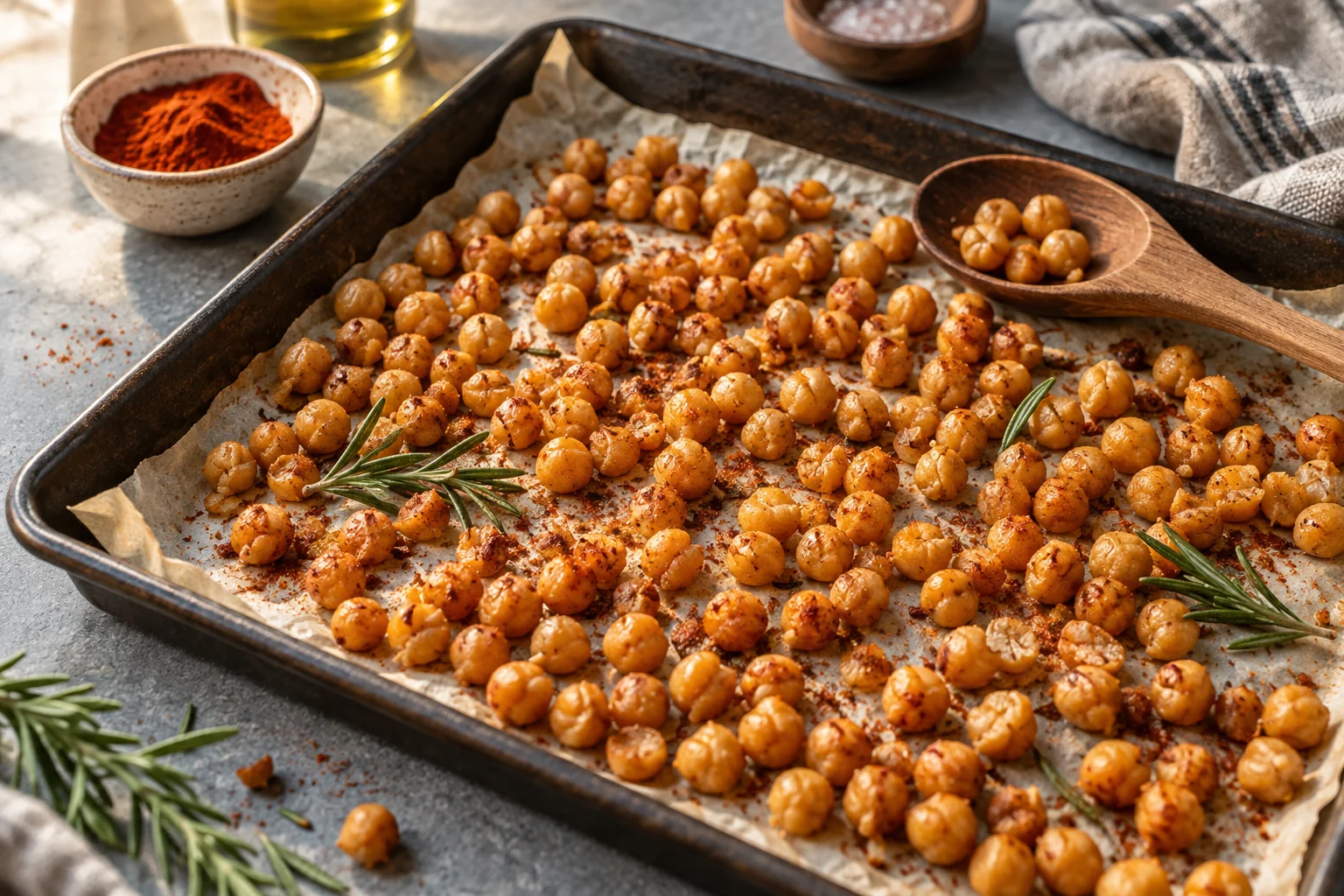
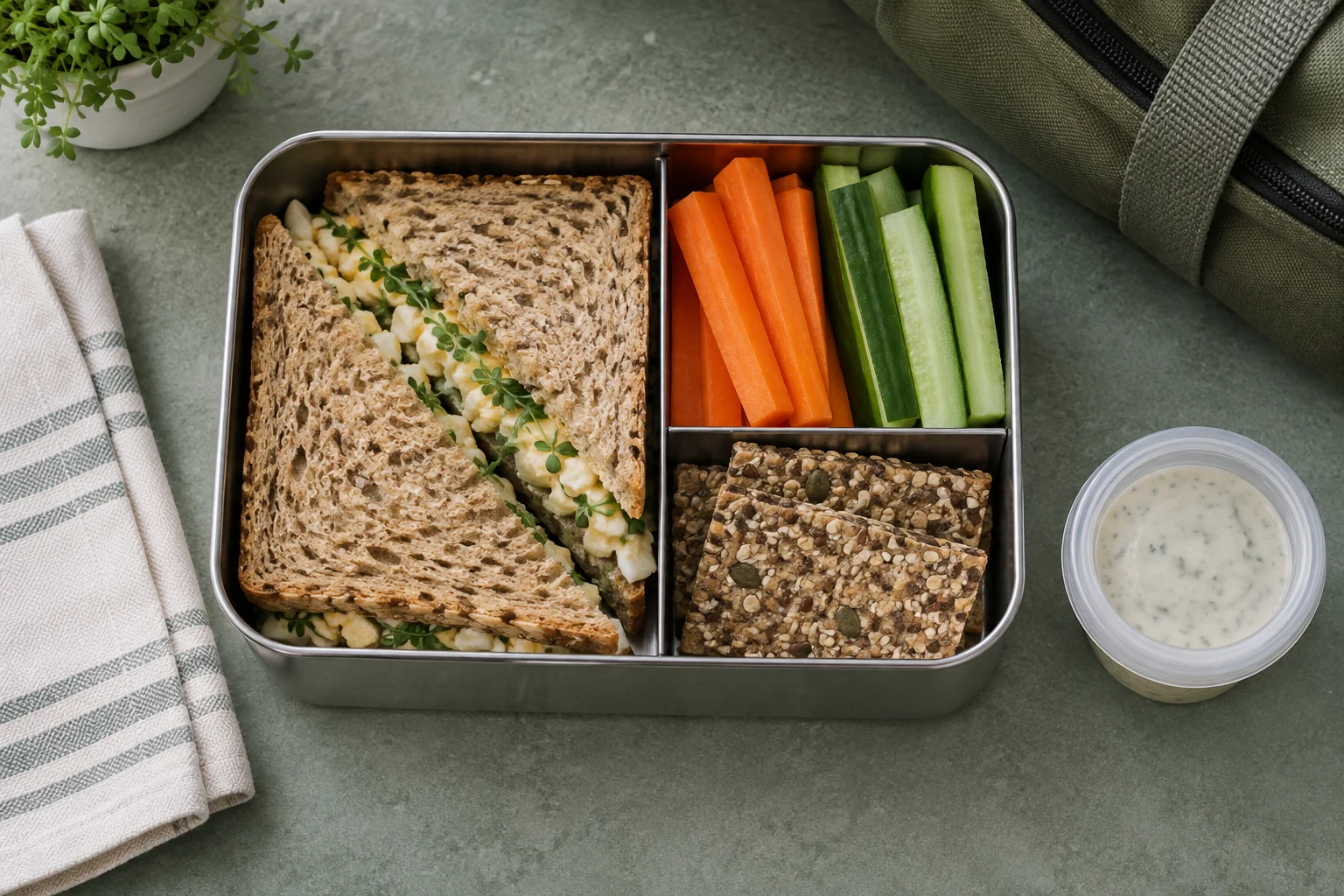
Fresh carrot, cucumber and pepper offer one type of texture. Wholegrain crackers or crispbread offer another. Seeds can be used as a small finishing ingredient, while a ready-to-eat pulse snack may suit a separate compartment.
Choose among them rather than expecting one food to cover every need. Variety can be as simple as alternating the vegetables you buy or changing the dip across the week.
Make a few combinations easy to repeat
Try using a familiar structure with different ingredients:
- Wholegrain crackers, hummus, pepper strips and a piece of fresh fruit.
- A cheese or bean sandwich with cucumber and a small portion of seeds on the side.
- A grain-and-lentil salad with vegetables, plus a separate crunchy topping.
- A wrap with a filling you enjoy, accompanied by carrot sticks and a yoghurt pot.
- Crispbread with egg or another suitable topping, with tomatoes served separately.
These are meal ideas rather than nutrient-matched menus. Adjust the food and amount to your needs. Check allergens in crackers, dips, fillings and toppings, and use alternatives that are suitable for you.
Pack wet and dry foods separately
If keeping a texture matters, store the crunchy element away from dressings, dips and cut produce that releases moisture. Add toppings just before eating.
A small reusable container can be enough; you do not need an elaborate set of matching boxes. Make sure it closes properly and is easy to clean.
For a salad, keep the dressing in a separate pot if that gives you a result you prefer. For crackers and dip, avoid spreading everything in advance unless you like the softer texture that develops.
Treat chilled ingredients as chilled food
A packet of crackers can travel differently from egg filling, yoghurt or a refrigerated dip. Plan storage around the foods that need chilling.
Food Standards Agency guidance recommends a fridge between 0 and 5°C and following storage instructions. If a fridge will not be available, choose suitable cold storage for the journey and the time before lunch.
Do not assume that adding a dry food makes the whole lunch suitable for a warm bag. Keep perishable ingredients cold and follow their dates and after-opening directions.
Prepare a little, rather than everything
You might wash and prepare a small amount of vegetables while making dinner, or put the empty lunch container somewhere visible as a reminder. Keep unopened crackers or other cupboard components together so they are easy to find.
The Food Standards Agency's cleaning advice covers washing produce and keeping preparation surfaces, hands and utensils clean.
If mornings are unpredictable, choose one backup lunch that requires little assembly. It could use cupboard ingredients plus a fresh item bought on the way. A backup is useful even if it is less elaborate than the lunch you originally imagined.
Use variety without creating waste
A single dip can work with several vegetables, and a packet of crackers can accompany more than one filling. Choose overlapping ingredients that you actually like.
Take note of what comes home uneaten. Perhaps the container is too large, a flavour is not appealing at lunchtime, or the food is awkward to eat at your desk. Adjust the practical problem rather than repeating the same unsatisfying plan.
The BDA's snack guidance encourages considering different food groups. That is a useful broad idea for lunch too: include a range of familiar foods, leave room for enjoyment and let crunch be one part of a meal that works for your day.

Questions about this article or a correction to suggest? Get in touch. Read more about our editorial approach.