Family food gets easier when healthy habits are ordinary, not impressive. Children do not need a perfect plate at every meal, a fridge full of specialist products, or adults who never serve fish fingers. What helps most is a home rhythm they can trust, regular meals, familiar foods alongside newer ones, enough water, enough sleep, and a calm tone around eating.
That is what healthy habits for kids usually look like in real life. Breakfast is not skipped and then replaced with biscuits in the car. Snacks are planned rather than drifting into constant grazing. Puddings are not put on a pedestal. Parents and carers decide what, when and where food is offered, and children decide whether to eat and how much from what is on offer. That simple split removes a surprising amount of daily friction.
What healthy habits for kids actually look like at home
At home, healthy habits are rarely dramatic. They are the repeated things that make food feel steady and manageable.
That might mean sitting down for most meals, even if one of them is beans on toast at the kitchen counter before football practice. It might mean offering fruit with breakfast, veg with tea, and something filling after school so children do not arrive at 6 pm ravenous and cross. It might mean keeping a water bottle within reach, having a rough bedtime routine, and not letting every snack happen in front of a screen.
The reason consistency matters more than perfection is simple. Children learn from repetition. If meals are unpredictable, if snacks appear at random, or if some foods are charged with excitement and others with tension, children often respond with fussiness, bargaining, or eating past fullness when they finally get the chance. A steady pattern helps appetite work properly. Hunger arrives, food appears, and the body learns what to expect.
Perfection, on the other hand, tends to make family food harder. It creates all-or-nothing thinking. One beige tea becomes a “bad day”, one birthday party becomes “too much sugar”, and one rejected vegetable can feel like failure. We do not need that. A child can eat a plain sandwich at lunch, cereal for supper after a long day, and still be building good habits if the overall week has structure and variety.
This is especially useful to remember in the UK, where school days, clubs, commutes and dark winter evenings can make family meals feel squeezed. Healthy routines need to survive ordinary Tuesdays, not just organised Sundays.
How to build a steady rhythm for meals and snacks
A regular eating pattern is one of the most practical ways to reduce food battles. Most children do well with three meals and one to three snacks, depending on age, activity and the spacing of the day. The exact times matter less than the predictability.
A simple rhythm might look like this:
Breakfast within a reasonable time of waking.
A mid-morning snack if needed, especially for younger children.
Lunch.
An after-school snack.
Tea.
A small supper snack sometimes, if tea was early or bedtime is later.
This pattern helps because children can trust that more food is coming. When they know a snack is not far away, they are less likely to plead for crisps every time they pass the cupboard. When tea happens at roughly the same time each day, they are less likely to arrive over-hungry and reject everything except white bread.
Regular meals also help with fussiness. A child who has grazed on crackers, juice and handfuls of cereal from 3 pm to 5 pm often has no appetite left for a proper meal. Then adults push, children resist, and tea becomes a stand-off. A planned after-school snack, something like toast with peanut butter, yoghurt with fruit, or a small savoury snack plus a banana, usually works better than an open-ended picking session. We have more ideas in our guide to after-school snacks that keep kids going till tea.
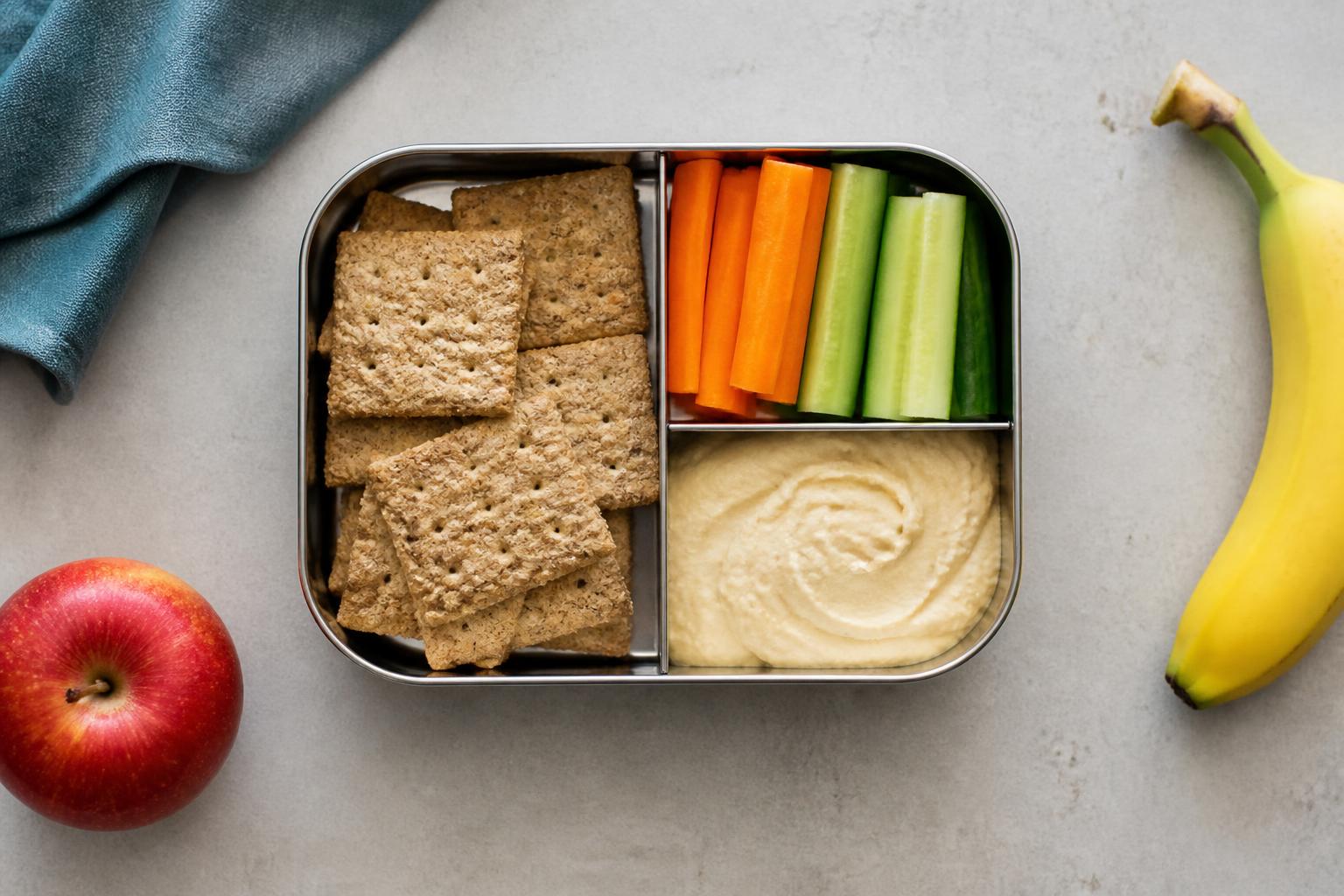
It also helps to make snacks “mini meals” rather than random fillers. Try to include at least two elements, such as:
Fruit and yoghurt
Crackers and cheese
Toast and fruit
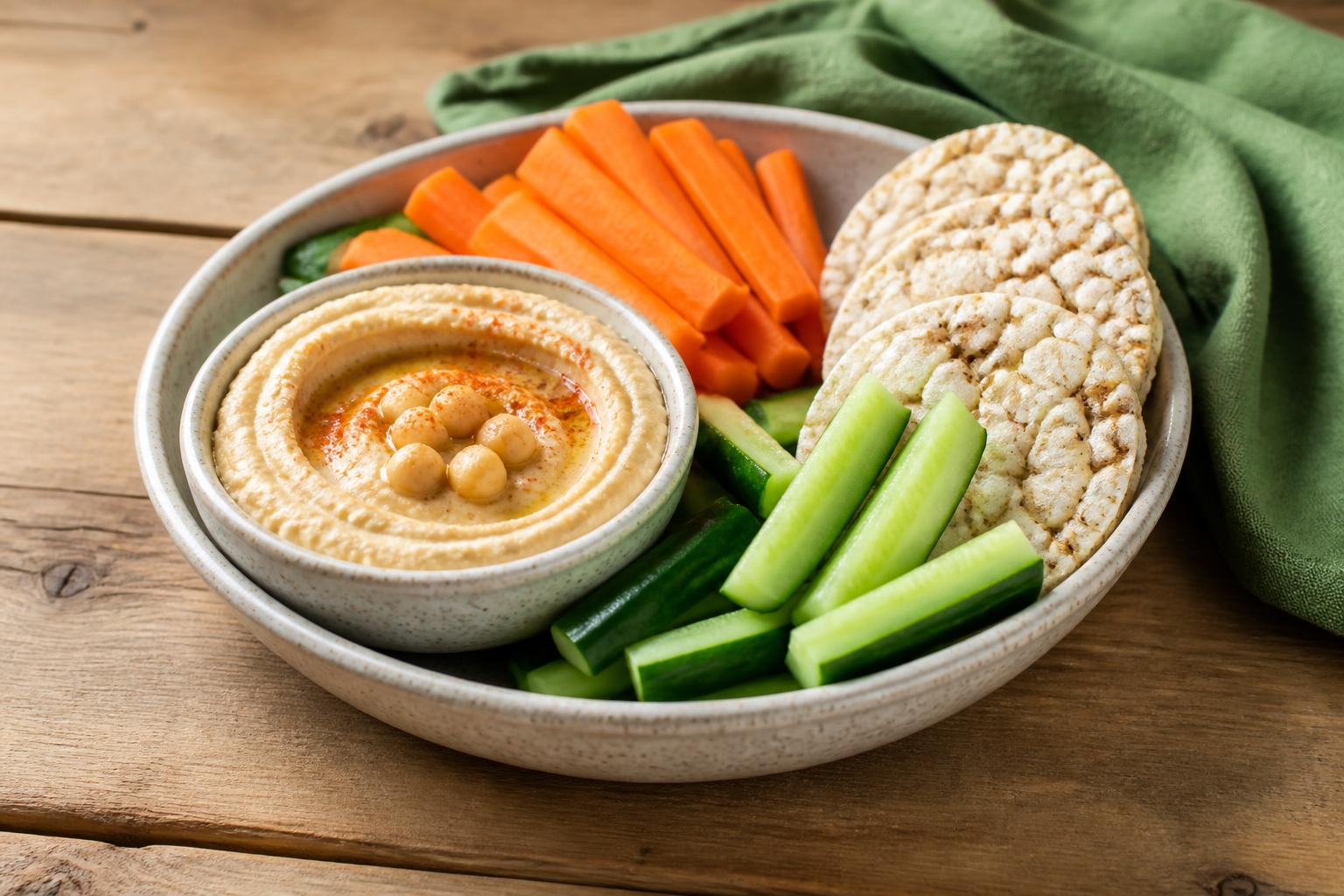
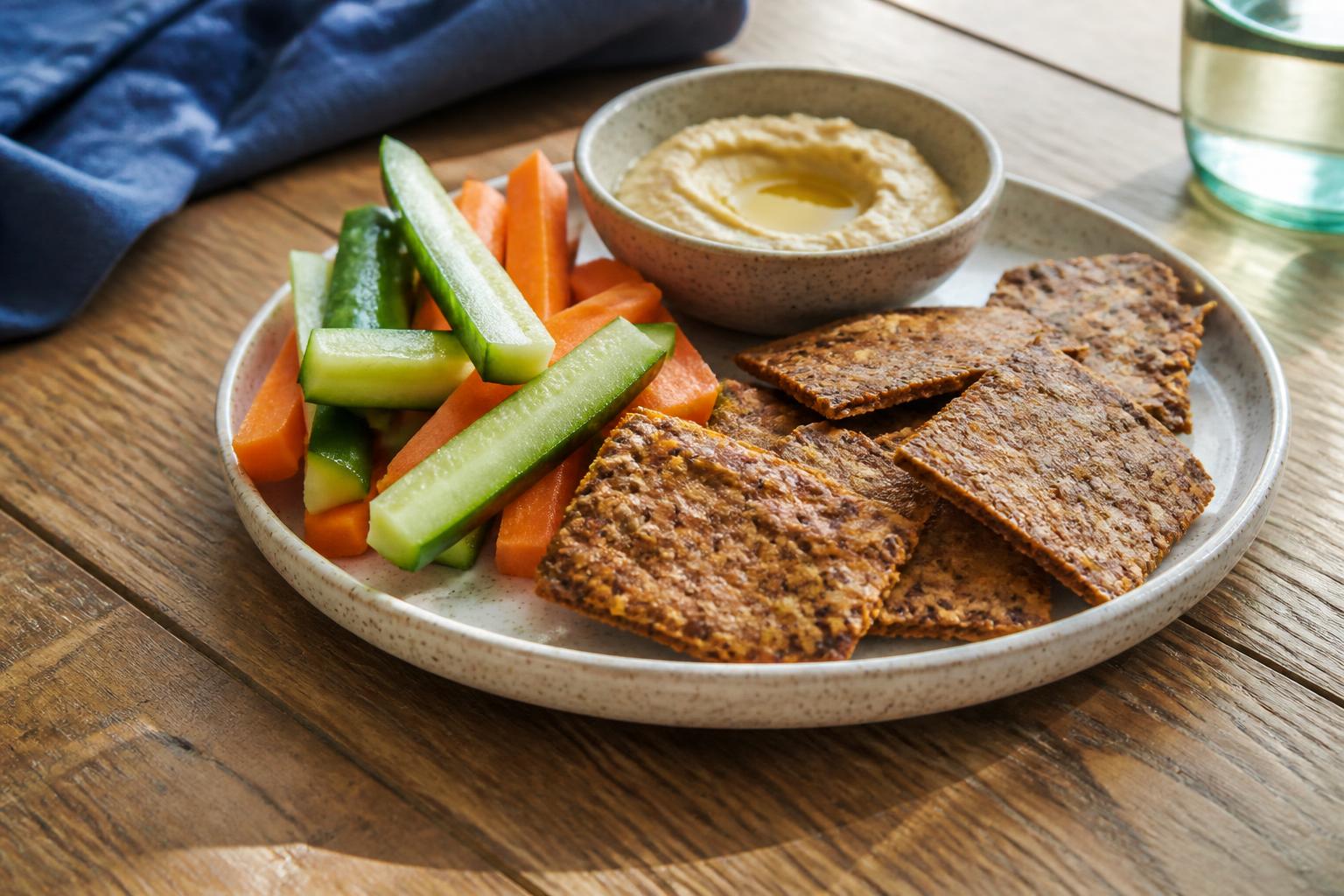
Vegetable sticks and hummus
A boiled egg and cherry tomatoes
This makes snacks more satisfying and less likely to lead straight into the next request for food.
For packed lunches and school days, regularity matters just as much. If lunch comes home untouched, the answer is not always to pack less. Sometimes it is to check whether breakfast was too late, whether the lunch break is rushed, or whether the child simply needs a more familiar format. Bento-style perfection is optional. Food that gets eaten is the point. Our piece on healthy school snacks that actually get eaten goes into the practical side of that.
A few rhythm-building habits make a big difference:
Keep meal and snack times broadly consistent.
Serve food at a table or one usual spot when possible.
Put the kitchen “to bed” between eating times, rather than allowing constant cupboard visits.
Give a five-minute warning before meals so children can shift from play.
Offer one safe food with meals if a child is wary, but do not become a short-order cook.
None of this needs military precision. It just needs enough shape that children are not eating by accident all day.
Which everyday foods help children practise balance
Balance is easier to build with familiar foods than with worthy ideas nobody wants to eat. Most families do not need a full nutritional overhaul. We usually need a better mix of what is already within reach.
Children practise balance when they regularly see a combination of carbohydrates for energy, protein or dairy alternatives for staying power, fruit and vegetables for fibre and micronutrients, and fats that add flavour and fullness. In British family food, that can look very ordinary.
Breakfast could be porridge with banana and peanut butter, or Weetabix with milk and berries, or eggs on toast with a glass of water. Lunch might be a sandwich, cucumber, fruit and yoghurt. Tea could be pasta with tomato sauce, peas and grated cheese, or jacket potato with beans and sweetcorn, or chicken, rice and broccoli. None of that is complicated, and none of it needs to be photogenic.
Fibre deserves a special mention because it quietly supports a lot of family food goals. It helps children feel satisfied, supports gut health, and often comes packaged with the foods we want to normalise anyway, fruit, vegetables, pulses, oats, wholegrains, potatoes with skins, nuts and seeds where age-appropriate and safe. In the UK, whole nuts are not suitable for very young children because of choking risk, but nut butters spread thinly can be a practical option for many families if there is no allergy concern.
Variety also matters, but it does not need to mean endless novelty. It can be as simple as rotating the fruit bowl, changing the shape of a starch, or serving raw and cooked veg in different ways. A child who dislikes steamed carrots may happily crunch carrot batons. A child who ignores a whole apple may finish sliced apple with cinnamon. Crispy textures, creamy textures, warm foods and cool foods all count as part of how children learn.
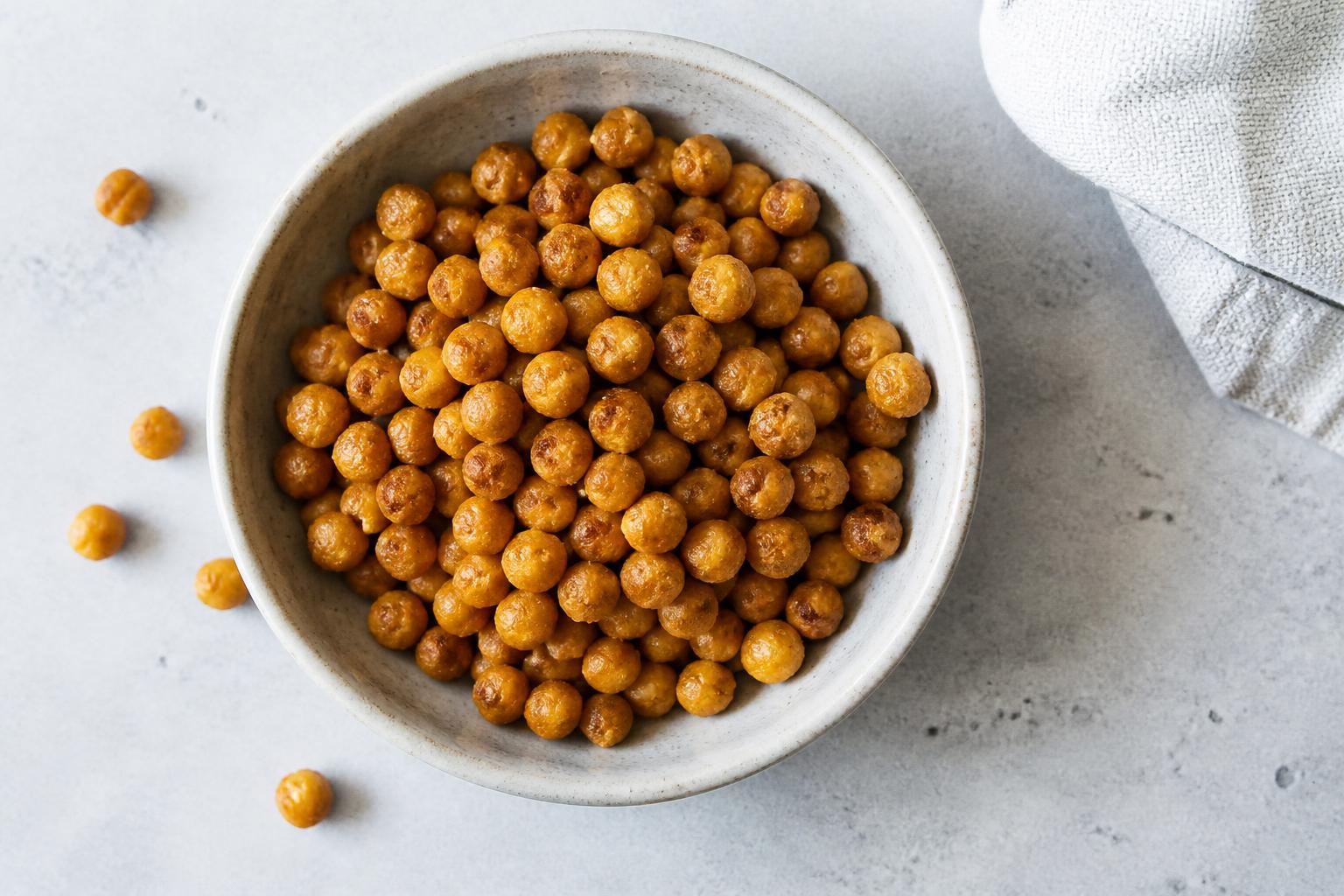
If snacks are part of daily life, which they usually are, they can support balance too. A crunchy option is not automatically a nutritional villain. It depends on what else is in the day and what role the snack is playing. Pairing a savoury crunchy snack with fruit, cheese, or a dip often turns it into a more rounded option. For more on practical choices, see our guides to healthy kids’ snacks that work on ordinary UK days and healthy savoury snacks that keep everyday choices simple.
A useful question at any meal or snack is not “Is this perfect?” but “What could make this a bit more filling, colourful, or varied?” Sometimes the answer is as small as adding cucumber to a sandwich plate or serving toast with fruit instead of on its own.
Why drinks, sleep and screens affect eating habits
Children’s eating habits are shaped by more than what is on the plate. Drinks, sleep and screens all have a direct effect on appetite, mood, concentration and mealtime behaviour.
Start with drinks. Water and milk are usually the mainstays for children. Sugary drinks can fill small stomachs quickly, which means less appetite for meals, and frequent sipping can keep the mouth constantly expecting sweetness. Even juice, though familiar and popular, is best treated thoughtfully rather than as an all-day drink. In the UK, advice is generally to keep fruit juice to small amounts and serve it with meals rather than letting it become a roaming bottle. Water between meals is usually the simplest option.
Hydration matters because children who are slightly thirsty can become irritable, tired or oddly snacky. Sometimes the “I’m hungry” at 4 pm is really a child who has had a busy school day and barely touched their water bottle. Offering a drink first, without making it a test, can help.
Sleep is just as important. A tired child often struggles with appetite regulation. Some children lose interest in food when exhausted, while others become intensely drawn to quick, familiar foods and react badly to any delay. We have all seen the late-afternoon crash where everything feels too loud, too slow and too green. Regular sleep routines help protect mealtimes from that spiral.
Bedtime habits influence mornings too. If children go to bed late, wake groggy and rush out the door, breakfast is often the first casualty. Then the whole day becomes harder. Hunger builds unevenly, concentration dips, and lunch can turn into a scramble for the easiest food rather than a calm chance to refuel.
Screens are the third piece. Eating in front of a screen is not a moral issue, and many families will do it sometimes. The problem is frequency and habit. Screens can distract children from hunger and fullness cues. They can make meals drag on for ages or disappear in five minutes with no awareness of what was eaten. They also reduce the back-and-forth conversation through which children often learn to tolerate new foods, watch adults eat, and settle into a routine.
Screen use outside mealtimes matters too. Fast-moving content close to meals can leave children overstimulated and less willing to pause for washing hands, sitting down and eating what is served. A short buffer before meals, even just ten minutes to switch off and reset, can improve the tone at the table.
How to encourage healthy habits without pressure
The most effective way to encourage good habits is to make them normal, visible and low-drama. Children notice what we do far more than what we lecture about.
That starts with modelling. If we sit down to eat, drink water, keep roughly regular meals and speak neutrally about food, children absorb that. If we constantly label foods as “good”, “bad”, “naughty” or “earned”, they absorb that too. A calmer approach helps food keep its proper place.
Involving children also helps, especially when the involvement is genuine and age-appropriate. Younger children can wash grapes, stir porridge, choose between two vegetables, or help put snack items on a plate. Older children can help write a shopping list, assemble lunchboxes, toast pitta, grate cheese, or portion out ingredients for the week. Ownership often softens resistance.
Language matters more than many people realise. Instead of “Eat three more bites and then you can have pudding”, try serving pudding occasionally as part of the meal, or simply saying, “This is what we have today.” Instead of “If you’re good, you can have a treat”, keep treats outside the reward system. Food works badly as both prize and punishment. It gives certain foods extra sparkle and turns eating into negotiation.
Pressure often backfires, especially with cautious eaters. Encouragement is fine. Repeated exposure is useful. Demanding that a child taste, finish, or praise a food usually creates the opposite effect. We can offer, include, and model. We do not need to perform a sales pitch for every pea.
A few practical ways to lower pressure are:
Serve small portions of less familiar foods.
Let children add a dip, sprinkle cheese, or choose between two sides.
Keep one predictable element at meals.
Avoid commenting too much on how much they have eaten.
Trust appetite to vary from day to day.
That last point matters. Children often eat in waves. More one day, less the next. Bigger breakfast, tiny tea. Endless pasta this week, indifference next week. Looking at the overall pattern is usually more helpful than judging a single meal.
Healthy habits for kids are easier to build when we think in routines rather than rules. A family does not need flawless menus. We need enough structure that children know when food is coming, enough variety that different foods keep appearing, and enough calm that eating does not become theatre.
When that happens, family food starts to feel less like a test and more like part of the day, warm toast, crunchy cucumber, a glass of water, a familiar plate at the right time. That is often where the healthiest habits begin.

Questions about this article or a correction to suggest? Get in touch. Read more about our editorial approach.