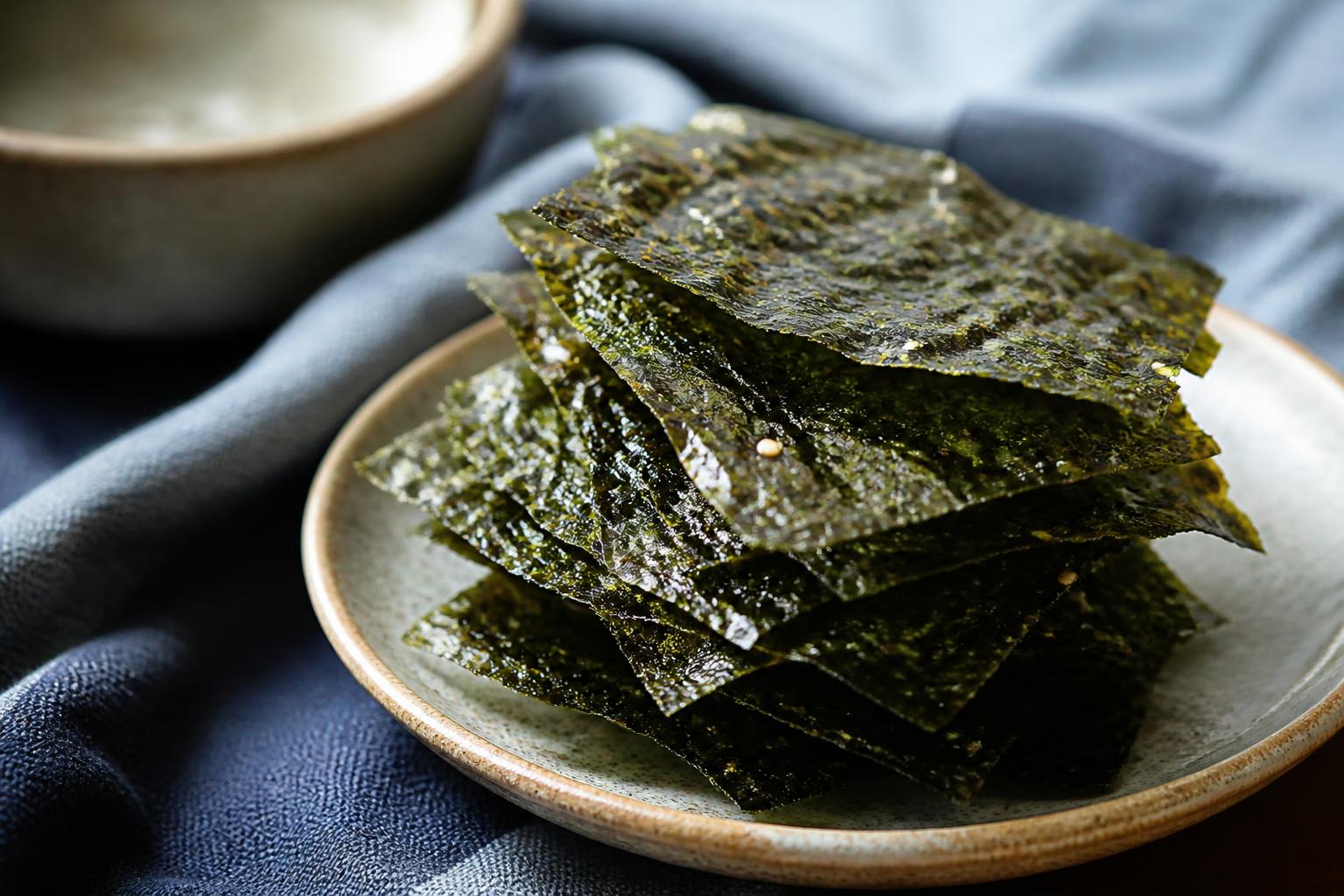
Crispy seaweed snacks are thin sheets or strips of edible seaweed that have been roasted or fried until they turn light, brittle and intensely savoury. They sit somewhere between a crisp and a condiment. You can eat them straight from the pack, crumble them over rice, or use them to add a salty, toasty snap to a quick lunch.
Their appeal is simple. They are neat, portable, strongly flavoured and usually sold in small portions, so they feel easy to fit into everyday snacking. The detail that matters is what is actually in the packet, because seaweed snacks vary quite a lot in oil, salt, seasoning, iodine and texture.
What crispy seaweed snacks actually are
Most seaweed snacks sold in the UK start with pressed sheets of edible seaweed, usually from the same broad family used for sushi wraps. The seaweed is dried, flattened into thin sheets and then seasoned and crisped. That is why the finished snack often looks like delicate paper with a glossy sheen rather than like a thick vegetable crisp.
The type most people recognise is nori. Nori has a clean, marine savouriness and a texture that becomes fragile and shattery once toasted. Some products use other seaweeds, or blends, but nori is the format many UK shoppers are most likely to see in multipacks and single-serve snack trays.
The reason the texture feels so light is partly down to structure. Seaweed sheets are naturally very thin and contain little bulk compared with potato, corn or pulses. Once moisture is driven off, there is not much left to chew through. Instead of a dense crunch, you get a dry, brittle snap that collapses quickly on the tongue. That is why a small packet can feel surprisingly flavourful without feeling heavy.
The savoury character comes from a mix of natural seaweed flavour and added seasoning. Seaweed already contains compounds that give an umami effect, so even plain versions can taste deeply savoury. Add a little oil, salt, sesame, chilli or wasabi flavouring, and the result can be punchier than the ingredient list first suggests.
This is also why crispy seaweed snacks do not behave exactly like vegetable crisps. They are thinner, more delicate and more sensitive to humidity. Leave a pack open, and the crispness can disappear quickly. Eat them fresh, and they can be airy and crackly in a way that feels quite different from a standard bag of crisps.
How they are made and why that changes the crunch
From a manufacturing point of view, the basic process is straightforward. A dried seaweed sheet is prepared, lightly coated or brushed with oil, seasoned, then crisped by roasting, baking or frying. The exact method makes a noticeable difference to the final bite.
Roasting tends to keep the texture dry, papery and brittle. A roasted sheet often feels feather-light, with a clean snap and a slightly toasted flavour. If the roasting is gentle and the oil level is low, the seaweed can taste quite delicate, with the seasoning doing most of the work.
Frying usually gives a richer, more forceful crunch. Oil penetrates more thoroughly, which can make the sheet feel a touch more substantial and more evenly crisp. It can also round out the flavour, making the snack taste fuller and more indulgent. That said, frying can tip quickly from crisp to greasy if the product is not well balanced.
The type and amount of oil matter more than many shoppers realise. A very light coating helps seasoning stick and improves crispness without weighing the sheet down. More oil can intensify flavour and reduce the dry, papery feel, but it can also make the snack seem heavier and more salty. Sesame oil, sunflower oil and rapeseed oil are all common enough in this category, and each brings a slightly different flavour profile.
Seasoning changes more than taste. Fine salt and powdered flavourings can draw moisture if the pack is not sealed well, which affects crunch over time. Sugar in some sweet-chilli style blends can slightly alter the finish too, making the surface feel less dry and more glazed. Spices such as chilli or kimchi-style flavourings can make a snack seem stronger and punchier even when the seaweed itself is very thin.
Packaging does a lot of hidden work here. Seaweed is quick to soften once it picks up moisture from the air, so many products come in foil-lined packs with a desiccant sachet. That little sachet is there for a reason. It helps preserve the dry environment that keeps the sheets crisp. If a seaweed snack seems stale or leathery, storage and sealing are often the culprit rather than the seaweed itself.
This is one reason texture varies so much between brands. Two products may both be called seaweed snacks, but one can be whisper-thin and almost melt away, while another is oilier, firmer and more crackly. The method, the oil level, the seasoning and the packaging all shape the crunch.
What to check on the packet before you buy
A quick look at the front of the pack is rarely enough with seaweed snacks. The portion is often small, the flavours can be concentrated, and the ingredient list tells you more than the branding does.
Start with the ingredients. If the list is short, you can usually see the basics immediately, seaweed, oil, salt and seasoning. That does not automatically make one product better than another, but it does help you understand what kind of snack you are buying. A plain roasted seaweed sheet is a different proposition from one coated in a more complex barbecue or teriyaki style seasoning.
Check the serving size as well as the values per 100g. This matters because seaweed snacks are often sold in packs of only a few grams. A packet can look nutritionally tiny or surprisingly salty depending on whether you read the per pack or per 100g column first. For practical snacking, per pack is usually the more useful number.
Salt is worth a proper glance. Because the snack is light and dry, the salt can taste stronger than the number first suggests. If you are comparing products, look for the salt figure rather than relying on taste cues like “lightly salted” or “sea salt”. Those descriptions are not a substitute for the nutrition panel.
Iodine is the nutrient that most often makes seaweed a little more complicated than other snacks. Seaweed naturally contains iodine, but the amount can vary by species and product. In the UK, labels do not always make iodine content easy to compare at a glance, and not every seaweed snack will provide a clear figure on the front. If iodine is something you monitor, for example because of thyroid advice from a clinician, it is worth checking whether the pack gives a declared amount or whether the brand offers more detail elsewhere.
Allergens are another practical check. Some seaweed snacks contain sesame, and many flavoured versions may include soy, wheat or crustacean-derived flavourings. If the product is made in a facility that handles common allergens, that may appear in the precautionary statement. For coeliac shoppers or anyone managing allergies, this matters more than whether the snack looks simple from the outside.
Storage details are not filler text. “Store in a cool, dry place” matters with seaweed because humidity ruins the crispness quickly. Once opened, many packs are best eaten straight away, especially the small single-serve ones. If you are buying a multipack for lunchboxes, it is useful to know whether each portion is individually sealed.
If you like comparing snack formats more broadly, our guide to healthy savoury snacks that keep everyday choices simple looks at the same label-reading habits across other cupboard staples.
Are crispy seaweed snacks healthy?
The honest answer is that they can fit well into a balanced diet, but they are not automatically “healthy” just because they are made from seaweed. The details matter, especially portion size, sodium and iodine.
One reason seaweed snacks get a healthy reputation is that they are usually low in calories per pack and visually quite light. That can be useful if you want a savoury snack that does not feel bulky. They can also offer some minerals and a strong savoury hit in a small portion. But small packets can create a health halo if we stop reading there.
Salt is the first limit. Some seaweed snacks are modestly seasoned, while others pack a lot of sodium into a tiny serving. Because the sheets are so thin, the flavour can feel intense very quickly. If you are already getting plenty of salty foods elsewhere in the day, seaweed snacks may not be the neutral little extra they seem.
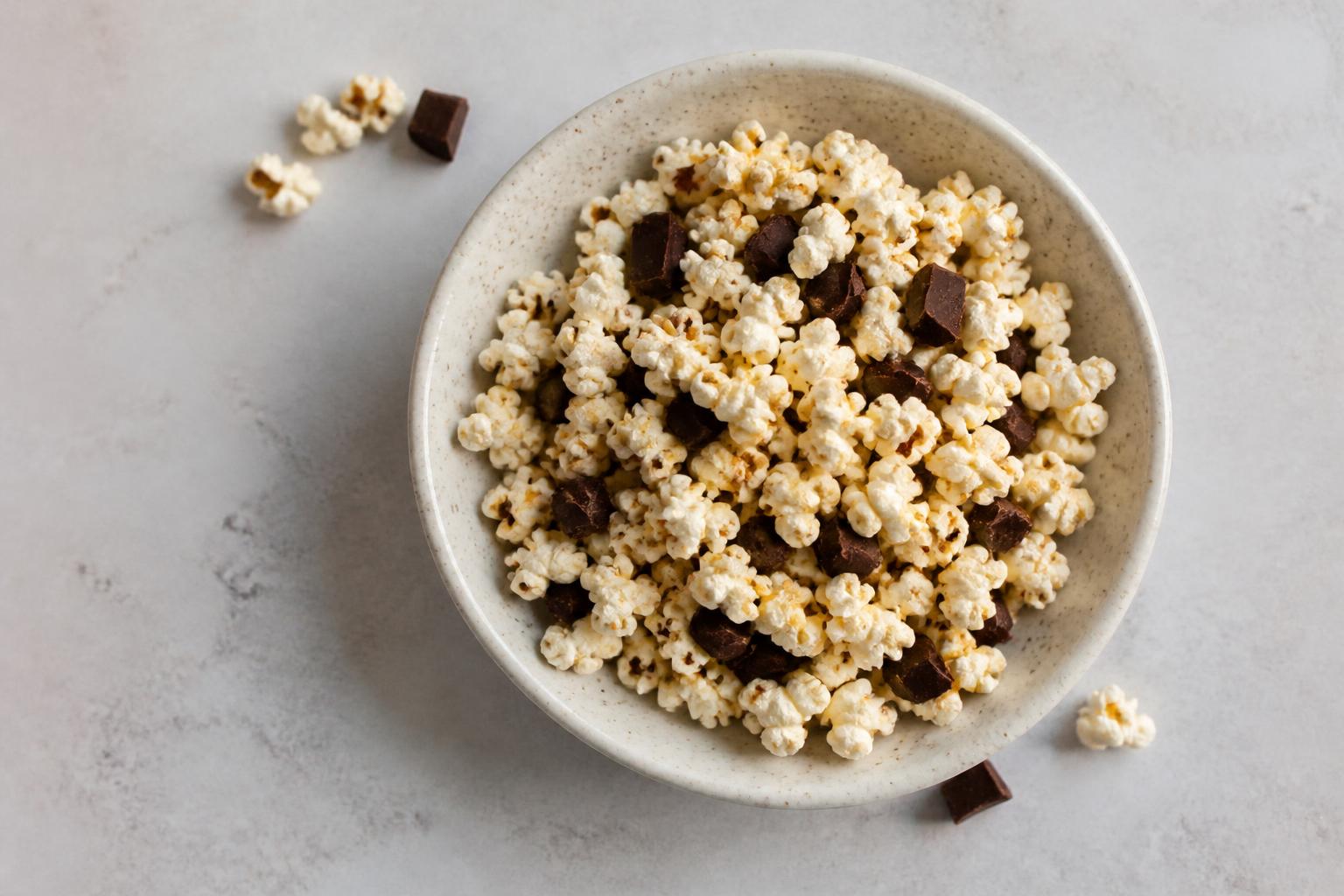
Iodine is the second limit, and it is the one that makes broad claims difficult. Iodine is an essential nutrient, and seaweed can be a source of it. But more is not always better, and seaweed products can vary. In practical terms, that means a seaweed snack is not something we would treat as nutritionally interchangeable with a bag of popcorn or roasted chickpeas. For most adults, an occasional packet is simply part of a mixed diet. For people who have been told to watch iodine intake, or who regularly eat several seaweed products, the label deserves more attention.
The UK position is also worth noting. Food labelling in the UK broadly follows familiar packaged food rules, but products sold here are not exactly the same as products sold in the EU generally, especially where reformulation, importer details or nutrition presentation differ after Brexit-era changes. If you buy the same brand in different markets, the seasoning, salt level or labelling detail may not match perfectly.
It is also easy to overstate what seaweed snacks can do nutritionally. A small packet is still a small packet. It may add crunch and flavour, and it may be a tidier option than some fried snacks, but it is not a stand-in for eating a varied range of vegetables, pulses, grains and protein foods. We find it more useful to think of seaweed snacks as one format among many, rather than as a miracle food.
That same caution applies to “natural”, “plant-based” or “gluten-free” cues. Those descriptions may be accurate, but they do not tell you everything about oil, salt, flavourings or how satisfying the snack will be. A product can be plant-based and still be heavily seasoned. It can be low in sugar and still be easy to overeat if you pair it with a very salty flavour profile. If that wider balancing act interests you, our piece on how to pick low-sugar snacks that still feel satisfying is a useful companion.
So, are crispy seaweed snacks healthy? Sometimes, in context, yes. They can be a handy savoury option, especially in sensible portions. But the answer depends on the exact product and on the rest of your day, not on the word “seaweed” alone.
How to eat crispy seaweed snacks beyond straight from the pack
The easiest way to use seaweed snacks is still the obvious one, straight from the pack, but they are more versatile than that. Because the flavour is concentrated, a little goes a long way.
With rice, they work almost like an instant garnish. Crumble a sheet over warm rice with cucumber, avocado, tinned salmon or a soft-boiled egg, and you get salt, umami and crunch without much effort. If you make packed lunches, you can keep the seaweed separate until you eat, so it stays crisp.
They also suit soups. A few torn pieces over miso-style soup, noodle broth or even a simple vegetable soup can add contrast in the same way croutons do, but with a lighter, more savoury finish. The key is to add them at the last minute so they do not soften too much before the bowl reaches the table.
For lunchboxes, seaweed snacks work best when treated as a dry extra rather than tucked beside damp foods. Pair them with rice cakes, sliced peppers, edamame, boiled eggs or a wrap, and they add a different kind of crunch from the usual crisp packet. If you are building a snacky lunch, they can help break up softer textures.
They are also useful in quick assembled snacks at home. Try breaking them over cottage cheese on toast, scattering them onto a grain bowl, or adding them to a plate of sliced cucumber and hummus. You do not need a full recipe for them to earn their place. They are often best when used like a finishing touch.
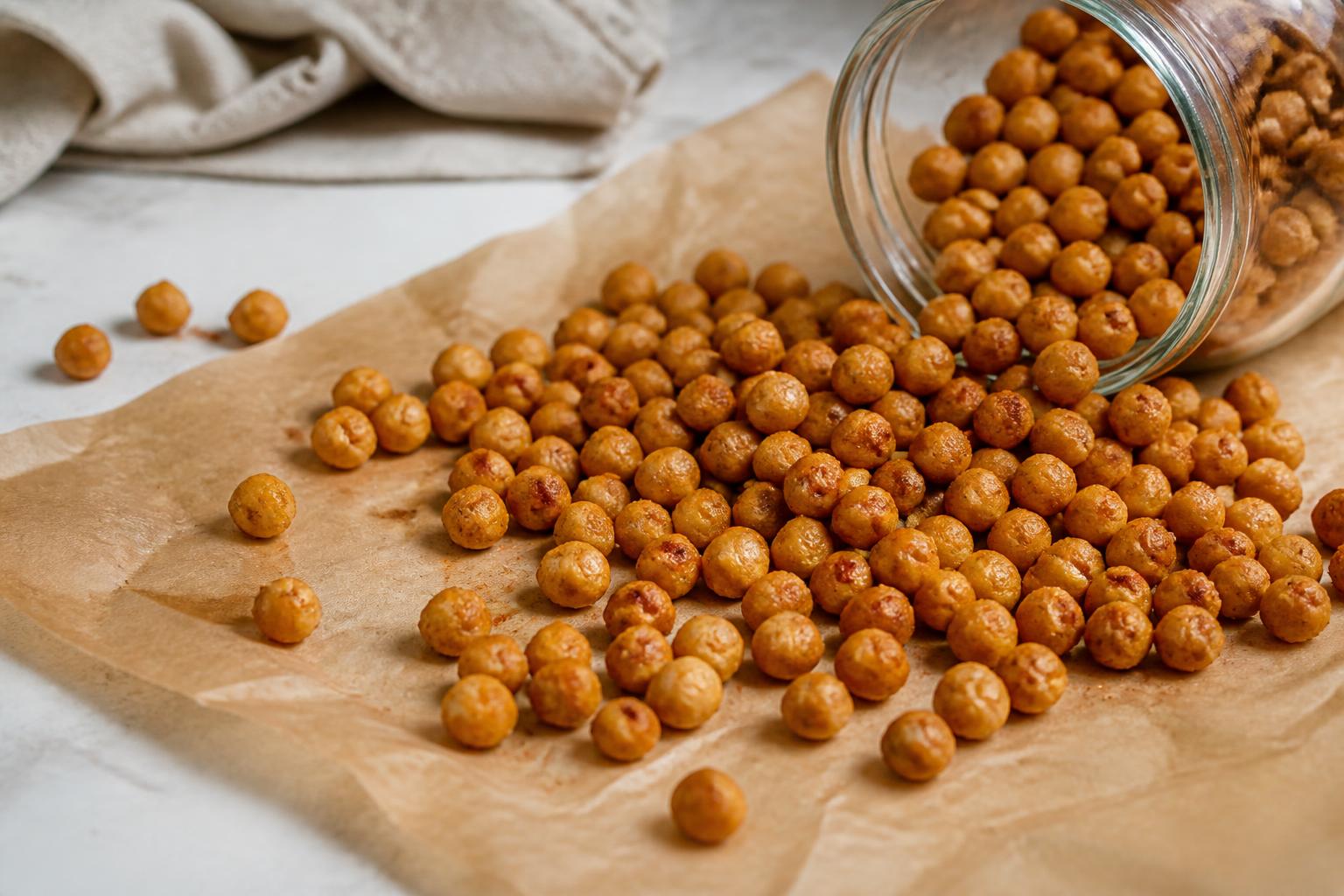
If you like a pub-snack style contrast of salty and crisp, seaweed can also sit alongside nuts, roasted broad beans or chickpeas. The textures are different enough to keep things interesting. For another savoury cupboard option, we have also covered why roasted chickpeas earn a place in everyday snacking.
One practical note, keep moisture in mind. Seaweed loses its crackle fast once exposed to steam, dressing or fridge air. If you are taking it to work, pack it sealed and add it just before eating. If you are using it at home, open only what you need.
That is really the charm of crispy seaweed snacks. They are not complicated, but they are distinctive. They bring a brittle crunch, a savoury edge and a bit of novelty to ordinary meals and snack breaks. Read the packet, keep an eye on salt and iodine, and use them where that dry, toasty snap will actually shine.

Questions about this article or a correction to suggest? Get in touch. Read more about our editorial approach.