A good snack purchase is one you know how to use and store. With dried fruit and vegetable products, the packet can tell you more than a shelf description about ingredients, serving information, dates and what to do after opening.
A few small habits make that information easier to use. You do not need to reorganise the entire kitchen; start with the foods you buy most often.
Buy for an occasion you can name
Before picking up a large pouch, think about how you will use it. Breakfast topping, lunch accompaniment, a shared snack bowl and a recipe ingredient are different purposes.
Consider whether you need intact pieces or whether smaller fragments will work. If you mainly sprinkle a product over meals, a few broken pieces may be unimportant. If you want to serve large slices with dip, the format matters more.
A first purchase can be modest. Trying one product at a time helps you work out what you enjoy and prevents several unfamiliar open packets accumulating together.
Check the information that changes the decision
Read the ingredient list, allergen information, preparation directions and storage instructions. Check the net weight rather than judging the amount by the size of the pouch.
If comparing products online, look for these details on the seller's page. A photograph of the front alone may not answer questions about ingredients or suitability. Ask the seller for missing information when it matters.
Government guidance on allergen labelling explains how allergens are identified. Do not assume a vegetable or fruit product is suitable for everyone simply because the main ingredient sounds straightforward.
Distinguish the printed date from opening instructions
The date and the after-opening directions answer different questions. A packet may have months left before its printed date and still tell you to use it within a much shorter time once opened.
GOV.UK explains food dates: use-by dates relate to safety; best-before dates relate to quality. Follow the appropriate date and the required storage conditions rather than treating every date as interchangeable.
If the manufacturer gives an after-opening period, note when you opened the pack. A small written date can be easier than relying on memory, especially when several similar packets are in use.
Keep the instructions if you decant
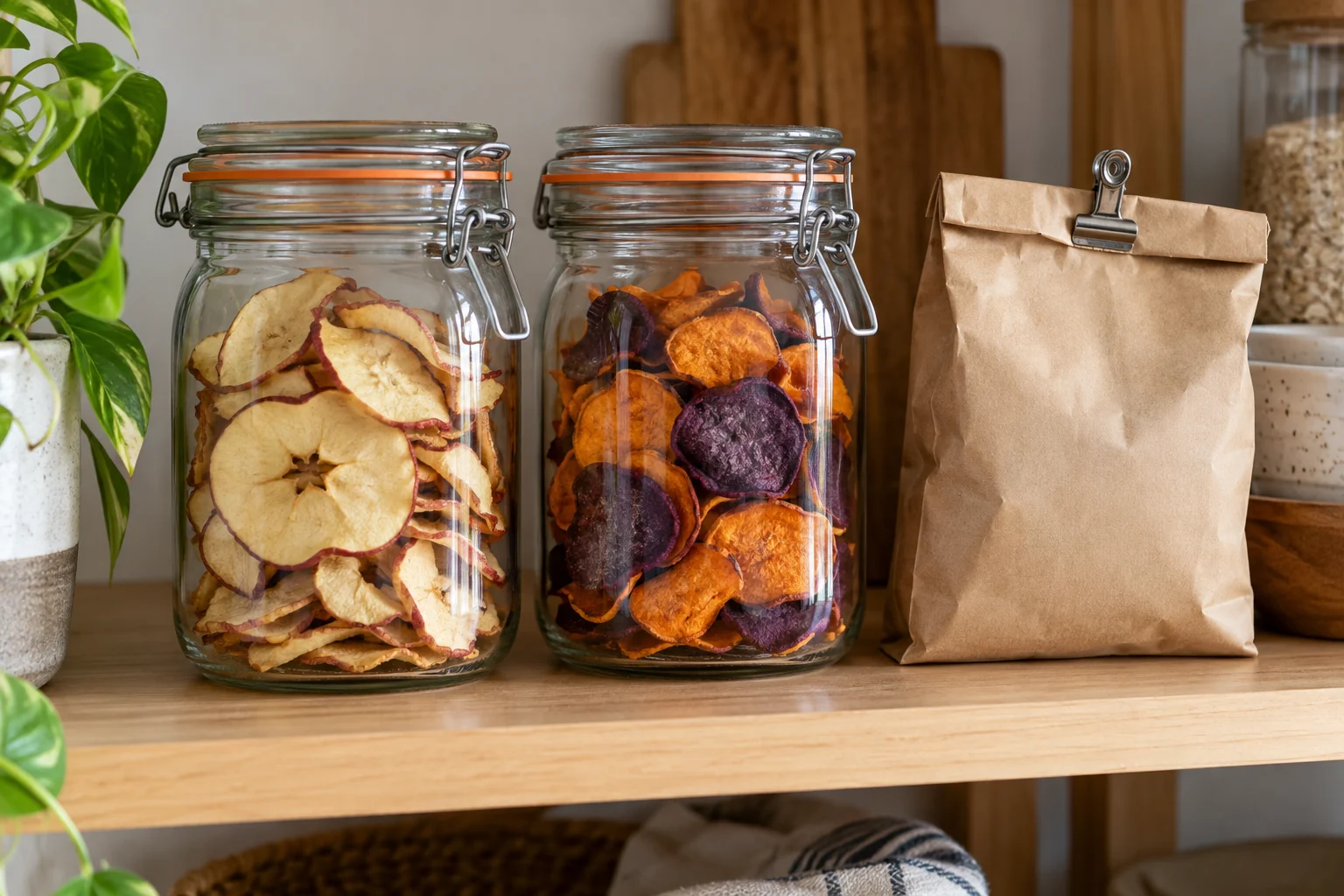
A clear jar can make a cupboard look organised, but it can also separate food from the information you need. Retain the label, including the product name, ingredients, date and batch details.
Use a clean, dry container appropriate for food and for the manufacturer's storage directions. Avoid topping up a container with a new batch before dealing with the old contents; otherwise it becomes difficult to know which date applies.
You can also leave the food in its original packaging inside a larger container. Choose whatever arrangement keeps both the food and its information easy to manage.
Close the pack as part of serving
Pour out what you want, then close the packaging according to its instructions. Keeping the bag beside a steaming pan while deciding on a topping is an avoidable way to expose it to moisture.
Use clean, dry utensils if you scoop from a packet. If you are serving chips with a dip, put some into a separate bowl rather than returning dipped or damp pieces to the original pack.
For a shared table, refill a small bowl as needed. It makes portioning flexible and means the entire pack does not have to sit open through the meal.
Reconsider storage when ingredients are combined
Once dried fruit is mixed into yoghurt, or vegetable pieces are stirred into a prepared dish, the needs of the other ingredients matter. The original dry product's instructions no longer describe the whole meal.
The Food Standards Agency's chilling guidance advises keeping a fridge between 0 and 5°C and following food storage instructions. Plan suitable cold storage for meals that need it.
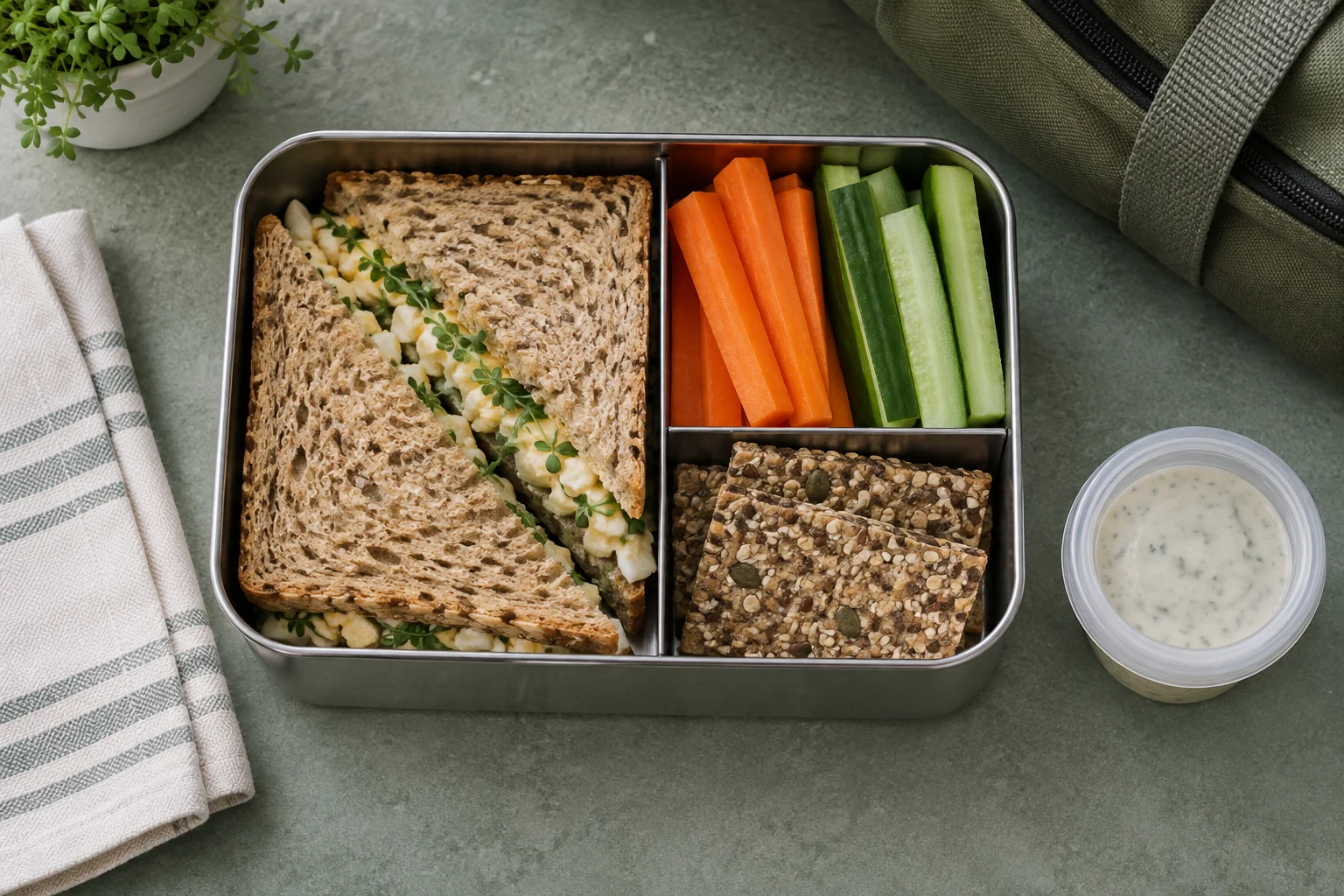
Packing a dried topping separately can be useful for both texture and organisation. Add it when you eat, while keeping the main dish stored as required.
Avoid inventing a universal shelf life
Different ingredients, drying processes, packaging and storage conditions lead to different products. There is no single number of months that this guide can safely assign to every dried snack.
The same applies to homemade food. A home-dried batch does not inherit the date on a commercial pouch, even if the pieces look similar. Use reliable, appropriate instructions for any home preservation.
If packaging is damaged or the food shows signs of deterioration, do not rely on the date alone. Contact the seller or manufacturer when you need product-specific advice.
A useful cupboard system keeps the next serving easy: you know what the product is, when it was opened and how it should be stored. That is more valuable than buying a larger pack than you can realistically use.

Questions about this article or a correction to suggest? Get in touch. Read more about our editorial approach.