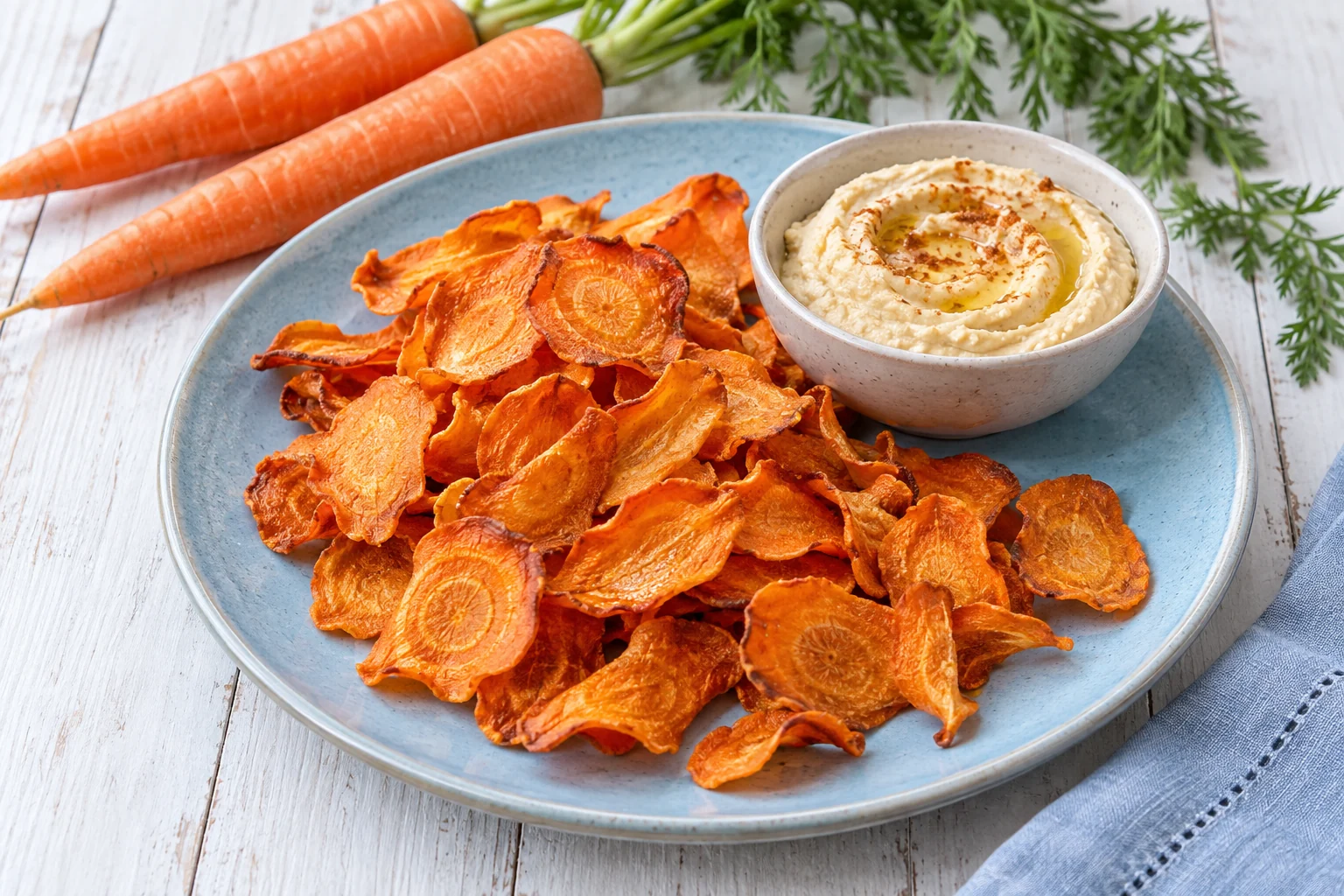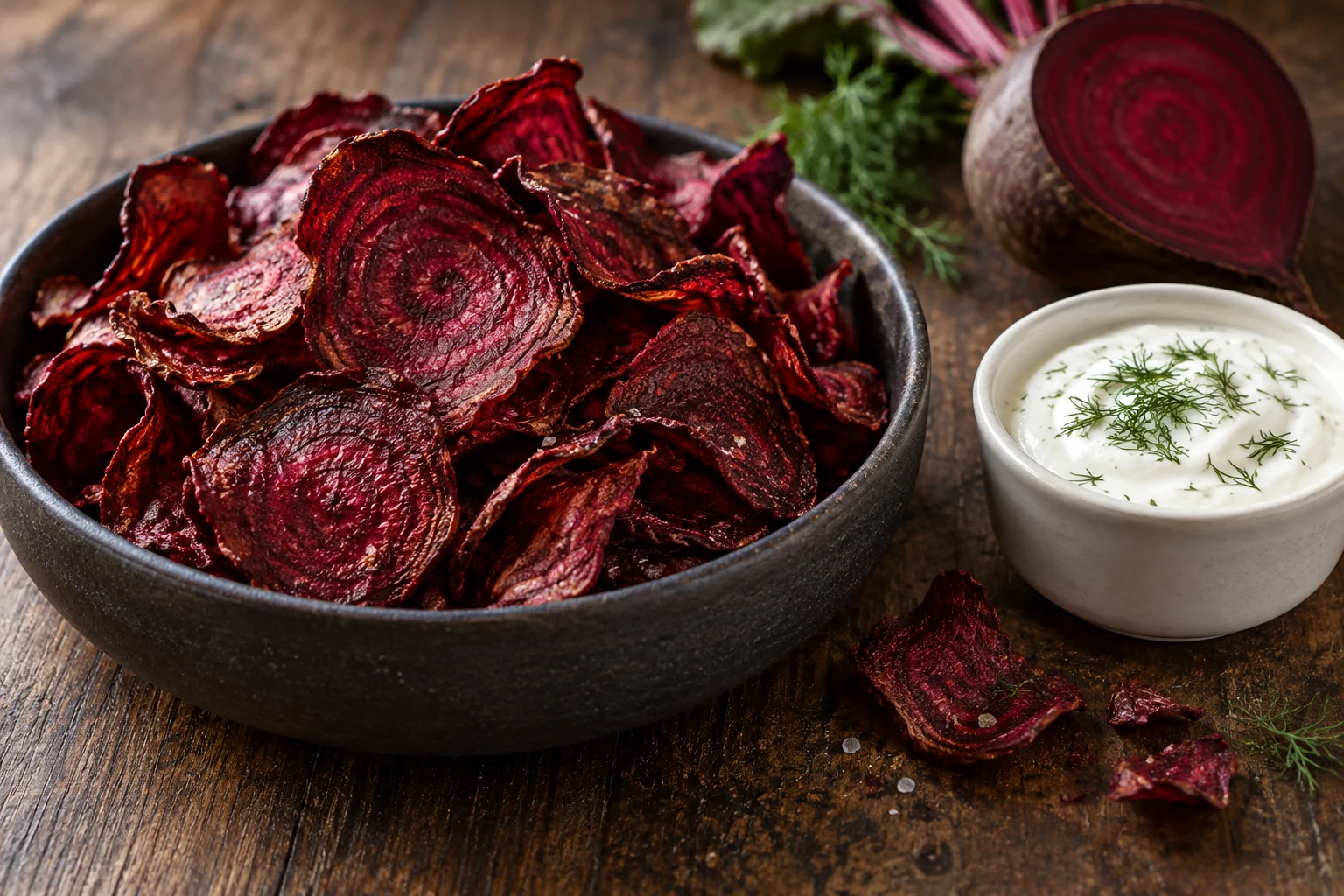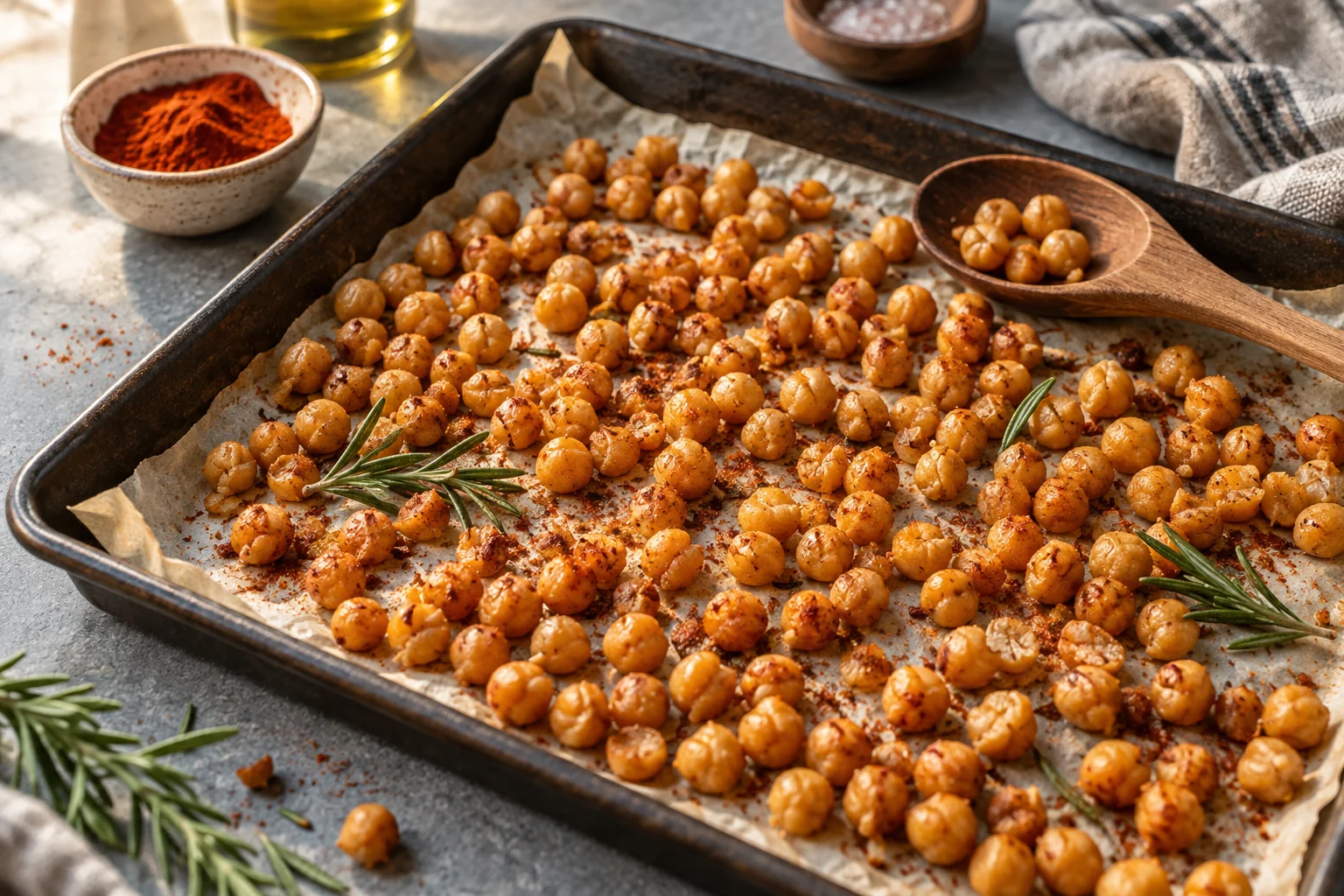
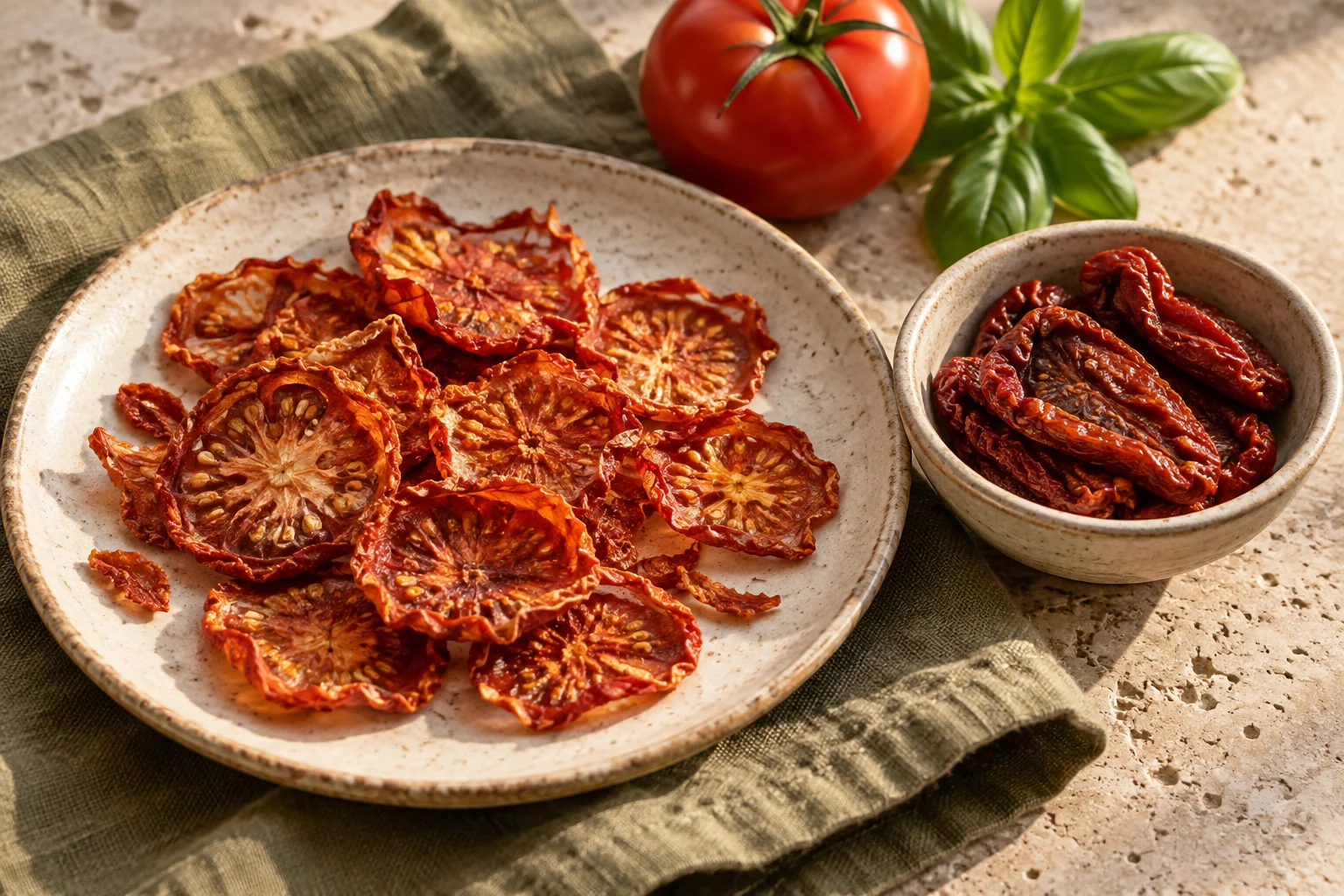
A crunchy tomato chip and a soft sun-dried tomato have different jobs in the kitchen. One may be a finishing crunch or a snack; the other may be an ingredient you chop into a sauce or sandwich.
The name on the front of a packet does not always make that distinction clear. Before buying, look at the format, ingredients and preparation instructions so the food matches what you have in mind.
Start with the texture you need
If you want a snack to eat directly from a bowl, look for a product explicitly sold as ready-to-eat tomato chips or crunchy dried tomato pieces. If you want a flexible ingredient for cooking, a softer dried tomato product may suit the recipe better.
Tomato-flavoured crisps are another category. They may be made primarily from potato, maize or another base with tomato in the seasoning. That can be enjoyable, but it is a different product from a piece of dried tomato.
For online purchases, look for a photo of the actual pieces and a clear description. If the information is vague, ask the seller rather than guessing from a serving suggestion.
Read the ingredients and instructions together
Check for added oil, salt, sweeteners or other seasonings if those affect your choice. A jar of tomatoes in oil is not interchangeable with a pouch of dry pieces, particularly when it comes to storage after opening.
Allergens can also appear in a seasoning or coating. The government's allergen guide explains ingredient-list highlighting and why a vegan description is not an allergen-free guarantee.
If you are preparing food for other people, keep the packaging available. A casual description such as tomato snack does not give someone with an allergy enough information to decide safely.
Use crunchy pieces where contrast matters
Try a few ready-to-eat tomato chips alongside a sandwich, on a savoury lunch plate or as a topping added to soup at the table.
A plain bean dip or a mild cheese can provide a useful contrast. Taste a seasoned product on its own before adding other strongly flavoured ingredients. You may prefer a simpler combination.
For a salad or grain bowl, add the pieces just before eating if you want to keep their distinct texture. Carry them separately from dressing when packing lunch. Small broken pieces can work as a topping, so a packet does not need to contain only perfect slices to be useful.
Use softer dried tomatoes as an ingredient
Follow the packet if soaking or another preparation step is required. For a ready-to-use product, try chopping a small amount into a bean mixture, pasta sauce or sandwich filling.
Start with less than you think you need, then taste the dish. Products vary in seasoning and intensity. A recipe that specifies a particular type of dried tomato may need adjusting if you substitute another.
Drain an oil-packed product as directed for the dish you are making. Keep in mind that leftover tomatoes in a jar still need the storage conditions and after-opening period on the label.
Think about the whole meal
A tomato ingredient can add a useful flavour, but it does not have to do every job on the plate. Bread, beans, vegetables and a topping can each contribute to a lunch in a different way.
Avoid assuming that a small decorative scattering of dried tomato represents the same amount as a serving of fresh tomatoes. Where portion claims matter to you, use the product's information rather than estimating from the packet image.
There is also no need to describe one snack as virtuous to enjoy it. Choose the style that fits your meal and tastes good to you.
Understand the storage difference
A dry sealed pouch, an opened pouch and a jar of tomatoes in oil have different storage requirements. Keep the original instructions and follow them after opening.
Government guidance on food dates distinguishes use-by dates, which concern safety, from best-before dates, which concern quality. Neither removes the need to store the food correctly.
Do not copy an unopened product's shelf life onto a homemade version. If you are making tomato chips or drying tomatoes at home, use a reliable method intended for your equipment. This guide does not provide a preservation process or instructions for keeping homemade tomatoes in oil.
Buy for a realistic first use
Before trying a new packet, choose one meal where you will use it. That might be a sandwich lunch with crunchy pieces on the side, or a pasta dish using softer chopped tomatoes.
Check that the pack size and opening instructions fit your plan. A small initial purchase lets you learn whether you like the format without committing to a cupboard full of it.
Once you know how you want to use it, the choice becomes simpler: select the texture, ingredients and storage format that match that purpose.

Questions about this article or a correction to suggest? Get in touch. Read more about our editorial approach.